


Tooth staining affects the overall appearance, and dental hygiene, and is a prevalent problem in dentistry. Stains can arise from the accumulation of plaque and calculus, unhealthy diets, and flaws in the enamel according to the American Dental Association (ADA). Therefore, teeth stain remover is essential as it is not only for cosmetic improvement, but it is also crucial for the long-term health of the oral cavity and teeth.
Clinical Causes of Teeth Stains
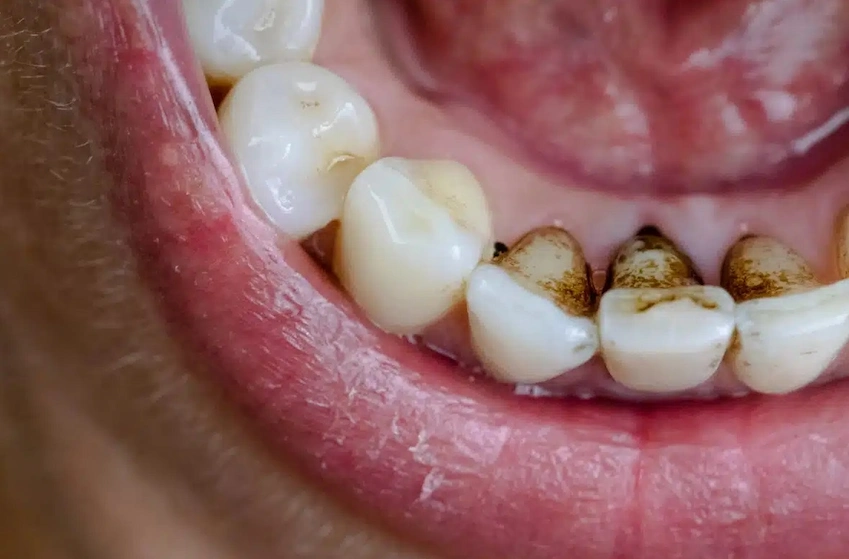
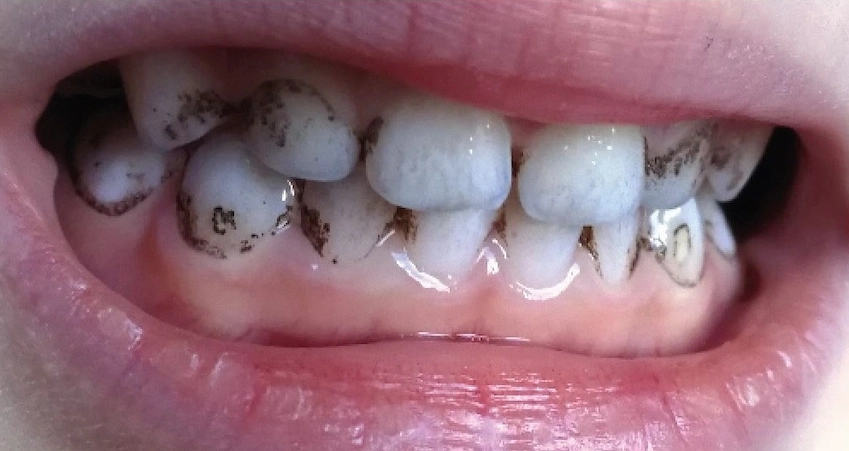
- Extrinsic stains: Common foods and drinks such as coffee, tea, and red wine along with smoking can discolor the enamel of teeth as well as poor dental cleaning and gingivitis.
- Intrinsic stains: These stains occur on a deeper level in the dentin or even within the enamel and can be due to the normal aging process, excessive fluorides, tetracycline medications, or necrosis of the pulp that is the innermost end of teeth.
- Developmental factors: Conditions such as hypomineralization and enamel hypoplasia can create uneven or unusual coloring of teeth.
The type of the stain plays a critical role and thus it is important to carry out a proper diagnosis before the actual whitening treatment can commence. The identification of the cause will determine the most effective course of treatment and to help in extrusion of the underlying causes.
Evidence-Based Teeth Stain Remover Options
- Whitening toothpaste: ADA-approved toothpaste; safe and effective for daily use. It remains the best option; however, it contains silica abrasives and calcium carbonate that cannot be reactive to plaques due to their RDA of less than 250.
- Whitening strips/gels: Patients can try purchasing or, in most cases, getting a dentist-approved product using 3%-10% hydrogen peroxide or carbamide peroxide materials if discoloration is just a little.
- Baking soda: Clinically proven negative stain removal agent, dentists recommend this material for its high pH level of 8 or 9 that can cancel acidic foods thus making patients never have discoloration teeth once more.
- Activated charcoal: This is a product that attracts some dirt and bacteria that cause discoloration to the parts of the teeth that are exposed. It is mainly used with caution as the scientific evidence on its effectiveness in teeth whitening is limited, and if overused, might lead to excessive abrasiveness damaging the enamel.
- Scaling and prophylaxis: These are the procedures that are carried out by dentists in order to help in the removal of any other extrinsic stains such as red wine, coal tar, mucus, calculus, and plaque biofilm, which if left untreated can significantly affect oral hygiene, and the above-mentioned methods are effective.
- Air polishing: This is the process of sub-throwing either glycine or erythritol powders for cleaning the enamel without affecting them. This is effective in cleaning the enamel but it should be noted that this method should not be used arbitrarily as it can result in the wearing of such a dental enamel.
- In-office bleaching: This is the process of the dentist applying the hydrogen peroxide of concentrations of 25% to 40% in the bleaching process while ensuring that the gingiva is well protected from the effects of these agents. This method is one of the dentists’ best methods of whitening the teeth of patients in order to help in improvement of the overall quality of people’s lives.
- Laser-assisted whitening: This is an innovative method of whitening the teeth, which involves adding an acceptable aqueous film-forming varnish to the enamel during the use of laser. It is worth noting that this product is not intended for patients who have resistant whitening problems as well as patients who need some chemical in their system.
- Abrasive polishing: It can be used in the cases of extrinsic stains and biofilms on the surface of the teeth and it is likely the simplest method of teeth whitening.
- Oxidative bleaching: The ability of the bleaching agent hydrogen peroxide is to penetrate the prisms of the enamel and oxidize the molecules that are responsible for the discoloration of the teeth. A professional concentration of hydrogen peroxide of 25-Long-Term.
Teeth Stain Remover Prevention
Teeth stain remover can be brushing your teeth twice a day using a fluoridated toothpaste is an effective method to aid in the remineralization of the teeth and recovery of their natural shine. Brushing your teeth is not enough; therefore, flossing should be incorporated into your daily routine to break up and remove plaque that could lead to further decay.
It is the best practice to teach your child to floss his or her teeth at a young age so that it can be a lifelong activity that can successfully help prevent experienced issues.With so many people currently smoking worldwide and the people looking for better and more affordable beverages, the need to reduce both these problems cannot be overstated.
The risks to oral health related to these are beyond comparison with other health problems; thus, the more people smoke, the more likely they are to be disadvantaged in this area of oral health and prevention system.
Another good natural way of teeth stain remover and consequently improving oral health is the use of a straw while taking hot beverages like coffee or tea. You may want to suck on the straws in order to minimize the chances of having teeth stay stained and allow dark beverages to get into the mouth causing them to stain. If it is not possible to eliminate the intake of such beverages completely then it is essential to use this straws method as much as possible for prevention.
Frequent dental checkups that have a professional trained cleaning by a dental hygienist hold a position of significance in maintaining teeth’s activities and muscle tone through cleaning, polishing, and much more.
These tooth cleaning will help to provide a healthy mouth and shiny teeth; however, they will still be able to help in examining and removing stains that might have collected over the last six months that were created by the consumption of staining products or are as a result of poor brushing and flossing. To avoid this, regular professional dental cleaning should be done biennially to keep our teeth looking clean and free from possible stains.
FAQ
The use of teeth whitening products that have received approval from the ADA is guaranteed to be safe, provided they are used in accordance with the instructions given on the labels. However, do not overuse the abrasive products or undergo uncontrolled bleaching for they have the potential for enamel and gum.
Dentists must take into account a variety of factors to ensure the safety and satisfaction of their patients. The work of the American Dental Association through its Council on Scientific Affairs has outlined the many
Brushing your teeth is not enough; therefore, flossing should be incorporated into your daily routine to break up and remove plaque that could lead to further decay. It is the best practice to teach your child to floss his or her teeth at a young age so that it can be a lifelong activity that can successfully help prevent experienced issues.
With so many people currently smoking worldwide and the people looking for better and more affordable beverages, the need to reduce both these problems cannot be overstated.
Another good natural way of preventing tooth stains and consequently improving oral health is the use of a straw while taking hot beverages like coffee or tea. You may want to suck on the straws in order to minimize the chances of having teeth stay stained and allow dark beverages to get into the mouth causing them to stain.
References
- Joiner, A. (2006). The bleaching of teeth: A review of the literature. Journal of Dentistry, 34(7), 412–419. https://doi.org/10.1016/j.jdent.2006.02.002
- Carey, C. M. (2014). Tooth whitening: What we now know. Journal of Evidence-Based Dental Practice, 14, 70–76. https://doi.org/10.1016/j.jebdp.2014.02.006
- Kwon, S. R., & Wertz, P. W. (2015). Review of the mechanism of tooth whitening. Journal of Esthetic and Restorative Dentistry, 27(5), 240–257. https://doi.org/10.1111/jerd.12152

