

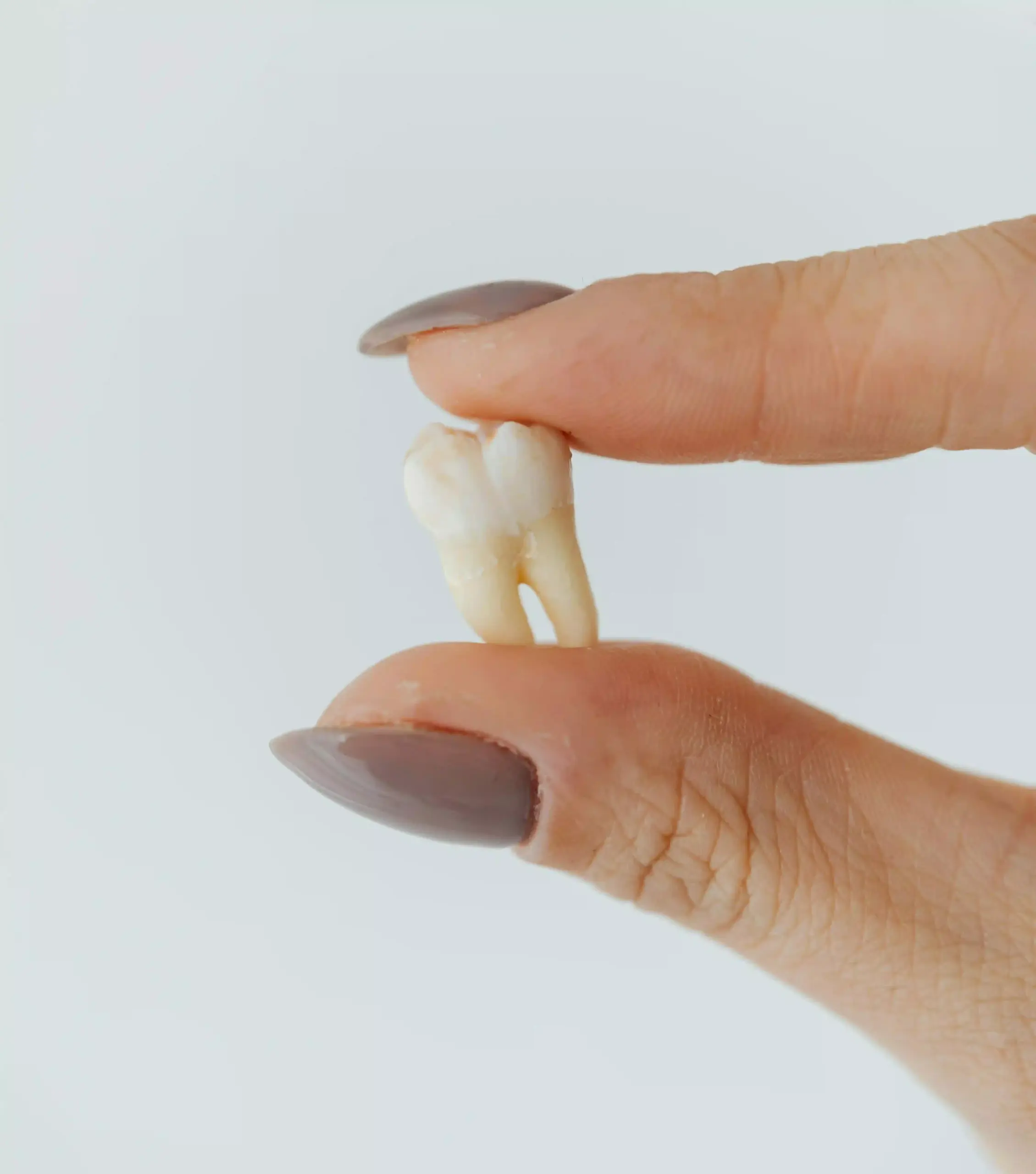
Hoe lang duurt een verstandskiesextractie werkelijk?
Het verwijderen van verstandskiezen duurt meestal 20–60 minuten, afhankelijk van de positie van de tand en de complexiteit van het geval.
Aangezien tandheelkundige ingreep zelfs de dapperste persoon ongemakkelijk kan maken, vragen de meeste patiënten zich als eerste af of de operatie kort zal zijn of niet. Dit verschil bij patiënten is heel gewoon voor ons in een tandheelkundige kliniek. Sommige gevallen vereisen een operatie die zo snel is voltooid dat men bijna tot tien zou kunnen tellen terwijl men naar een korte film kijkt. Andere procedures moeten echter zorgvuldig worden uitgevoerd; daarom duren ze langer. Bij Lema Dental Clinic in Turkije richten we ons op het snel en veilig uitvoeren van operaties; de duur van de operatie zal echter uiteindelijk afhangen van de vorm van uw kaak.De Verborgen Vorm: Waarom de Operatieduur Varieert
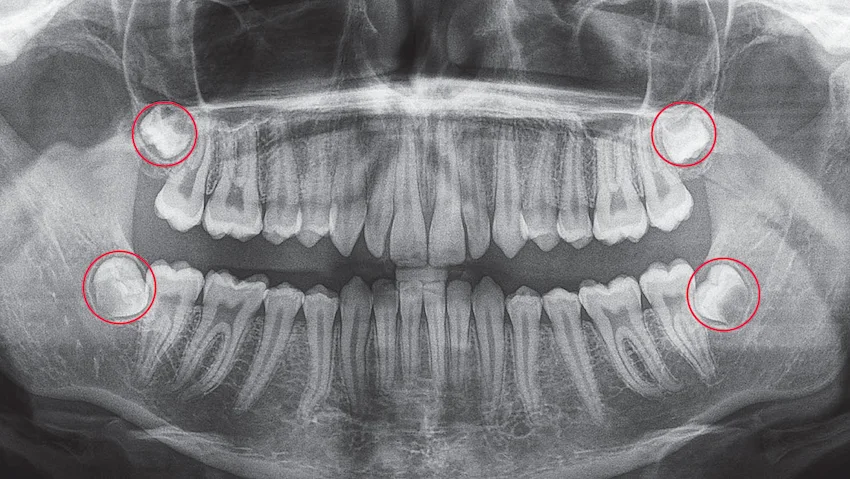
Occlusale Positie van de Verstandskies
Occlusie is een van de factoren waarmee tandartsen zoals Dr. Polen Akkılıç rekening moeten houden voordat u met uw tandheelkundige behandeling begint. Ze maken een röntgenscan en beslissen vervolgens welk type behandeling het zal zijn:- Volledig doorgebroken: Dit type is vrij eenvoudig, aangezien de hele tand door het tandvlees is gebroken.
- Gedeeltelijk geïmpacteerd: De tand kan zichtbaar zijn, maar is half begraven en zit vaak in een zeer ongemakkelijke hoek vast.
- Volledig geïmpacteerde tand (in bot): Als een tand volledig vastzit in het kaakbot, moeten tandartsen voorzichtig een deel van het bot verwijderen totdat ze de tand zien. In zo'n geval zijn bottransplantatie en een tandheelkundig implantaat de meest waarschijnlijke oplossing.
Geschatte Operatieduur
Ter verduidelijking, laten we de volgende voorbeelden bekijken, ervan uitgaande dat u na de verdoving volledig verdoofd bent.| Tandposities | Tijd (per tand) | Totale operatieduur |
| Volledig doorgebroken tanden | 3 tot 5 minuten | 20 tot 30 minuten |
| Gedeeltelijk geïmpacteerde tanden | 10 tot 20 minuten | Ongeveer 40 minuten |
| Tanden volledig geblokkeerd door bot | 15 tot 30 minuten of meer | Meer dan een uur |
De Chirurgische Ervaring in Turkije

Veelgestelde Vragen
Academische Referenties
- Bouloux, G. F., Steed, M. B., & Perciaccante, V. J. (2007). Complications of third molar surgery. Oral and Maxillofacial Surgery Clinics of North America, 19(1), 117-128.
- Coulthard, P., Bailey, E., Esposito, M., Furness, S., Renton, T. F., & Worthington, H. V. (2014). Surgical techniques for the removal of mandibular wisdom teeth. Cochrane Database of Systematic Reviews, (7).
- Dodson, T. B., & Susarla, S. M. (2014). Impacted wisdom teeth. BMJ Clinical Evidence, 2014, 1302.
- Haug, R. H., Perrott, D. H., Gonzalez, M. L., & Talwar, R. M. (2005). The American Association of Oral and Maxillofacial Surgeons age-related third molar study. Journal of Oral and Maxillofacial Surgery, 63(8), 1106-1114.
- Renton, T., & McGurk, M. (2001). Evaluation of factors predictive of lingual nerve injury in third molar surgery. British Journal of Oral and Maxillofacial Surgery, 39(6), 423-428.
Veelgestelde vragen
Do I have to take the whole day off for the surgery?
That would be great. If you leave the surgery in about 40 minutes, you are still going to feel the numbness as well as have somewhat dull vision. We recommend that you not go back to work directly but spend the rest of the day recovering, for example, by resting on the couch with ice application.
How long will my mouth be numb?
Achieving complete numbing is one thing; returning to one's normal condition is an entirely different process. Your numbness from the anesthetic will last for approximately 4 hours so that you can comfortably talk to the dentist when you return to the clinic for your regular follow-up after the anesthesia wears off completely. That's why dentists recommend a pill in the patient's hand and tell the patient to take the first one as soon as they feel numb, because that will help relieve the pain once the numbness disappears.
Will I be conscious the entire duration of the surgery?
This decision entirely rests with the patient, who can opt for either having a local anesthetic or sedation. Local anesthesia ensures that you remain awake, but you may feel your mouth as you do so, although all movements to your mouth are painless. Sedation is available, and we provide it only when a patient requests it, as it helps the patient relax and sleep during the procedure if that is the case.
What is the procedure if the tooth is lying very close to an important nerve?
To prevent such problems, we use a 3D scan, which is the only way to see exactly where each tooth is positioned relative to the important nerves. This is done for a short time after the surgery only if the roots contact the nerve. We move very carefully so that no pressure is applied to the nerve. In addition, by dividing the tooth into pieces, we can reach the nerve and still remove the entire tooth.
Approximately, how long will a wound take to heal?
You can get an appointment in no time, and the actual time for your jawbone to fill the gaps is 3-6 months. You will know the result of the operation only after the first X-ray, which you will get after three or six weeks.