

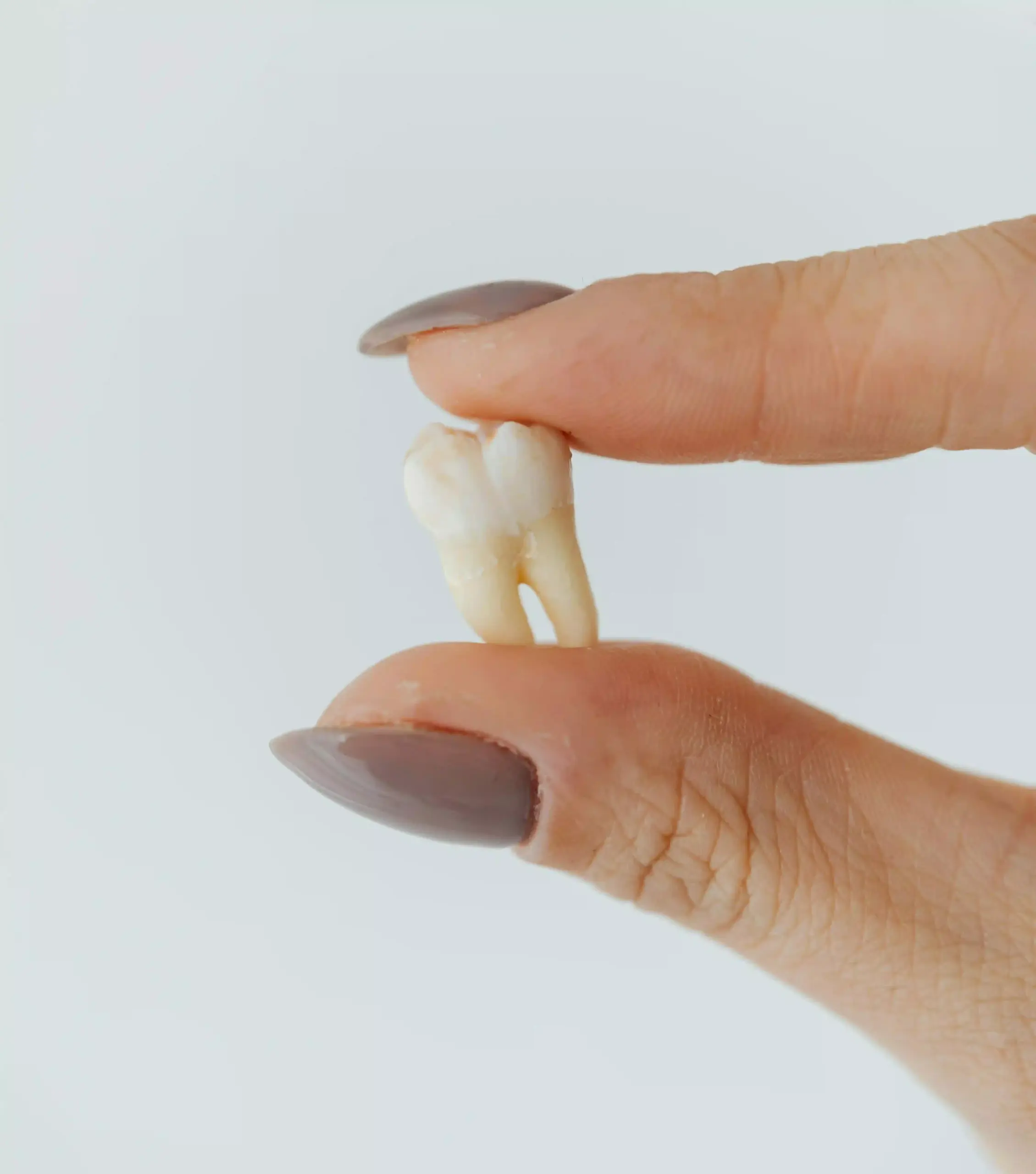
¿Cuánto tiempo dura realmente la extracción de las muelas del juicio?
La extracción de las muelas del juicio suele durar entre 20 y 60 minutos, dependiendo de la posición del diente y la complejidad del caso.
Considerando la cirugía dental puede inquietar incluso a la persona más valiente, la mayoría de los pacientes se preguntan si la cirugía será corta o no como su pregunta principal. Esta diferencia en los pacientes es bastante común para nosotros en una clínica dental. Algunos casos requieren una cirugía que se completa tan rápido que uno casi podría contar hasta diez mientras ve una película corta. Sin embargo, algunos procedimientos deben realizarse con cuidado; por lo tanto, en cuanto al tiempo, tardan más. En Lema Dental Clinic en Turquía, nos enfocamos en realizar la cirugía de manera rápida y segura; sin embargo, la duración de la cirugía dependerá en última instancia de la forma de su mandíbula.La Forma Oculta: Por Qué Varía el Tiempo de Cirugía
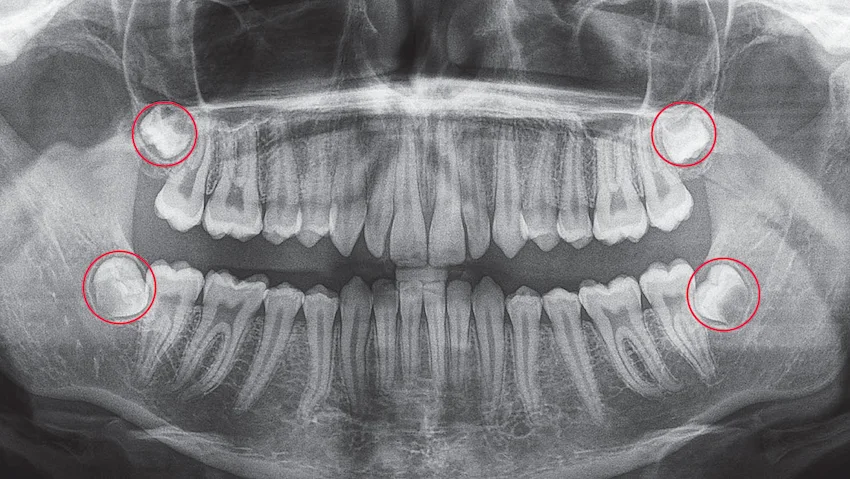
Posición Oclusal de la Muela del Juicio
La oclusión es uno de los factores que dentistas como la Dra. Polen Akkılıç deben considerar antes de que comience su tratamiento dental. Realizan una radiografía y luego deciden qué tipo de trabajo será:- Completamente erupcionada: Este tipo es bastante fácil, ya que el diente ha atravesado completamente la encía.
- Parcialmente impactada: El diente puede ser visible pero está medio enterrado, y a menudo está atascado en un ángulo muy incómodo.
- Diente completamente impactado (óseo): Si un diente está completamente incrustado en el hueso maxilar, los dentistas deben retirar cuidadosamente parte del hueso hasta que vean el diente. En tal caso, un injerto óseo y un implante dental son la solución más probable.
Tiempo Estimado de Cirugía
Para mayor claridad, veamos los siguientes ejemplos, asumiendo que está completamente adormecido después de la anestesia.| Posiciones de los Dientes | Tiempo (Cada Diente) | Tiempo Total de Cirugía |
| Dientes completamente erupcionados | 3 a 5 minutos | 20 a 30 minutos |
| Dientes parcialmente impactados | 10 a 20 minutos | Aproximadamente 40 minutos |
| Dientes completamente bloqueados por hueso | 15 a 30 minutos o más | Más de una hora |
La Experiencia Quirúrgica en Turquía

Preguntas Frecuentes
Referencias Académicas
- Bouloux, G. F., Steed, M. B., & Perciaccante, V. J. (2007). Complications of third molar surgery. Oral and Maxillofacial Surgery Clinics of North America, 19(1), 117-128.
- Coulthard, P., Bailey, E., Esposito, M., Furness, S., Renton, T. F., & Worthington, H. V. (2014). Surgical techniques for the removal of mandibular wisdom teeth. Cochrane Database of Systematic Reviews, (7).
- Dodson, T. B., & Susarla, S. M. (2014). Impacted wisdom teeth. BMJ Clinical Evidence, 2014, 1302.
- Haug, R. H., Perrott, D. H., Gonzalez, M. L., & Talwar, R. M. (2005). The American Association of Oral and Maxillofacial Surgeons age-related third molar study. Journal of Oral and Maxillofacial Surgery, 63(8), 1106-1114.
- Renton, T., & McGurk, M. (2001). Evaluation of factors predictive of lingual nerve injury in third molar surgery. British Journal of Oral and Maxillofacial Surgery, 39(6), 423-428.
Preguntas frecuentes
Do I have to take the whole day off for the surgery?
That would be great. If you leave the surgery in about 40 minutes, you are still going to feel the numbness as well as have somewhat dull vision. We recommend that you not go back to work directly but spend the rest of the day recovering, for example, by resting on the couch with ice application.
How long will my mouth be numb?
Achieving complete numbing is one thing; returning to one's normal condition is an entirely different process. Your numbness from the anesthetic will last for approximately 4 hours so that you can comfortably talk to the dentist when you return to the clinic for your regular follow-up after the anesthesia wears off completely. That's why dentists recommend a pill in the patient's hand and tell the patient to take the first one as soon as they feel numb, because that will help relieve the pain once the numbness disappears.
Will I be conscious the entire duration of the surgery?
This decision entirely rests with the patient, who can opt for either having a local anesthetic or sedation. Local anesthesia ensures that you remain awake, but you may feel your mouth as you do so, although all movements to your mouth are painless. Sedation is available, and we provide it only when a patient requests it, as it helps the patient relax and sleep during the procedure if that is the case.
What is the procedure if the tooth is lying very close to an important nerve?
To prevent such problems, we use a 3D scan, which is the only way to see exactly where each tooth is positioned relative to the important nerves. This is done for a short time after the surgery only if the roots contact the nerve. We move very carefully so that no pressure is applied to the nerve. In addition, by dividing the tooth into pieces, we can reach the nerve and still remove the entire tooth.
Approximately, how long will a wound take to heal?
You can get an appointment in no time, and the actual time for your jawbone to fill the gaps is 3-6 months. You will know the result of the operation only after the first X-ray, which you will get after three or six weeks.