

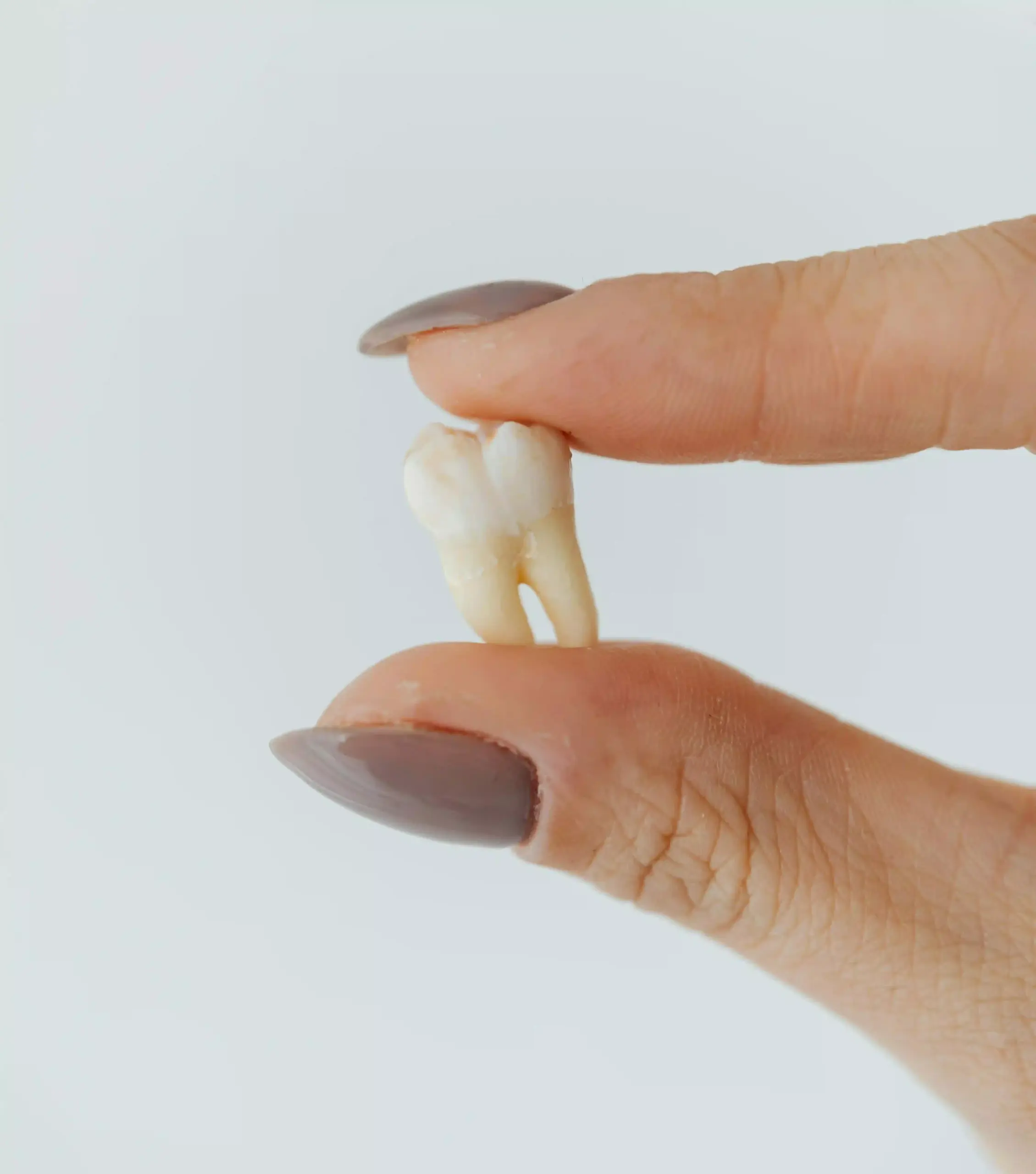
Hur lång tid tar borttagning av visdomständer egentligen?
Borttagning av visdomständer tar vanligtvis 20–60 minuter, beroende på tandens position och fallets komplexitet.
Med tanke på att tandkirurgi kan få även den modigaste att känna sig orolig, undrar de flesta patienter om operationen kommer att vara kort eller inte som sin primära fråga. Denna skillnad bland patienter är ganska vanlig för oss på en tandklinik. Vissa fall kräver en operation som utförs så snabbt att man nästan skulle kunna räkna till tio medan man tittar på en kort film. Andra procedurer måste dock utföras noggrant; därför tar de längre tid. På Lema Dental Clinic i Turkiet fokuserar vi på att utföra operationer snabbt och säkert; operationens varaktighet kommer dock i slutändan att bero på formen på din käke.Den dolda formen: Varför operationstiden varierar
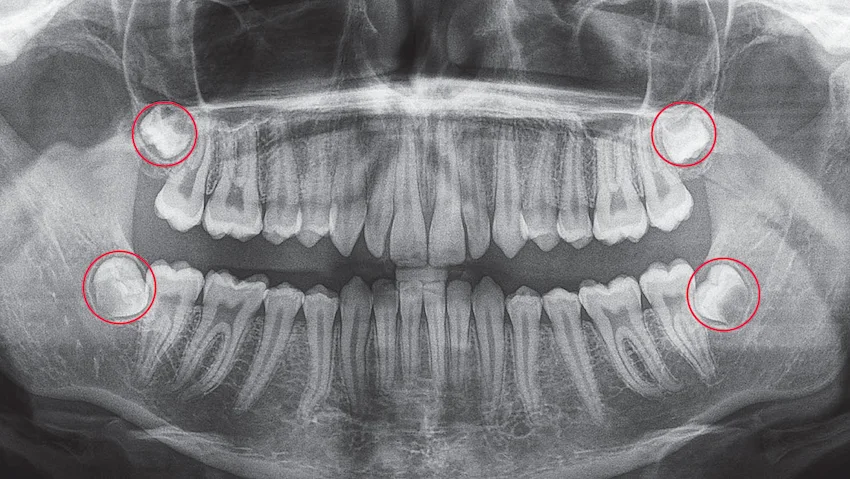
Visdomstandens ocklusala position
Ocklusion är en av de faktorer som tandläkare som Dr. Polen Akkılıç måste överväga innan du påbörjar din tandbehandling. De tar en röntgenbild och bestämmer sedan vilken typ av arbete det kommer att vara:- Fullt frambruten: Denna typ är ganska enkel, eftersom hela tanden har brutit igenom tandköttet.
- Delvis retinerad: Tanden kan vara synlig men är halvt begravd och sitter ofta i en mycket obekväm vinkel.
- Fullt retinerad tand (i ben): Om en tand är helt fast i käkbenet måste tandläkare försiktigt avlägsna en del av benet tills de ser tanden. I ett sådant fall är bentransplantation och ett tandimplantat den mest sannolika lösningen.
Uppskattad operationstid
För tydlighetens skull, låt oss titta på följande exempel, förutsatt att du är ordentligt bedövad efter anestesin.| Tandpositioner | Tid (per tand) | Total operationstid |
| Fullt frambrutna tänder | 3 till 5 minuter | 20 till 30 minuter |
| Delvis retinerade tänder | 10 till 20 minuter | Cirka 40 minuter |
| Tänder helt blockerade av ben | 15 till 30 minuter eller mer | Mer än en timme |
Den kirurgiska upplevelsen i Turkiet
Vanliga frågor
Akademiska referenser
- Bouloux, G. F., Steed, M. B., & Perciaccante, V. J. (2007). Komplikationer vid tredje molarkirurgi. Oral and Maxillofacial Surgery Clinics of North America, 19(1), 117-128.
- Coulthard, P., Bailey, E., Esposito, M., Furness, S., Renton, T. F., & Worthington, H. V. (2014). Kirurgiska tekniker för borttagning av visdomständer i underkäken. Cochrane Database of Systematic Reviews, (7).
- Dodson, T. B., & Susarla, S. M. (2014). Retinerade visdomständer. BMJ Clinical Evidence, 2014, 1302.
- Haug, R. H., Perrott, D. H., Gonzalez, M. L., & Talwar, R. M. (2005). The American Association of Oral and Maxillofacial Surgeons åldersrelaterade studie av tredje molarer. Journal of Oral and Maxillofacial Surgery, 63(8), 1106-1114.
- Renton, T., & McGurk, M. (2001). Utvärdering av faktorer som förutsäger skada på lingualnerven vid tredje molarkirurgi. British Journal of Oral and Maxillofacial Surgery, 39(6), 423-428.
Vanliga frågor
Do I have to take the whole day off for the surgery?
That would be great. If you leave the surgery in about 40 minutes, you are still going to feel the numbness as well as have somewhat dull vision. We recommend that you not go back to work directly but spend the rest of the day recovering, for example, by resting on the couch with ice application.
How long will my mouth be numb?
Achieving complete numbing is one thing; returning to one's normal condition is an entirely different process. Your numbness from the anesthetic will last for approximately 4 hours so that you can comfortably talk to the dentist when you return to the clinic for your regular follow-up after the anesthesia wears off completely. That's why dentists recommend a pill in the patient's hand and tell the patient to take the first one as soon as they feel numb, because that will help relieve the pain once the numbness disappears.
Will I be conscious the entire duration of the surgery?
This decision entirely rests with the patient, who can opt for either having a local anesthetic or sedation. Local anesthesia ensures that you remain awake, but you may feel your mouth as you do so, although all movements to your mouth are painless. Sedation is available, and we provide it only when a patient requests it, as it helps the patient relax and sleep during the procedure if that is the case.
What is the procedure if the tooth is lying very close to an important nerve?
To prevent such problems, we use a 3D scan, which is the only way to see exactly where each tooth is positioned relative to the important nerves. This is done for a short time after the surgery only if the roots contact the nerve. We move very carefully so that no pressure is applied to the nerve. In addition, by dividing the tooth into pieces, we can reach the nerve and still remove the entire tooth.
Approximately, how long will a wound take to heal?
You can get an appointment in no time, and the actual time for your jawbone to fill the gaps is 3-6 months. You will know the result of the operation only after the first X-ray, which you will get after three or six weeks.