

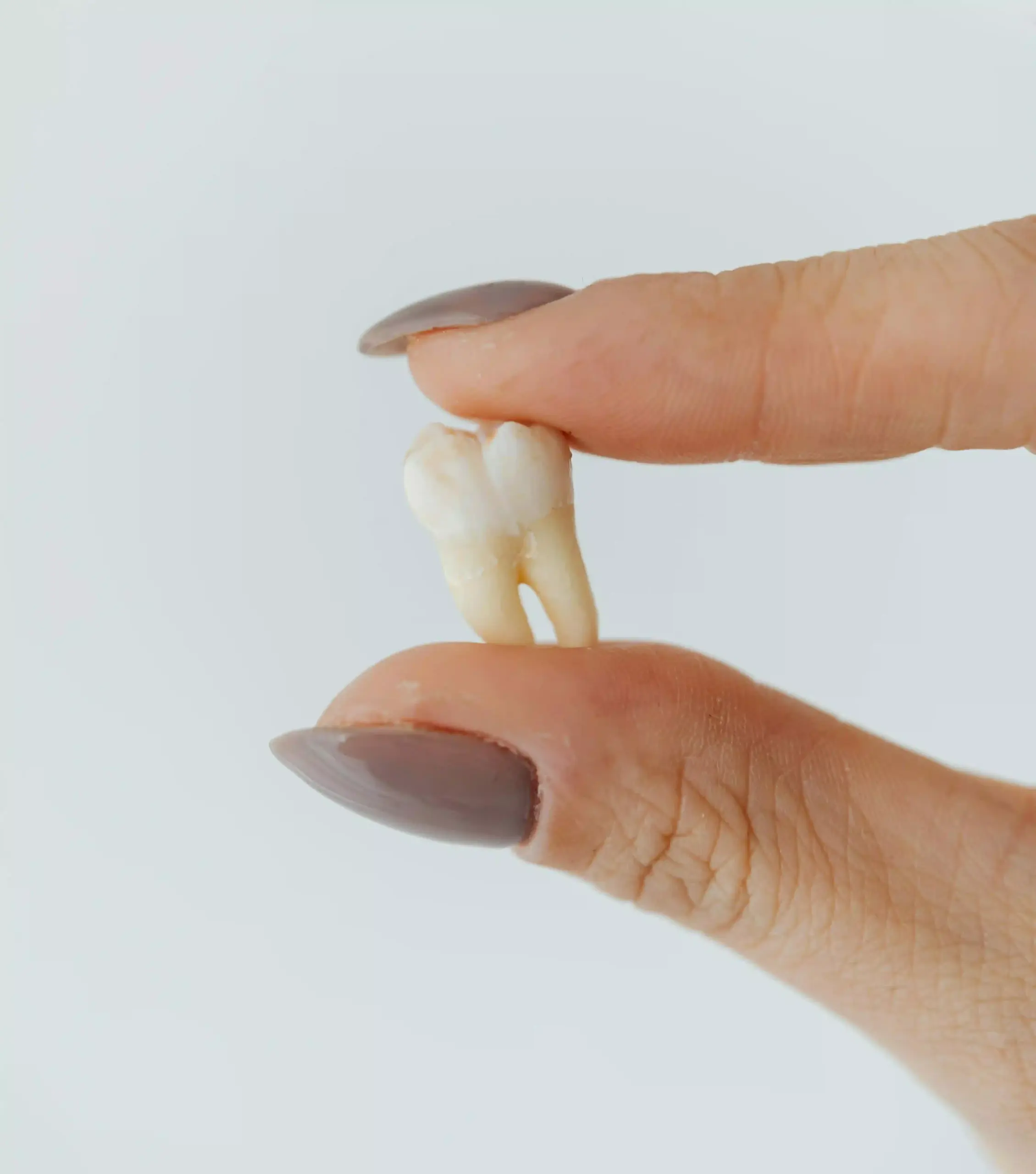
Колко време всъщност отнема изваждането на мъдреци?
Изваждането на мъдреци обикновено отнема 20–60 минути, в зависимост от позицията на зъба и сложността на случая.
Като се има предвид денталната хирургия може да накара дори най-смелия човек да се почувства неспокоен, повечето пациенти се чудят дали операцията ще бъде кратка или не, като това е основният им въпрос. Тази разлика при пациентите е доста често срещана за нас в дентална клиника. Някои случаи изискват операция, която се извършва толкова бързо, че човек почти може да брои до десет, докато гледа кратък филм. Въпреки това, някои процедури трябва да се извършват внимателно; следователно, те отнемат повече време. В Lema Dental Clinic в Турция, ние се фокусираме върху извършването на операция бързо и безопасно; въпреки това, продължителността на операцията в крайна сметка ще зависи от формата на вашата челюст.Скритата форма: Защо времето за операция варира
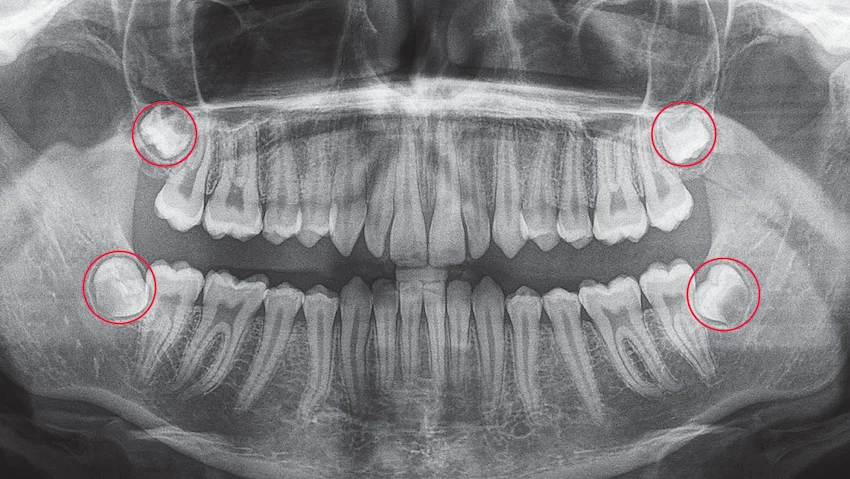
Оклузална позиция на мъдреца
Оклузията е един от факторите, които зъболекари като д-р Полен Аккълъч трябва да вземат предвид, преди да започнете вашата дентална работа. Те правят рентгенова снимка и след това решават какъв тип работа ще бъде:- Напълно поникнал: Този тип е доста лесен, тъй като целият зъб е пробил венеца.
- Частично ретиниран: Зъбът може да е видим, но е наполовина заровен и често е заседнал под много неудобен ъгъл.
- Напълно ретиниран зъб (костен): Ако зъб е напълно заседнал в челюстната кост, тогава зъболекарите трябва внимателно да отстранят част от костта, докато не видят зъба. В такъв случай, костна присадка и дентален имплант са най-вероятното решение.
Приблизително време за операция
За по-голяма яснота, нека разгледаме следните примери, приемайки, че сте напълно изтръпнали след анестезия.| Позиции на зъбите | Време (за всеки зъб) | Общо време за операция |
| Напълно поникнали зъби | 3 до 5 минути | 20 до 30 минути |
| Частично ретинирани зъби | 10 до 20 минути | Приблизително 40 минути |
| Зъби, напълно блокирани от кост | 15 до 30 минути или повече | Повече от час |
Хирургичният опит в Турция

Често задавани въпроси
Академични справки
- Bouloux, G. F., Steed, M. B., & Perciaccante, V. J. (2007). Complications of third molar surgery. Oral and Maxillofacial Surgery Clinics of North America, 19(1), 117-128.
- Coulthard, P., Bailey, E., Esposito, M., Furness, S., Renton, T. F., & Worthington, H. V. (2014). Surgical techniques for the removal of mandibular wisdom teeth. Cochrane Database of Systematic Reviews, (7).
- Dodson, T. B., & Susarla, S. M. (2014). Impacted wisdom teeth. BMJ Clinical Evidence, 2014, 1302.
- Haug, R. H., Perrott, D. H., Gonzalez, M. L., & Talwar, R. M. (2005). The American Association of Oral and Maxillofacial Surgeons age-related third molar study. Journal of Oral and Maxillofacial Surgery, 63(8), 1106-1114.
- Renton, T., & McGurk, M. (2001). Evaluation of factors predictive of lingual nerve injury in third molar surgery. British Journal of Oral and Maxillofacial Surgery, 39(6), 423-428.
Често задавани въпроси
Do I have to take the whole day off for the surgery?
That would be great. If you leave the surgery in about 40 minutes, you are still going to feel the numbness as well as have somewhat dull vision. We recommend that you not go back to work directly but spend the rest of the day recovering, for example, by resting on the couch with ice application.
How long will my mouth be numb?
Achieving complete numbing is one thing; returning to one's normal condition is an entirely different process. Your numbness from the anesthetic will last for approximately 4 hours so that you can comfortably talk to the dentist when you return to the clinic for your regular follow-up after the anesthesia wears off completely. That's why dentists recommend a pill in the patient's hand and tell the patient to take the first one as soon as they feel numb, because that will help relieve the pain once the numbness disappears.
Will I be conscious the entire duration of the surgery?
This decision entirely rests with the patient, who can opt for either having a local anesthetic or sedation. Local anesthesia ensures that you remain awake, but you may feel your mouth as you do so, although all movements to your mouth are painless. Sedation is available, and we provide it only when a patient requests it, as it helps the patient relax and sleep during the procedure if that is the case.
What is the procedure if the tooth is lying very close to an important nerve?
To prevent such problems, we use a 3D scan, which is the only way to see exactly where each tooth is positioned relative to the important nerves. This is done for a short time after the surgery only if the roots contact the nerve. We move very carefully so that no pressure is applied to the nerve. In addition, by dividing the tooth into pieces, we can reach the nerve and still remove the entire tooth.
Approximately, how long will a wound take to heal?
You can get an appointment in no time, and the actual time for your jawbone to fill the gaps is 3-6 months. You will know the result of the operation only after the first X-ray, which you will get after three or six weeks.