

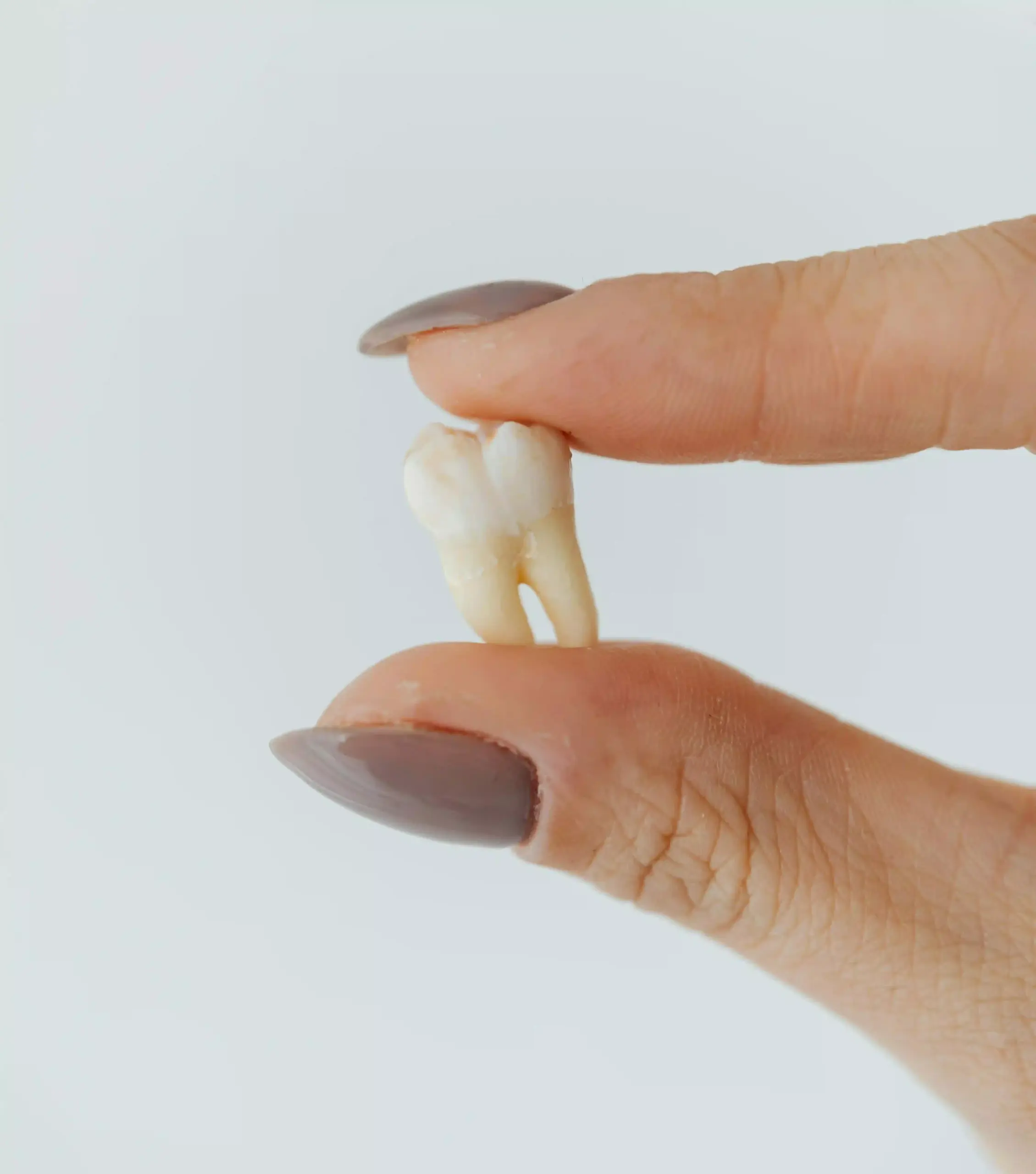
Hvor lang tid tager fjernelse af visdomstænder egentlig?
Fjernelse af visdomstænder tager normalt 20-60 minutter, afhængigt af tandens position og sagens kompleksitet.
Tanker om tandkirurgi kan gøre selv den modigste person utilpas, og de fleste patienter spørger primært, om operationen vil være kort eller ej. Denne forskel blandt patienter er ret almindelig for os på en tandklinik. Nogle tilfælde kræver en operation, der er så hurtigt overstået, at man næsten kunne tælle til ti, mens man ser en kort film. Andre procedurer skal dog udføres omhyggeligt; derfor tager de længere tid. På Lema Dental Clinic i Tyrkiet fokuserer vi på at udføre operationer hurtigt og sikkert; dog vil operationens varighed i sidste ende afhænge af din kæbes form.Den skjulte form: Hvorfor operationstiden varierer
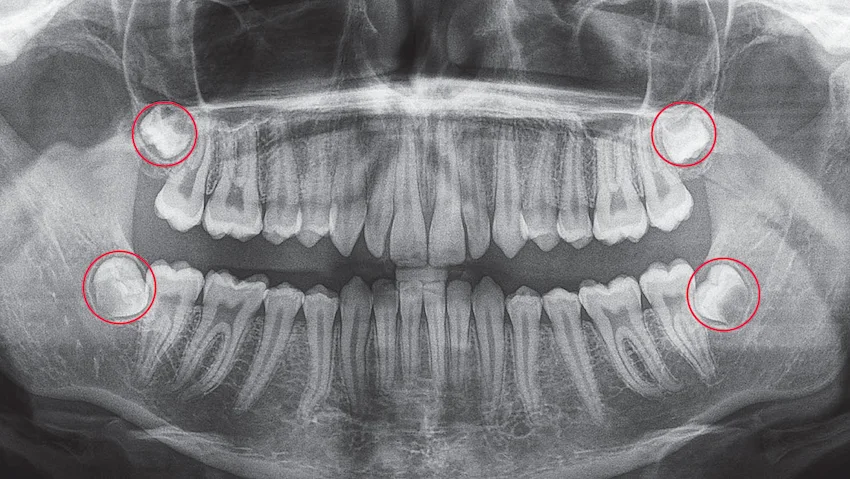
Visdomstandens okklusale position
Okklusion er en af de faktorer, som tandlæger som Dr. Polen Akkılıç skal overveje, før du får udført dit tandarbejde. De tager et røntgenbillede og beslutter derefter, hvilken type arbejde det vil være:- Fuldt frembrudt: Denne type er ret nem, da hele tanden er brudt igennem tandkødet.
- Delvist impakteret: Tanden kan være synlig, men er halvt begravet og sidder ofte i en meget akavet vinkel.
- Fuldt impakteret tand (i knogle): Hvis en tand er fuldstændig fastlåst i kæbebenet, skal tandlæger forsigtigt fjerne en del af knoglen, indtil de ser tanden. I et sådant tilfælde er knogletransplantation og et tandimplantat den mest sandsynlige løsning.
Anslået operationstid
For klarhedens skyld, lad os se på følgende eksempler, forudsat at du er grundigt bedøvet efter anæstesi.| Tandpositioner | Tid (pr. tand) | Samlet operationstid |
| Fuldt frembrudte tænder | 3 til 5 minutter | 20 til 30 minutter |
| Delvist impakterede tænder | 10 til 20 minutter | Cirka 40 minutter |
| Tænder fuldt blokeret af knogle | 15 til 30 minutter eller mere | Mere end en time |
Den kirurgiske oplevelse i Tyrkiet

Ofte stillede spørgsmål
Akademiske referencer
- Bouloux, G. F., Steed, M. B., & Perciaccante, V. J. (2007). Komplikationer ved tredje molar kirurgi. Oral and Maxillofacial Surgery Clinics of North America, 19(1), 117-128.
- Coulthard, P., Bailey, E., Esposito, M., Furness, S., Renton, T. F., & Worthington, H. V. (2014). Kirurgiske teknikker til fjernelse af mandibulære visdomstænder. Cochrane Database of Systematic Reviews, (7).
- Dodson, T. B., & Susarla, S. M. (2014). Impakterede visdomstænder. BMJ Clinical Evidence, 2014, 1302.
- Haug, R. H., Perrott, D. H., Gonzalez, M. L., & Talwar, R. M. (2005). Den Amerikanske Forening for Oral- og Kæbekirurgers aldersrelaterede studie af tredje molar. Journal of Oral and Maxillofacial Surgery, 63(8), 1106-1114.
- Renton, T., & McGurk, M. (2001). Evaluering af faktorer, der forudsiger lingual nerveskade ved tredje molar kirurgi. British Journal of Oral and Maxillofacial Surgery, 39(6), 423-428.
Ofte stillede spørgsmål
Do I have to take the whole day off for the surgery?
That would be great. If you leave the surgery in about 40 minutes, you are still going to feel the numbness as well as have somewhat dull vision. We recommend that you not go back to work directly but spend the rest of the day recovering, for example, by resting on the couch with ice application.
How long will my mouth be numb?
Achieving complete numbing is one thing; returning to one's normal condition is an entirely different process. Your numbness from the anesthetic will last for approximately 4 hours so that you can comfortably talk to the dentist when you return to the clinic for your regular follow-up after the anesthesia wears off completely. That's why dentists recommend a pill in the patient's hand and tell the patient to take the first one as soon as they feel numb, because that will help relieve the pain once the numbness disappears.
Will I be conscious the entire duration of the surgery?
This decision entirely rests with the patient, who can opt for either having a local anesthetic or sedation. Local anesthesia ensures that you remain awake, but you may feel your mouth as you do so, although all movements to your mouth are painless. Sedation is available, and we provide it only when a patient requests it, as it helps the patient relax and sleep during the procedure if that is the case.
What is the procedure if the tooth is lying very close to an important nerve?
To prevent such problems, we use a 3D scan, which is the only way to see exactly where each tooth is positioned relative to the important nerves. This is done for a short time after the surgery only if the roots contact the nerve. We move very carefully so that no pressure is applied to the nerve. In addition, by dividing the tooth into pieces, we can reach the nerve and still remove the entire tooth.
Approximately, how long will a wound take to heal?
You can get an appointment in no time, and the actual time for your jawbone to fill the gaps is 3-6 months. You will know the result of the operation only after the first X-ray, which you will get after three or six weeks.