

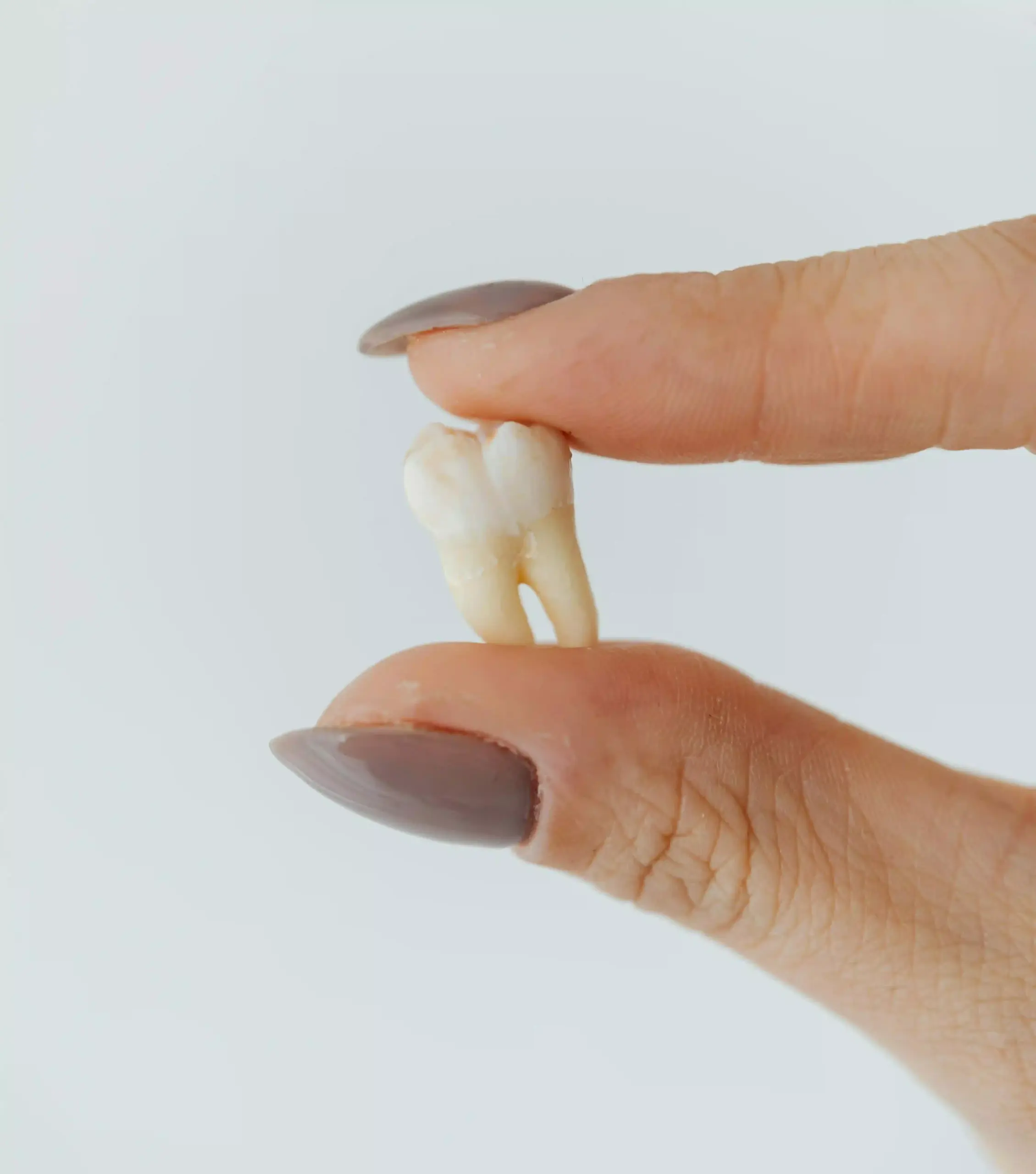
كم تستغرق عملية خلع ضرس العقل فعليًا؟
عادةً ما تستغرق عملية خلع ضرس العقل من 20 إلى 60 دقيقة، اعتمادًا على موقع السن ومدى تعقيد الحالة.
بالنظر إلى أن جراحة الأسنان يمكن أن تجعل حتى أشجع الأشخاص يشعرون بعدم الارتياح، يتساءل غالبية المرضى عما إذا كانت الجراحة ستكون قصيرة أم لا كسؤالهم الأساسي. هذا الاختلاف بين المرضى شائع جدًا بالنسبة لنا في عيادة الأسنان. تتطلب بعض الحالات جراحة تُنجز بسرعة كبيرة لدرجة أن المرء يمكن أن يعد حتى عشرة أثناء مشاهدة فيلم قصير. ومع ذلك، تحتاج بعض الإجراءات إلى أن تُجرى بعناية؛ ولذلك، تستغرق وقتًا أطول. في عيادة ليما لطب الأسنان في تركيا، نركز على إجراء الجراحة بسرعة وأمان؛ ومع ذلك، ستعتمد مدة الجراحة في النهاية على شكل فكك.الشكل الخفي: لماذا يختلف وقت الجراحة
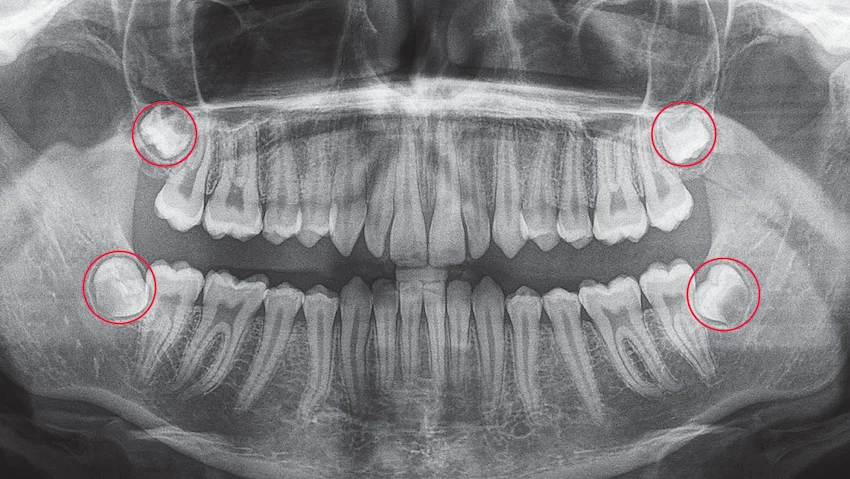
الوضع الإطباقي لضرس العقل
الإطباق هو أحد العوامل التي يجب على أطباء الأسنان مثل الدكتورة بولين أكليتش مراعاتها قبل البدء في علاج أسنانك. يقومون بإجراء فحص بالأشعة السينية ثم يقررون نوع العمل الذي سيكون عليه:- بزغ بالكامل: هذا النوع سهل للغاية، حيث اخترق السن اللثة بالكامل.
- منطمر جزئيًا: قد يكون السن مرئيًا ولكنه مدفون جزئيًا، وغالبًا ما يكون عالقًا بزاوية صعبة للغاية.
- سن منطمر بالكامل (عظمي): إذا كان السن عالقًا بالكامل في عظم الفك، فيجب على أطباء الأسنان إزالة جزء من العظم بعناية حتى يتمكنوا من رؤية السن. في مثل هذه الحالة، يعتبر تطعيم العظام وزرع الأسنان هو الحل الأكثر احتمالاً.
الوقت التقديري للجراحة
للتوضيح، دعنا نلقي نظرة على الأمثلة التالية، بافتراض أنك مخدر تمامًا بعد التخدير.| مواقع الأسنان | الوقت (لكل سن) | إجمالي وقت الجراحة |
| الأسنان البازغة بالكامل | 3 إلى 5 دقائق | 20 إلى 30 دقيقة |
| الأسنان المنطمرة جزئيًا | 10 إلى 20 دقيقة | حوالي 40 دقيقة |
| الأسنان المحجوبة بالكامل بالعظم | 15 إلى 30 دقيقة أو أكثر | أكثر من ساعة |
تجربة الجراحة في تركيا

الأسئلة المتكررة
المراجع الأكاديمية
- Bouloux, G. F., Steed, M. B., & Perciaccante, V. J. (2007). Complications of third molar surgery. Oral and Maxillofacial Surgery Clinics of North America, 19(1), 117-128.
- Coulthard, P., Bailey, E., Esposito, M., Furness, S., Renton, T. F., & Worthington, H. V. (2014). Surgical techniques for the removal of mandibular wisdom teeth. Cochrane Database of Systematic Reviews, (7).
- Dodson, T. B., & Susarla, S. M. (2014). Impacted wisdom teeth. BMJ Clinical Evidence, 2014, 1302.
- Haug, R. H., Perrott, D. H., Gonzalez, M. L., & Talwar, R. M. (2005). The American Association of Oral and Maxillofacial Surgeons age-related third molar study. Journal of Oral and Maxillofacial Surgery, 63(8), 1106-1114.
- Renton, T., & McGurk, M. (2001). Evaluation of factors predictive of lingual nerve injury in third molar surgery. British Journal of Oral and Maxillofacial Surgery, 39(6), 423-428.
الأسئلة الشائعة
Do I have to take the whole day off for the surgery?
That would be great. If you leave the surgery in about 40 minutes, you are still going to feel the numbness as well as have somewhat dull vision. We recommend that you not go back to work directly but spend the rest of the day recovering, for example, by resting on the couch with ice application.
How long will my mouth be numb?
Achieving complete numbing is one thing; returning to one's normal condition is an entirely different process. Your numbness from the anesthetic will last for approximately 4 hours so that you can comfortably talk to the dentist when you return to the clinic for your regular follow-up after the anesthesia wears off completely. That's why dentists recommend a pill in the patient's hand and tell the patient to take the first one as soon as they feel numb, because that will help relieve the pain once the numbness disappears.
Will I be conscious the entire duration of the surgery?
This decision entirely rests with the patient, who can opt for either having a local anesthetic or sedation. Local anesthesia ensures that you remain awake, but you may feel your mouth as you do so, although all movements to your mouth are painless. Sedation is available, and we provide it only when a patient requests it, as it helps the patient relax and sleep during the procedure if that is the case.
What is the procedure if the tooth is lying very close to an important nerve?
To prevent such problems, we use a 3D scan, which is the only way to see exactly where each tooth is positioned relative to the important nerves. This is done for a short time after the surgery only if the roots contact the nerve. We move very carefully so that no pressure is applied to the nerve. In addition, by dividing the tooth into pieces, we can reach the nerve and still remove the entire tooth.
Approximately, how long will a wound take to heal?
You can get an appointment in no time, and the actual time for your jawbone to fill the gaps is 3-6 months. You will know the result of the operation only after the first X-ray, which you will get after three or six weeks.