

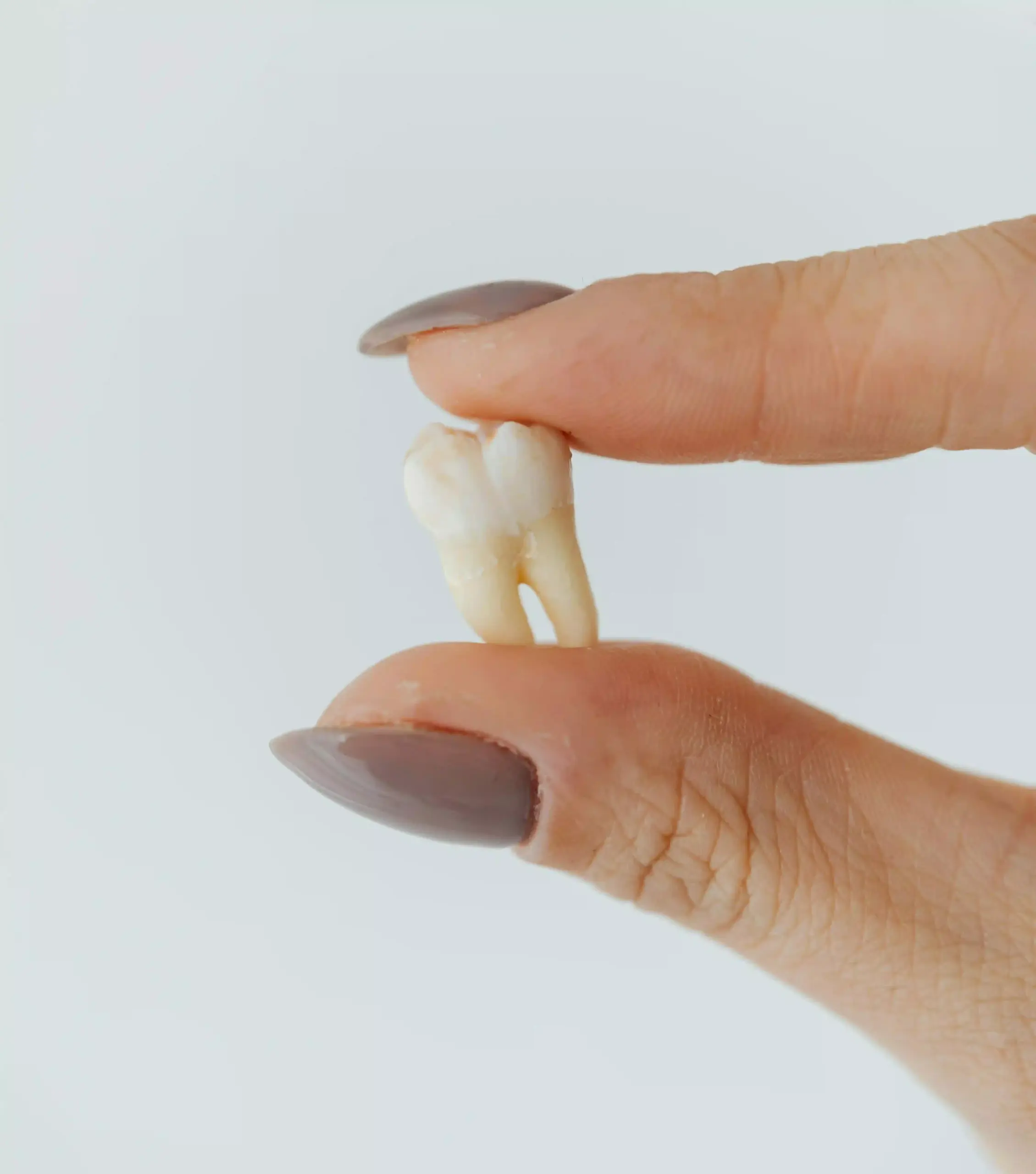
Yirmi Yaş Dişi Çekimi Aslında Ne Kadar Sürer?
Yirmi yaş dişi çekimi, dişin konumuna ve vakanın karmaşıklığına bağlı olarak genellikle 20-60 dakika sürer.
Diş ameliyatı düşüncesi en cesur insanı bile tedirgin edebileceğinden, hastaların çoğu birincil soru olarak ameliyatın kısa olup olmayacağını merak eder. Hastalar arasındaki bu farklılık, bir diş kliniği olarak bizim için oldukça yaygındır. Bazı vakalar, kısa bir film izlerken neredeyse ona kadar sayabilecek kadar hızlı tamamlanan bir ameliyat gerektirir. Ancak bazı prosedürlerin dikkatli bir şekilde yapılması gerekir; bu nedenle zaman açısından daha uzun sürerler. Türkiye'deki Lema Diş Kliniği'nde, ameliyatı hızlı ve güvenli bir şekilde gerçekleştirmeye odaklanıyoruz; ancak ameliyatın süresi nihayetinde çenenizin şekline bağlı olacaktır.Gizli Şekil: Ameliyat Süresi Neden Değişir?
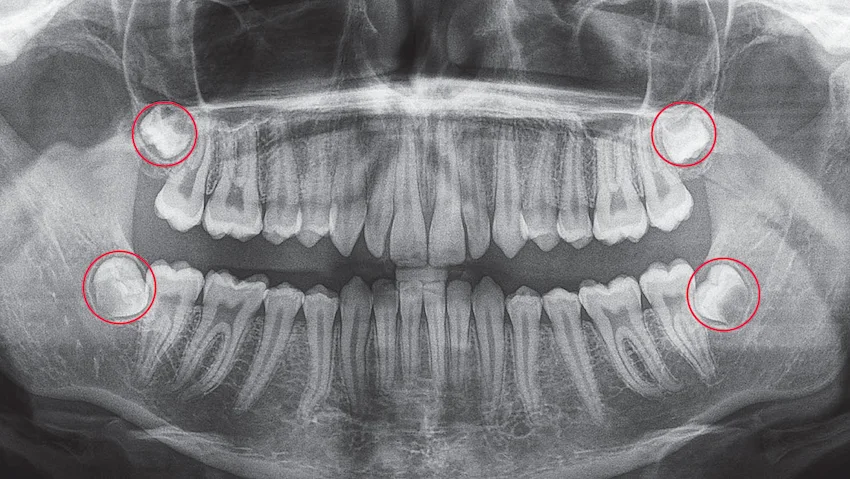
Yirmi Yaş Dişinin Oklüzal Konumu
Oklüzyon, Dr. Polen Akkılıç gibi diş hekimlerinin diş tedavilerinize başlamadan önce göz önünde bulundurması gereken faktörlerden biridir. Röntgen çekimi yaparlar ve ardından ne tür bir işlem olacağına karar verirler:- Tamamen Sürmüş: Bu tip oldukça kolaydır, çünkü dişin tamamı diş etini yarmıştır.
- Kısmen Gömülü: Diş görünür olabilir ancak yarı gömülüdür ve genellikle çok garip bir açıda sıkışmıştır.
- Tamamen Gömülü Diş (Kemik İçinde): Eğer bir diş tamamen çene kemiğine saplanmışsa, diş hekimleri dişi görene kadar kemiğin bir kısmını dikkatlice çıkarmalıdır. Böyle bir durumda, kemik grefti ve bir diş implantı en olası çözümdür.
Tahmini Ameliyat Süresi
Açıklık getirmek için, anestezi sonrası tamamen uyuştuğunuzu varsayarak aşağıdaki örneklere bakalım.| Diş Konumları | Süre (Her Diş İçin) | Toplam Ameliyat Süresi |
| Tamamen sürmüş dişler | 3 ila 5 dakika | 20 ila 30 dakika |
| Kısmen gömülü dişler | 10 ila 20 dakika | Yaklaşık 40 dakika |
| Kemik tarafından tamamen engellenen dişler | 15 ila 30 dakika veya daha fazla | Bir saatten fazla |
Türkiye'de Cerrahi Deneyim
Sıkça Sorulan Sorular
Akademik Referanslar
- Bouloux, G. F., Steed, M. B., & Perciaccante, V. J. (2007). Complications of third molar surgery. Oral and Maxillofacial Surgery Clinics of North America, 19(1), 117-128.
- Coulthard, P., Bailey, E., Esposito, M., Furness, S., Renton, T. F., & Worthington, H. V. (2014). Surgical techniques for the removal of mandibular wisdom teeth. Cochrane Database of Systematic Reviews, (7).
- Dodson, T. B., & Susarla, S. M. (2014). Impacted wisdom teeth. BMJ Clinical Evidence, 2014, 1302.
- Haug, R. H., Perrott, D. H., Gonzalez, M. L., & Talwar, R. M. (2005). The American Association of Oral and Maxillofacial Surgeons age-related third molar study. Journal of Oral and Maxillofacial Surgery, 63(8), 1106-1114.
- Renton, T., & McGurk, M. (2001). Evaluation of factors predictive of lingual nerve injury in third molar surgery. British Journal of Oral and Maxillofacial Surgery, 39(6), 423-428.
Sıkça sorulan sorular
Do I have to take the whole day off for the surgery?
That would be great. If you leave the surgery in about 40 minutes, you are still going to feel the numbness as well as have somewhat dull vision. We recommend that you not go back to work directly but spend the rest of the day recovering, for example, by resting on the couch with ice application.
How long will my mouth be numb?
Achieving complete numbing is one thing; returning to one's normal condition is an entirely different process. Your numbness from the anesthetic will last for approximately 4 hours so that you can comfortably talk to the dentist when you return to the clinic for your regular follow-up after the anesthesia wears off completely. That's why dentists recommend a pill in the patient's hand and tell the patient to take the first one as soon as they feel numb, because that will help relieve the pain once the numbness disappears.
Will I be conscious the entire duration of the surgery?
This decision entirely rests with the patient, who can opt for either having a local anesthetic or sedation. Local anesthesia ensures that you remain awake, but you may feel your mouth as you do so, although all movements to your mouth are painless. Sedation is available, and we provide it only when a patient requests it, as it helps the patient relax and sleep during the procedure if that is the case.
What is the procedure if the tooth is lying very close to an important nerve?
To prevent such problems, we use a 3D scan, which is the only way to see exactly where each tooth is positioned relative to the important nerves. This is done for a short time after the surgery only if the roots contact the nerve. We move very carefully so that no pressure is applied to the nerve. In addition, by dividing the tooth into pieces, we can reach the nerve and still remove the entire tooth.
Approximately, how long will a wound take to heal?
You can get an appointment in no time, and the actual time for your jawbone to fill the gaps is 3-6 months. You will know the result of the operation only after the first X-ray, which you will get after three or six weeks.