

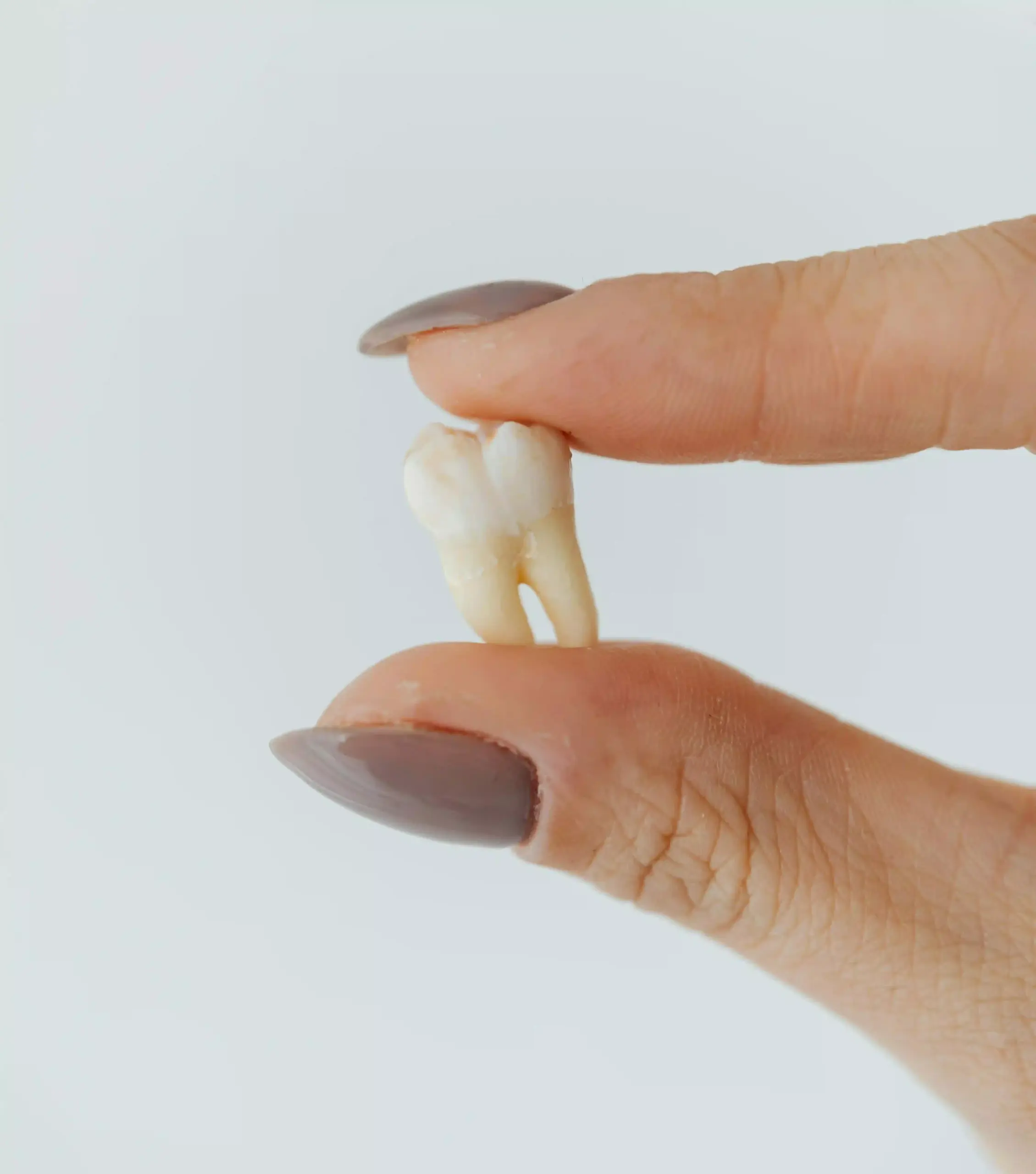
Wie lange dauert die Entfernung von Weisheitszähnen tatsächlich?
Die Entfernung von Weisheitszähnen dauert in der Regel 20–60 Minuten, abhängig von der Zahnposition und der Komplexität des Falles.
Da ein zahnärztlicher Eingriff selbst die mutigste Person beunruhigen kann, fragen sich die meisten Patienten in erster Linie, ob die Operation kurz sein wird oder nicht. Diese Unterschiede bei Patienten sind für uns in einer Zahnklinik ganz normal. Manche Fälle erfordern einen Eingriff, der so schnell abgeschlossen ist, dass man fast bis zehn zählen könnte, während man einen kurzen Film ansieht. Andere Verfahren müssen jedoch sorgfältig durchgeführt werden; daher dauern sie zeitlich länger. In der Lema Dental Clinic in der Türkei konzentrieren wir uns darauf, Operationen schnell und sicher durchzuführen; die Dauer des Eingriffs hängt jedoch letztendlich von der Form Ihres Kiefers ab.Die verborgene Form: Warum die Operationszeit variiert
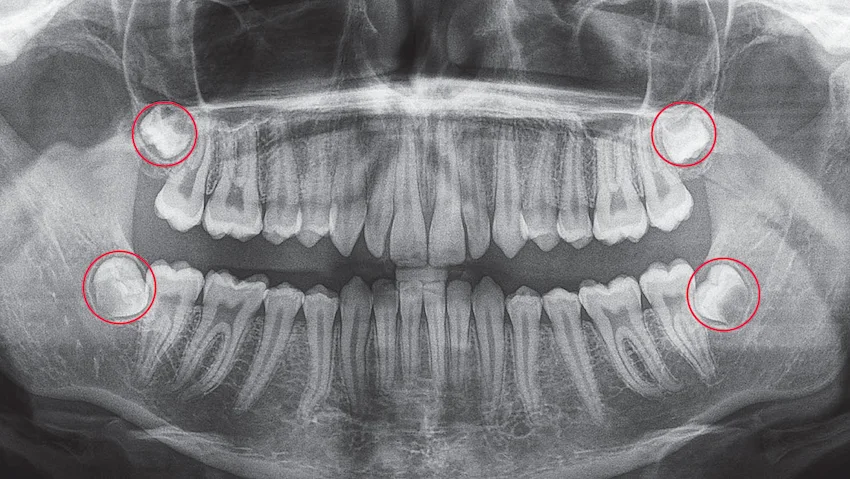
Okklusale Position des Weisheitszahns
Die Okklusion ist einer der Faktoren, die Zahnärzte wie Dr. Polen Akkılıç berücksichtigen müssen, bevor Sie Ihre Zahnbehandlung beginnen. Sie machen eine Röntgenaufnahme und entscheiden dann, welche Art von Arbeit es sein wird:- Vollständig durchgebrochen: Diese Art ist recht einfach, da der gesamte Zahn das Zahnfleisch durchbrochen hat.
- Teilweise impaktiert: Der Zahn kann sichtbar sein, ist aber halb vergraben und steckt oft in einem sehr ungünstigen Winkel fest.
- Vollständig impaktierter Zahn (im Knochen): Wenn ein Zahn vollständig im Kieferknochen steckt, müssen Zahnärzte vorsichtig einen Teil des Knochens entfernen, bis sie den Zahn sehen. In einem solchen Fall sind Knochentransplantation und ein Zahnimplantat die wahrscheinlichste Lösung.
Geschätzte Operationszeit
Zur Verdeutlichung betrachten wir die folgenden Beispiele, unter der Annahme, dass Sie nach der Anästhesie vollständig betäubt sind.| Zahnpositionen | Zeit (pro Zahn) | Gesamte Operationszeit |
| Vollständig durchgebrochene Zähne | 3 bis 5 Minuten | 20 bis 30 Minuten |
| Teilweise impaktierte Zähne | 10 bis 20 Minuten | Ungefähr 40 Minuten |
| Zähne vollständig vom Knochen blockiert | 15 bis 30 Minuten oder mehr | Mehr als eine Stunde |
Die chirurgische Erfahrung in der Türkei

Häufig gestellte Fragen
Akademische Referenzen
- Bouloux, G. F., Steed, M. B., & Perciaccante, V. J. (2007). Complications of third molar surgery. Oral and Maxillofacial Surgery Clinics of North America, 19(1), 117-128.
- Coulthard, P., Bailey, E., Esposito, M., Furness, S., Renton, T. F., & Worthington, H. V. (2014). Surgical techniques for the removal of mandibular wisdom teeth. Cochrane Database of Systematic Reviews, (7).
- Dodson, T. B., & Susarla, S. M. (2014). Impacted wisdom teeth. BMJ Clinical Evidence, 2014, 1302.
- Haug, R. H., Perrott, D. H., Gonzalez, M. L., & Talwar, R. M. (2005). The American Association of Oral and Maxillofacial Surgeons age-related third molar study. Journal of Oral and Maxillofacial Surgery, 63(8), 1106-1114.
- Renton, T., & McGurk, M. (2001). Evaluation of factors predictive of lingual nerve injury in third molar surgery. British Journal of Oral and Maxillofacial Surgery, 39(6), 423-428.
Häufige Fragen
Do I have to take the whole day off for the surgery?
That would be great. If you leave the surgery in about 40 minutes, you are still going to feel the numbness as well as have somewhat dull vision. We recommend that you not go back to work directly but spend the rest of the day recovering, for example, by resting on the couch with ice application.
How long will my mouth be numb?
Achieving complete numbing is one thing; returning to one's normal condition is an entirely different process. Your numbness from the anesthetic will last for approximately 4 hours so that you can comfortably talk to the dentist when you return to the clinic for your regular follow-up after the anesthesia wears off completely. That's why dentists recommend a pill in the patient's hand and tell the patient to take the first one as soon as they feel numb, because that will help relieve the pain once the numbness disappears.
Will I be conscious the entire duration of the surgery?
This decision entirely rests with the patient, who can opt for either having a local anesthetic or sedation. Local anesthesia ensures that you remain awake, but you may feel your mouth as you do so, although all movements to your mouth are painless. Sedation is available, and we provide it only when a patient requests it, as it helps the patient relax and sleep during the procedure if that is the case.
What is the procedure if the tooth is lying very close to an important nerve?
To prevent such problems, we use a 3D scan, which is the only way to see exactly where each tooth is positioned relative to the important nerves. This is done for a short time after the surgery only if the roots contact the nerve. We move very carefully so that no pressure is applied to the nerve. In addition, by dividing the tooth into pieces, we can reach the nerve and still remove the entire tooth.
Approximately, how long will a wound take to heal?
You can get an appointment in no time, and the actual time for your jawbone to fill the gaps is 3-6 months. You will know the result of the operation only after the first X-ray, which you will get after three or six weeks.