

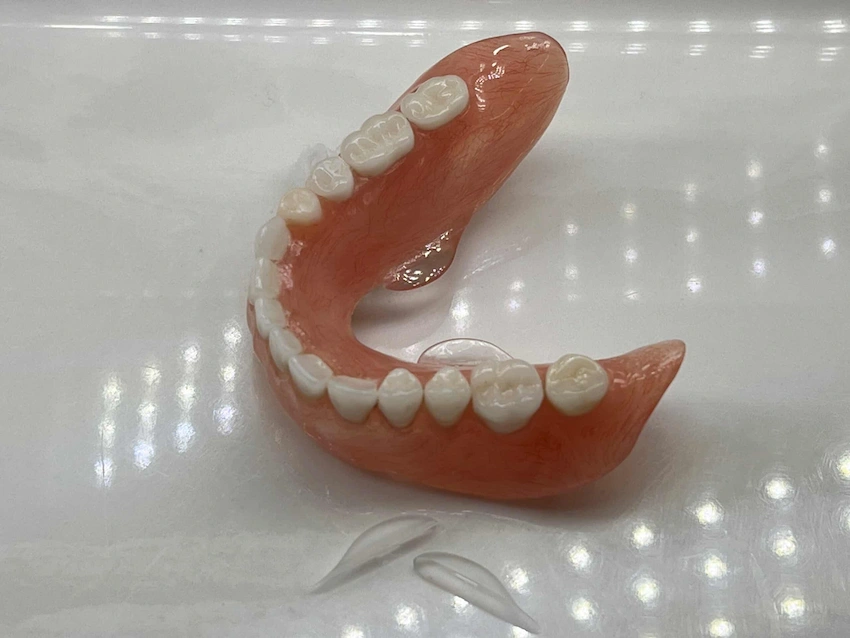
La mejor forma de aplicar adhesivo a prótesis inferior
Aplique pequeños puntos de adhesivo en una prótesis dental inferior limpia y seca, evitando los bordes.
Probablemente esté al tanto de la frustración constante que usuarios de prótesis dentales inferiores enfrentan cada día. A diferencia de la prótesis dental superior, que tiene una amplia zona de paladar, lo que permite crear una especie de ventosa de succión natural entre la encía y la prótesis, la inferior presenta un verdadero desafío. Es un borde alveolar en forma de U muy estrecho que se mueve constantemente. Además, los músculos de la lengua y las mejillas empujan continuamente contra estas partes durante todo el día. Intentar asegurar la prótesis dental inferior sin el método correcto es como intentar hacer flotar una canoa en un río de corriente rápida, lo cual parece imposible de todos modos. A veces, una prótesis dental inferior bien ajustada también necesita ayuda adicional para poder permanecer fija permanentemente. En la Clínica Dental Lema, descubrimos que usar el adhesivo correctamente hace maravillas. Obtiene la confianza que desea. Se convierte en el maestro del habla. Y, sobre todo, se convierte en quien puede disfrutar de un buen almuerzo sin preocupaciones.Un Ajuste Perfecto
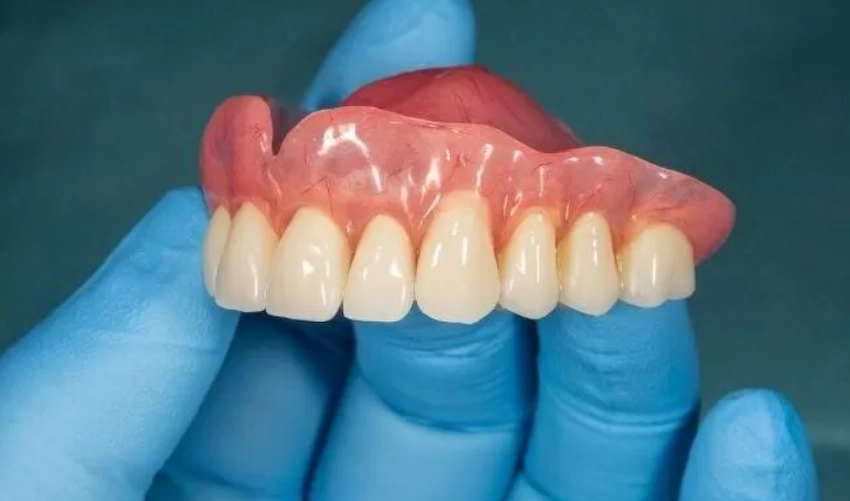
La Filosofía del Adhesivo "Menos es Más"
Un error común es aplicar una cantidad generosa de pasta, pensando que resultaría en una unión fuerte o al menos un buen resultado. Sin embargo, es todo lo contrario. Lo que se obtiene es un gran desorden, y la prótesis probablemente perdería su ajuste ceñido. El adhesivo estaría por todas sus encías y la prótesis. Aquí tiene nuestro consejo sobre cómo puede lograr una sujeción fuerte con el adhesivo dental:- Poco rinde mucho: Solo un par de gotas de adhesivo dental del tamaño de un guisante colocadas en la parte más profunda de su prótesis deberían mantenerla bien sujeta.
- Manténgala firme: Muerda la prótesis con firmeza. Mantenga su mordida ligeramente abierta, pero no demasiado cerrada, para evitar que el adhesivo se escurra hacia su boca y hacia el exterior de la prótesis.
- La técnica de morder juntos: Después de aplicar el adhesivo en el surco y colocar la prótesis dental sobre la encía, muerda suavemente y aplique presión durante unos treinta segundos. Esto hará que el material se adhiera permanentemente a sus encías.
Cuando el Adhesivo Pierde su Sujeción
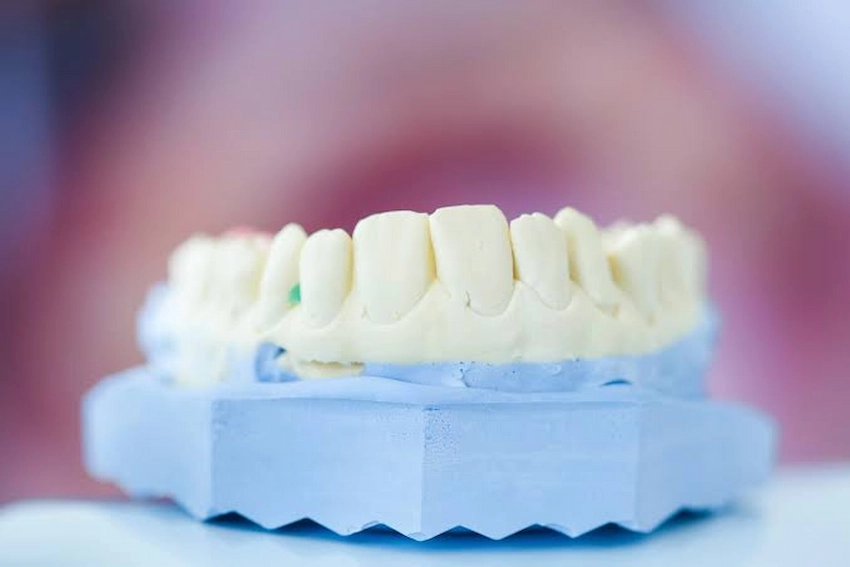
Sus Opciones Comparadas
| Método de Estabilización | Rutina Diaria | Comodidad/Variabilidad | Protección del Hueso Maxilar | ¿Qué tan bueno a largo plazo? |
| Prótesis estándar con adhesivo | Muy Alta (Debe aplicar adhesivo regularmente) | Baja a Media | Sin protección del hueso maxilar ya que se encoge constantemente | ¡Cambiar su elección es mejor! |
| Prótesis de ajuste a presión sobre implantes | Media (Solo limpiar los conectores a presión) | Segura | Media a Alta | Excelente |
| Arcada completa sobre implantes (All-on-4) | Muy Baja (Solo cepille su implante como dientes naturales) | Fija (Fijación permanente) - Excelente | Hueso Maxilar Totalmente Protegido | Excelente |
Preguntas Frecuentes
Referencias Académicas
- Carlsson, G. E. (2014). Implant and root supported overdentures – a literature review and some data on bone loss in edentulous jaws. Journal of Advanced Prosthodontics, 6(4), 245-252.
- Felton, D. A. (2009). Edentulism and comorbid factors. Journal of Prosthodontics, 18(2), 88-96.
- Grasso, J. E. (2004). Denture adhesives: changing attitudes. Journal of the American Dental Association, 135(1), 95-96.
- Polyzois, G. L., & Tzoutzas, I. G. (2006). A clinical evaluation of denture adhesives in the stabilization of mandibular complete dentures. International Journal of Prosthodontics, 19(5), 450-452.
- Zarb, G. A., Hobkirk, J. A., Eckert, S., & Jacob, R. (2012). Prosthodontic Treatment for Edentulous Patients: Complete Dentures and Implant-Supported Prostheses (13th ed.). Mosby.
Preguntas frecuentes
Will my lower denture constantly come loose when I'm eating?
It's your very powerful tongue and cheek muscles that are responsible for it, right? The constant activity of these muscles in chewing food can dislodge the edges of your denture. If the contour of your lower jaw has been flat due to the loss of bone, your lower jaw can hardly support the prosthesis. Those muscles are very strong, and they do lift that little piece of plastic out of its seat easily. In such a case, your prosthesis will definitely be out of place.
Is overuse of glue a possibility?
Yes, absolutely it is. If the adhesive has been spread too much around, it may actually prevent the denture from being in direct contact with the supporting structures. It will work more like a lubricant rather than a bonding agent. You have an example where the denture can actually move freely and cause more problems. So, you'd better do a few tiny dots on the contact surface of the gum with the denture and make them the sole means of support. That will be your best option to hold firmly with the adhesive.
What if I have glue left on my gums? How do I remove it?
Some denture wearers find it very difficult to get rid of glue from the skin, but that's one of those questions with rather complicated answers. Avoid rubbing hard with a stiff brush, since that way is not really helpful. Instead, it is better to use warm water for about a minute to break up the bond that glue is making to the skin. Then, very softly brush your gum with a toothbrush having very soft bristles, or with a warm damp washcloth so any remnants of glue can be wiped away gently.
Is there any recommendation regarding the frequency of adhesive application in a day?
You can do just one single application in the morning and have it work until evening. If you need to reapply it just after a minor lunch and then the main meal, it may point to the fact that your denture has become ill-fitting over time as a result of a shrinking face and jaw, which is not uncommon in the course of years. Such a case deserves your time going to a dentist and being checked if he needs adjustment of the denture, or perhaps the dentist will be able to talk to you about dental implants.
Can I depend on the use of denture adhesive forever?
Only if you keep a so-called denture, which serves as a substitute for the resting jaw. But dentistry these days has brought about some drastic modifications. Just by fixing 2-4 dental implants on the lower jaw i, it becomes possible to snap in the teeth and fix them so strongly that neither pastes nor powders are needed at all.