

Den bedste måde at påføre proteseklæbemiddel på din underkæbeprotese
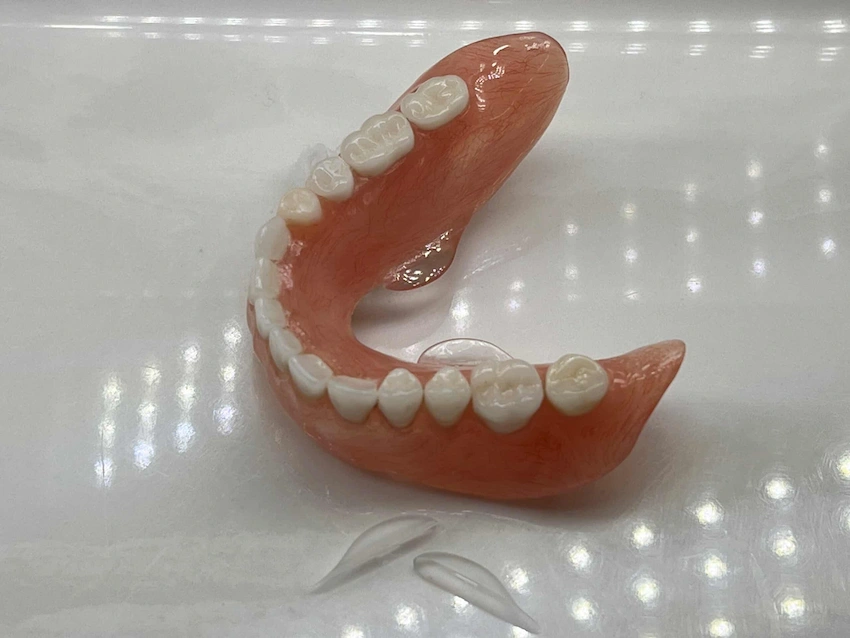
Påfør små prikker af klæbemiddel på en ren, tør underprotese, og undgå kanterne.
Du er sandsynligvis opmærksom på den konstante frustration, som brugere af nedre proteser står over for hver dag. I modsætning til den overprotese, som har et rigeligt ganeparti, hvilket gør det muligt at skabe en slags naturlig vakuumsugning mellem gummen og protesen, udgør den nederste en reel udfordring. Det er en meget smal U-formet alveolær kant, der bevæger sig hele tiden. Derudover presser din tunge og kindmuskler konstant mod disse dele hele dagen. Forsøget på at fastgøre underprotesen uden den korrekte metode svarer til et forsøg på at sejle en kano i en hurtigtstrømmende flod, hvilket alligevel virker umuligt. Nogle gange har en veltilpasset underprotese også brug for ekstra hjælp for at kunne forblive permanent fastgjort. Hos Lema Tandklinik, fandt vi ud af, at korrekt brug af klæbemiddel gør underværker. Du får den selvtillid, du ønsker. Du bliver mester i at tale. Og frem for alt bliver du den, der kan nyde frokosten uden bekymringer.En perfekt pasform
Tankegangen "Mindre er mere" om klæbemiddel
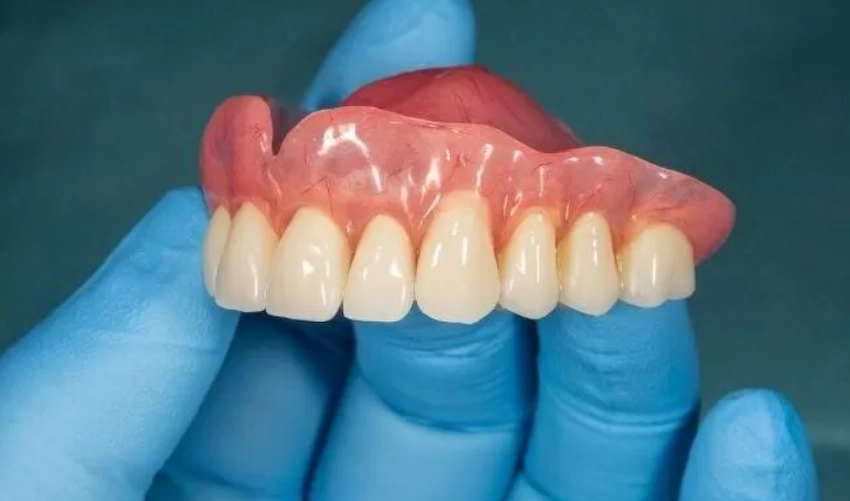
En almindelig fejl er at påføre en generøs mængde pasta i den tro, at det ville resultere i en stærk binding eller i det mindste et godt resultat. Det modsatte er dog tilfældet. Det, du ender med, er et stort rod, og protesen ville sandsynligvis miste sin tætte pasform. Klæbemiddel vil blot være overalt på dine gummer og protesen. Her er vores råd til, hvordan du kan opnå et stærkt hold med klæbemidlet:- Lidt rækker langt: Kun et par ærtstore klæbemiddel dråber placeret i den dybeste del af din protese skulle holde den godt fastgjort.
- Hold den fast: Bid fast på protesen. Hold dit bid let åbent, men ikke for tæt, for at forhindre klæbemidlet i at løbe ind i munden og ud på ydersiden af protesen.
- Bid-sammen-teknikken: Efter du har lagt klæbemidlet i rillen og placeret tandprotesen på gummen, bid forsigtigt sammen, og hold trykket i omkring tredive sekunder. Dette vil få materialet til at binde sig permanent til dine gummer.
Når klæbemidlet mister sit greb
Dine muligheder sammenlignet
| Stabiliseringsmetode | Daglig rutine | Komfort/Variabilitet | Beskyttelse af kæbeknogle | Hvor god på lang sigt? |
| Standardprotese med klæbemiddel | Meget høj (Du skal påføre klæbemiddel regelmæssigt) | Lav til middel | Ingen kæbeknoglebeskyttelse, da den skrumper konstant | Det er bedre at skifte løsning! |
| Implantatunderstøttet klikprotese | Middel (Rengør kun tryklåsene) | Sikker | Middel til høj | Fremragende |
| Implantatunderstøttet helbue (All-on-4) | Meget lav (Børst blot dit implantat som naturlige tænder) | Fast (Permanent fastgørelse) - Fremragende | Fuldt beskyttet kæbeknogle | Fremragende |
Ofte stillede spørgsmål
Akademiske referencer
- Carlsson, G. E. (2014). Implant and root supported overdentures – a literature review and some data on bone loss in edentulous jaws. Journal of Advanced Prosthodontics, 6(4), 245-252.
- Felton, D. A. (2009). Edentulism and comorbid factors. Journal of Prosthodontics, 18(2), 88-96.
- Grasso, J. E. (2004). Denture adhesives: changing attitudes. Journal of the American Dental Association, 135(1), 95-96.
- Polyzois, G. L., & Tzoutzas, I. G. (2006). A clinical evaluation of denture adhesives in the stabilization of mandibular complete dentures. International Journal of Prosthodontics, 19(5), 450-452.
- Zarb, G. A., Hobkirk, J. A., Eckert, S., & Jacob, R. (2012). Prosthodontic Treatment for Edentulous Patients: Complete Dentures and Implant-Supported Prostheses (13th ed.). Mosby.
Ofte stillede spørgsmål
Will my lower denture constantly come loose when I'm eating?
It's your very powerful tongue and cheek muscles that are responsible for it, right? The constant activity of these muscles in chewing food can dislodge the edges of your denture. If the contour of your lower jaw has been flat due to the loss of bone, your lower jaw can hardly support the prosthesis. Those muscles are very strong, and they do lift that little piece of plastic out of its seat easily. In such a case, your prosthesis will definitely be out of place.
Is overuse of glue a possibility?
Yes, absolutely it is. If the adhesive has been spread too much around, it may actually prevent the denture from being in direct contact with the supporting structures. It will work more like a lubricant rather than a bonding agent. You have an example where the denture can actually move freely and cause more problems. So, you'd better do a few tiny dots on the contact surface of the gum with the denture and make them the sole means of support. That will be your best option to hold firmly with the adhesive.
What if I have glue left on my gums? How do I remove it?
Some denture wearers find it very difficult to get rid of glue from the skin, but that's one of those questions with rather complicated answers. Avoid rubbing hard with a stiff brush, since that way is not really helpful. Instead, it is better to use warm water for about a minute to break up the bond that glue is making to the skin. Then, very softly brush your gum with a toothbrush having very soft bristles, or with a warm damp washcloth so any remnants of glue can be wiped away gently.
Is there any recommendation regarding the frequency of adhesive application in a day?
You can do just one single application in the morning and have it work until evening. If you need to reapply it just after a minor lunch and then the main meal, it may point to the fact that your denture has become ill-fitting over time as a result of a shrinking face and jaw, which is not uncommon in the course of years. Such a case deserves your time going to a dentist and being checked if he needs adjustment of the denture, or perhaps the dentist will be able to talk to you about dental implants.
Can I depend on the use of denture adhesive forever?
Only if you keep a so-called denture, which serves as a substitute for the resting jaw. But dentistry these days has brought about some drastic modifications. Just by fixing 2-4 dental implants on the lower jaw i, it becomes possible to snap in the teeth and fix them so strongly that neither pastes nor powders are needed at all.