

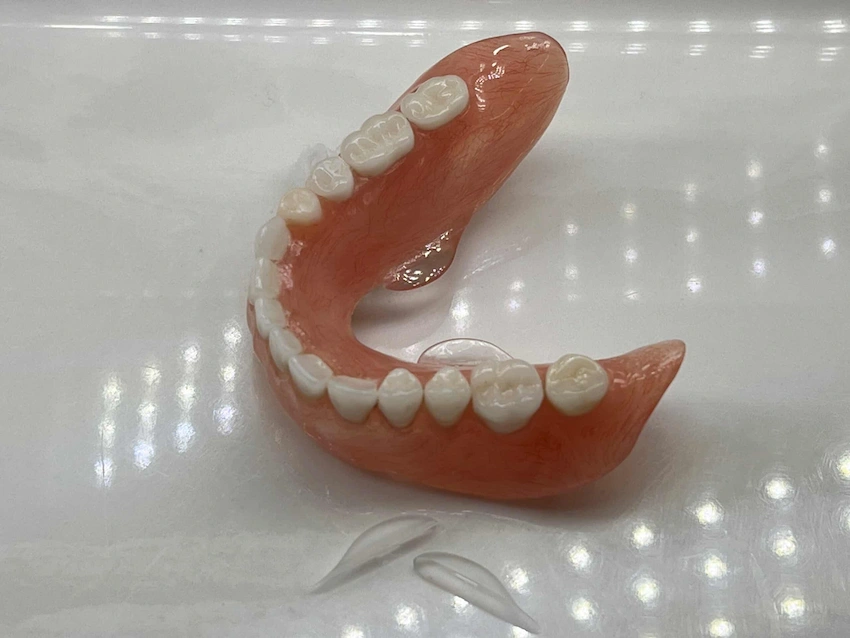
Labākais veids, kā uzklāt protēžu līmi uz jūsu apakšējās protēzes
Uzklājiet nelielus līmes punktus uz tīras, sausas apakšējās protēzes, izvairoties no malām.
Jūs, iespējams, apzināties pastāvīgo vilšanos, ko apakšējo zobu protēžu valkātāji piedzīvo katru dienu. Atšķirībā no augšējās protēzes, kurai ir plaša aukslēju zona, kas ļauj radīt sava veida dabisku vakuuma piesūcekni starp smaganām un protēzi, apakšējā protēze rada īstu izaicinājumu. Tā ir ļoti šaura U veida alveolārā mala, kas visu laiku kustas. Turklāt jūsu mēle un vaigu muskuļi visu dienu pastāvīgi spiež pret šīm daļām. Mēģinājums nostiprināt apakšējo protēzi bez pareizas metodes ir līdzīgs centienam laivot ar kanoe ātri plūstošā upē, kas jebkurā gadījumā šķiet neiespējami. Dažreiz arī labi pielāgotai apakšējai protēzei ir nepieciešama papildu palīdzība, lai tā varētu palikt pastāvīgi fiksēta. Lemas zobārstniecības klīnikā, mēs atklājām, ka pareiza līmes lietošana dara brīnumus. Jūs iegūstat vēlamo pārliecību. Jūs kļūstat par runas meistaru. Un, pats galvenais, jūs kļūstat par to, kurš var labi pavadīt laiku pusdienās bez jebkādām raizēm.Perfekta piegulēšana
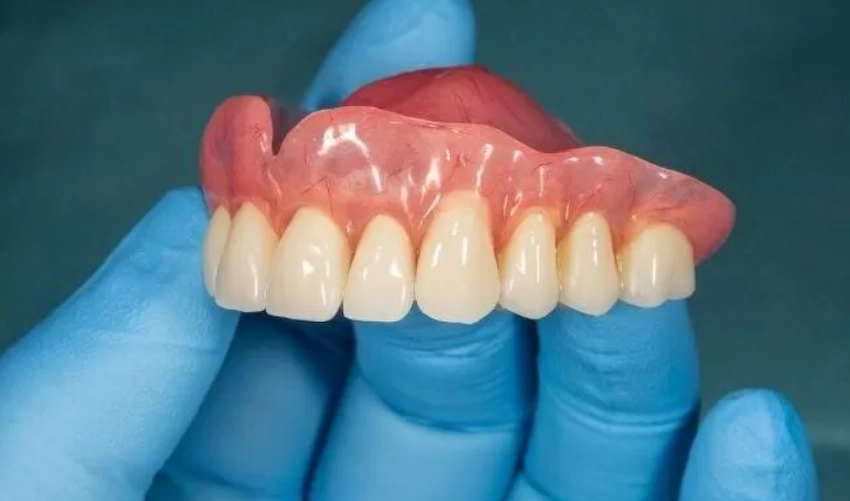
Domāšana par līmi: "Mazāk ir vairāk"
Bieži pieļauta kļūda ir liela daudzuma pastas uzklāšana, domājot, ka tas nodrošinās spēcīgu saķeri vai vismaz labu rezultātu. Tomēr ir tieši pretēji. Galu galā jūs iegūstat lielu nekārtību, un protēze, visticamāk, zaudēs savu ciešo piegulēšanu. Līme būs visur uz jūsu smaganām un protēzes. Šeit ir mūsu padomi, kā panākt spēcīgu noturību ar līmējošo līmi:- Mazāk ir vairāk: Tikai pāris zirņa lieluma līmējošās līmes pilieni, kas ievietoti protēzes dziļākajā daļā, nodrošinās tās labu nostiprināšanu.
- Turiet to stabili: Stingri sakodiet protēzi. Turiet sakodienu nedaudz atvērtu, bet ne pārāk cieši, lai novērstu līmes ieplūšanu mutē un ārpus protēzes.
- Sakodiena tehnika: Pēc tam, kad esat ievietojis līmi rievā un novietojis zobu protēzi uz smaganām, maigi sakodiet un aptuveni trīsdesmit sekundes pielieciet spiedienu. Tas nodrošinās materiāla pastāvīgu saķeri ar jūsu smaganām.
Kad līme zaudē savu noturību
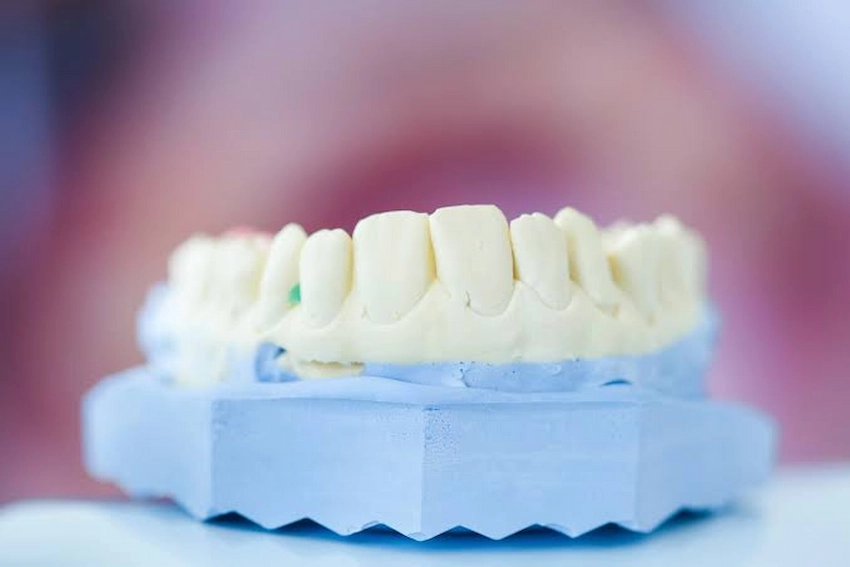
Jūsu iespēju salīdzinājums
| Stabilizācijas metode | Ikdienas rutīna | Komforts/ Mainīgums | Žokļa kaula aizsardzība | Cik labi ilgtermiņā? |
| Standarta protēze ar līmi | Ļoti augsta (Līme jāuzklāj regulāri) | Zema līdz vidēja | Nav žokļa kaula aizsardzības, jo tas pastāvīgi sarūk | Labāk mainīt savu izvēli! |
| Implantu atbalstīta fiksējamā protēze | Vidēja (Tīriet tikai fiksācijas savienojumus) | Droša | Vidēja līdz augsta | Izcila |
| Implantu atbalstīta pilna loka protēze (All-on-4) | Ļoti zema (Vienkārši tīriet implantu kā dabiskos zobus) | Fiksēta (Pastāvīga piestiprināšana) – Izcila | Pilnībā aizsargāts žokļa kauls | Izcila |
Biežāk uzdotie jautājumi
Akadēmiskās atsauces
- Carlsson, G. E. (2014). Implant and root supported overdentures – a literature review and some data on bone loss in edentulous jaws. Journal of Advanced Prosthodontics, 6(4), 245-252.
- Felton, D. A. (2009). Edentulism and comorbid factors. Journal of Prosthodontics, 18(2), 88-96.
- Grasso, J. E. (2004). Denture adhesives: changing attitudes. Journal of the American Dental Association, 135(1), 95-96.
- Polyzois, G. L., & Tzoutzas, I. G. (2006). A clinical evaluation of denture adhesives in the stabilization of mandibular complete dentures. International Journal of Prosthodontics, 19(5), 450-452.
- Zarb, G. A., Hobkirk, J. A., Eckert, S., & Jacob, R. (2012). Prosthodontic Treatment for Edentulous Patients: Complete Dentures and Implant-Supported Prostheses (13th ed.). Mosby.
Biežāk uzdotie jautājumi
Will my lower denture constantly come loose when I'm eating?
It's your very powerful tongue and cheek muscles that are responsible for it, right? The constant activity of these muscles in chewing food can dislodge the edges of your denture. If the contour of your lower jaw has been flat due to the loss of bone, your lower jaw can hardly support the prosthesis. Those muscles are very strong, and they do lift that little piece of plastic out of its seat easily. In such a case, your prosthesis will definitely be out of place.
Is overuse of glue a possibility?
Yes, absolutely it is. If the adhesive has been spread too much around, it may actually prevent the denture from being in direct contact with the supporting structures. It will work more like a lubricant rather than a bonding agent. You have an example where the denture can actually move freely and cause more problems. So, you'd better do a few tiny dots on the contact surface of the gum with the denture and make them the sole means of support. That will be your best option to hold firmly with the adhesive.
What if I have glue left on my gums? How do I remove it?
Some denture wearers find it very difficult to get rid of glue from the skin, but that's one of those questions with rather complicated answers. Avoid rubbing hard with a stiff brush, since that way is not really helpful. Instead, it is better to use warm water for about a minute to break up the bond that glue is making to the skin. Then, very softly brush your gum with a toothbrush having very soft bristles, or with a warm damp washcloth so any remnants of glue can be wiped away gently.
Is there any recommendation regarding the frequency of adhesive application in a day?
You can do just one single application in the morning and have it work until evening. If you need to reapply it just after a minor lunch and then the main meal, it may point to the fact that your denture has become ill-fitting over time as a result of a shrinking face and jaw, which is not uncommon in the course of years. Such a case deserves your time going to a dentist and being checked if he needs adjustment of the denture, or perhaps the dentist will be able to talk to you about dental implants.
Can I depend on the use of denture adhesive forever?
Only if you keep a so-called denture, which serves as a substitute for the resting jaw. But dentistry these days has brought about some drastic modifications. Just by fixing 2-4 dental implants on the lower jaw i, it becomes possible to snap in the teeth and fix them so strongly that neither pastes nor powders are needed at all.