

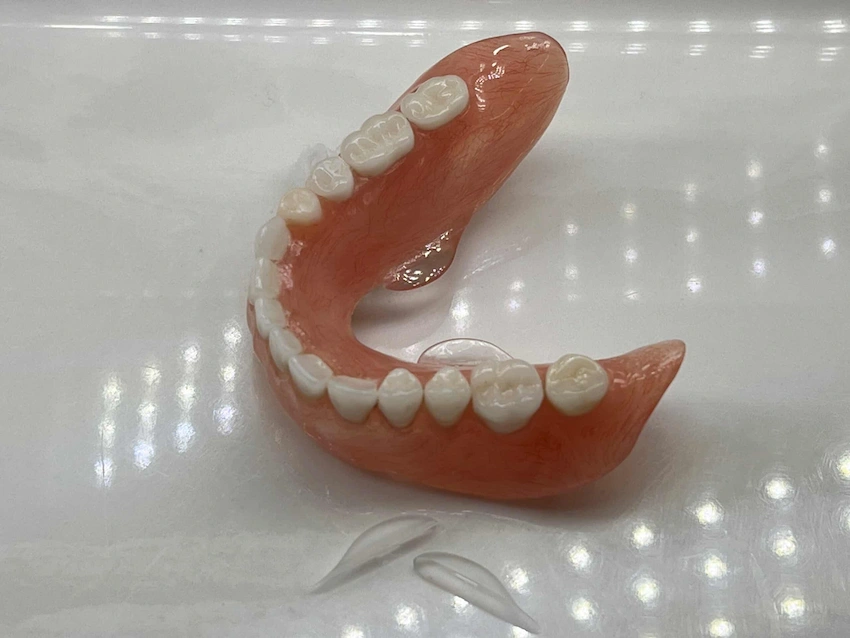
Aplicare adeziv optimă proteză inferioară
Aplicați puncte mici de adeziv pe o proteză dentară inferioară curată și uscată și evitați marginile.
Probabil că sunteți conștient de frustrarea constantă pe care purtători de proteze inferioare o întâmpină zilnic. Spre deosebire de proteza dentară superioară, care are o zonă amplă a boltei palatine, permițând crearea unui fel de ventuză naturală de aspirație între gingie și proteză, cea inferioară prezintă o adevărată provocare. Este o margine alveolară foarte îngustă, în formă de U, care se mișcă în permanență. În plus, limba și mușchii obrajilor apasă constant pe aceste părți pe parcursul zilei. Încercarea de a fixa proteza dentară inferioară** fără metoda corectă este similară cu efortul de a pluti cu o canoe pe un râu cu curent rapid, ceea ce oricum pare imposibil. Uneori, o proteză dentară inferioară bine adaptată are nevoie și de un ajutor suplimentar pentru a rămâne fixată permanent. La Clinica Stomatologică Lema, am descoperit că utilizarea corectă a adezivului face minuni. Obțineți încrederea pe care o doriți. Deveniți stăpânul vorbirii. Și, mai presus de toate, deveniți persoana care se poate bucura de prânz fără nicio anxietate.O Potrivire Perfectă
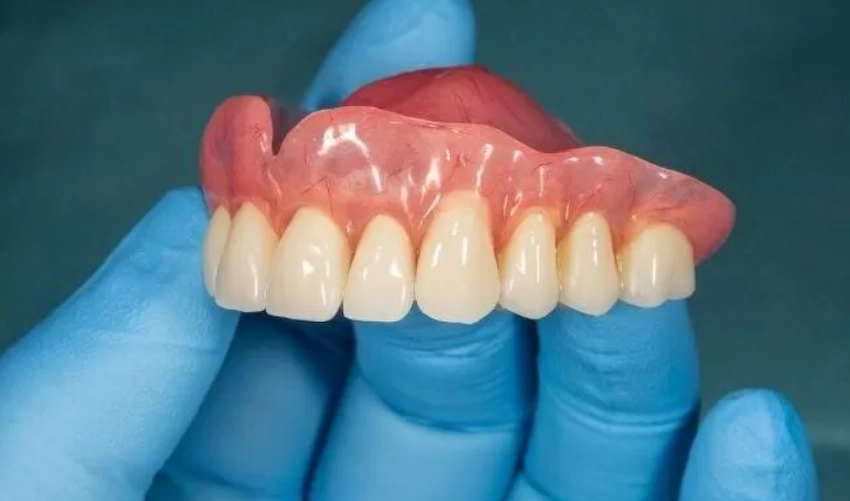
Filozofia "Mai puțin înseamnă mai mult" în aplicarea adezivului
O greșeală comună este aplicarea unei cantități generoase de pastă, crezând că aceasta ar duce la o aderență puternică sau cel puțin la un rezultat bun. Cu toate acestea, este exact invers. Ceea ce veți obține este o mare mizerie, iar proteza și-ar pierde probabil fixarea strânsă. Adezivul va fi peste tot pe gingii și pe proteză. Iată sfatul nostru despre cum puteți obține o fixare puternică cu adezivul dentar:- Puțin înseamnă mult: Doar câteva picături de adeziv dentar de mărimea unui bob de mazăre, plasate în cea mai adâncă parte a protezei, ar trebui să o mențină bine fixată.
- Mențineți-o stabilă: Mușcați ferm pe proteză. Mențineți mușcătura ușor deschisă, dar nu prea strânsă, pentru a preveni scurgerea adezivului în gură și în afara protezei.
- Tehnica de mușcare împreună: După ce ați aplicat adezivul în șanț și ați așezat proteza dentară pe gingie, mușcați ușor și aplicați presiune timp de aproximativ treizeci de secunde. Acest lucru ar face ca materialul să se lipească permanent de gingii.
Când adezivul își pierde aderența
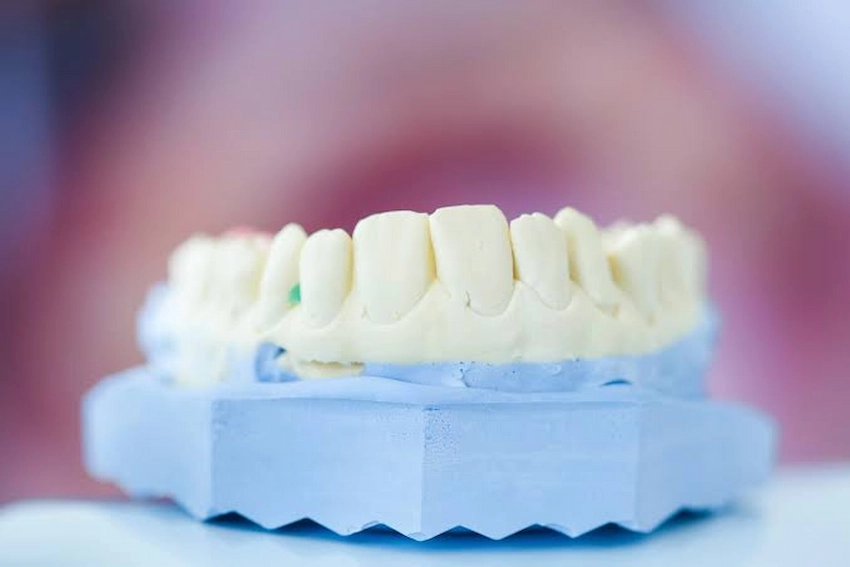
Opțiunile dumneavoastră comparate
| Metoda de Stabilizare | Rutina Zilnică | Confort/ Variabilitate | Protecție pentru Osul Maxilar | Cât de bună pe termen lung? |
| Proteză standard cu adeziv | Foarte Ridicată (Trebuie să aplicați adeziv regulat) | Scăzută spre Medie | Fără protecție pentru osul maxilar, deoarece se micșorează constant | Schimbarea opțiunii este mai bună! |
| Proteză fixată pe implanturi (tip "snap-in") | Medie (Doar curățați sistemele de prindere) | Sigură | Medie spre Ridicată | Excelentă |
| Arcadă completă susținută de implanturi (All-on-4) | Foarte Scăzută (Doar periați implantul ca pe dinții naturali) | Fixă (Atașament permanent) - Excelentă | Osul Maxilar Complet Protejat | Excelentă |
Întrebări Frecvente
Referințe Academice
- Carlsson, G. E. (2014). Proteze totale supraimplantare și supra-radiculare – o revizuire a literaturii și câteva date despre pierderea osoasă în maxilarele edentate. Journal of Advanced Prosthodontics, 6(4), 245-252.
- Felton, D. A. (2009). Edentația și factorii comorbizi. Journal of Prosthodontics, 18(2), 88-96.
- Grasso, J. E. (2004). Adezivi pentru proteze dentare: schimbarea atitudinilor. Journal of the American Dental Association, 135(1), 95-96.
- Polyzois, G. L., & Tzoutzas, I. G. (2006). O evaluare clinică a adezivilor pentru proteze dentare în stabilizarea protezelor totale mandibulare. International Journal of Prosthodontics, 19(5), 450-452.
- Zarb, G. A., Hobkirk, J. A., Eckert, S., & Jacob, R. (2012). Tratamentul Protetic pentru Pacienții Edentați: Proteze Totale și Proteze Susținute de Implanturi (Ed. a 13-a). Mosby.
Întrebări frecvente
Will my lower denture constantly come loose when I'm eating?
It's your very powerful tongue and cheek muscles that are responsible for it, right? The constant activity of these muscles in chewing food can dislodge the edges of your denture. If the contour of your lower jaw has been flat due to the loss of bone, your lower jaw can hardly support the prosthesis. Those muscles are very strong, and they do lift that little piece of plastic out of its seat easily. In such a case, your prosthesis will definitely be out of place.
Is overuse of glue a possibility?
Yes, absolutely it is. If the adhesive has been spread too much around, it may actually prevent the denture from being in direct contact with the supporting structures. It will work more like a lubricant rather than a bonding agent. You have an example where the denture can actually move freely and cause more problems. So, you'd better do a few tiny dots on the contact surface of the gum with the denture and make them the sole means of support. That will be your best option to hold firmly with the adhesive.
What if I have glue left on my gums? How do I remove it?
Some denture wearers find it very difficult to get rid of glue from the skin, but that's one of those questions with rather complicated answers. Avoid rubbing hard with a stiff brush, since that way is not really helpful. Instead, it is better to use warm water for about a minute to break up the bond that glue is making to the skin. Then, very softly brush your gum with a toothbrush having very soft bristles, or with a warm damp washcloth so any remnants of glue can be wiped away gently.
Is there any recommendation regarding the frequency of adhesive application in a day?
You can do just one single application in the morning and have it work until evening. If you need to reapply it just after a minor lunch and then the main meal, it may point to the fact that your denture has become ill-fitting over time as a result of a shrinking face and jaw, which is not uncommon in the course of years. Such a case deserves your time going to a dentist and being checked if he needs adjustment of the denture, or perhaps the dentist will be able to talk to you about dental implants.
Can I depend on the use of denture adhesive forever?
Only if you keep a so-called denture, which serves as a substitute for the resting jaw. But dentistry these days has brought about some drastic modifications. Just by fixing 2-4 dental implants on the lower jaw i, it becomes possible to snap in the teeth and fix them so strongly that neither pastes nor powders are needed at all.