

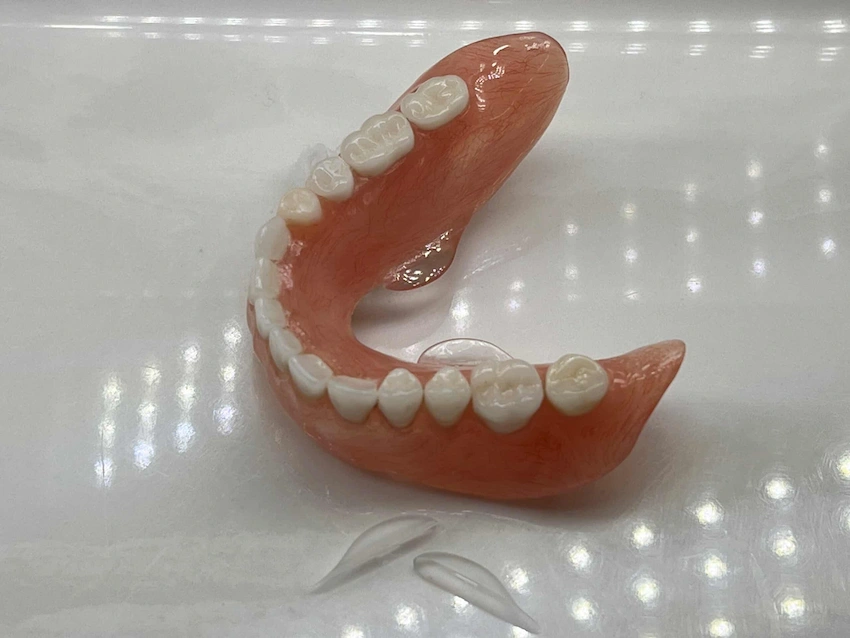
Geriausias būdas užtepti klijus ant apatinio protezo
Tepkite nedidelius klijų taškelius ant švaraus, sauso apatinio dantų protezo ir venkite kraštų.
Jūs tikriausiai žinote apie nuolatinį nusivylimą, su kuriuo apatinių dantų protezų nešiotojai susiduria kasdien. Skirtingai nei viršutinis protezas, kuris turi pakankamai didelį gomurio plotą, leidžiantį sukurti natūralų vakuuminį siurbtuką tarp dantenų ir protezo, apatinis protezas kelia tikrą iššūkį. Tai labai siauras U formos alveolinis kraštas, kuris nuolat juda. Be to, jūsų liežuvis ir skruostų raumenys visą dieną nuolat spaudžia šias dalis. Bandymas pritvirtinti apatinį protezą be tinkamo metodo prilygsta bandymui plukdyti kanoją greitai tekančioje upėje, o tai atrodo neįmanoma. Kartais, gerai pritaikytam apatiniam protezui taip pat reikia papildomos pagalbos, kad jis galėtų nuolat tvirtai laikytis. Lemos odontologijos klinikoje, išsiaiškinome, kad tinkamas klijų naudojimas daro stebuklus. Jūs įgyjate norimą pasitikėjimą. Jūs tampate kalbos meistru. Ir svarbiausia, jūs tampate tuo, kuris gali gerai praleisti laiką pietų metu be jokių nerimų.Tobulas pritaikymas
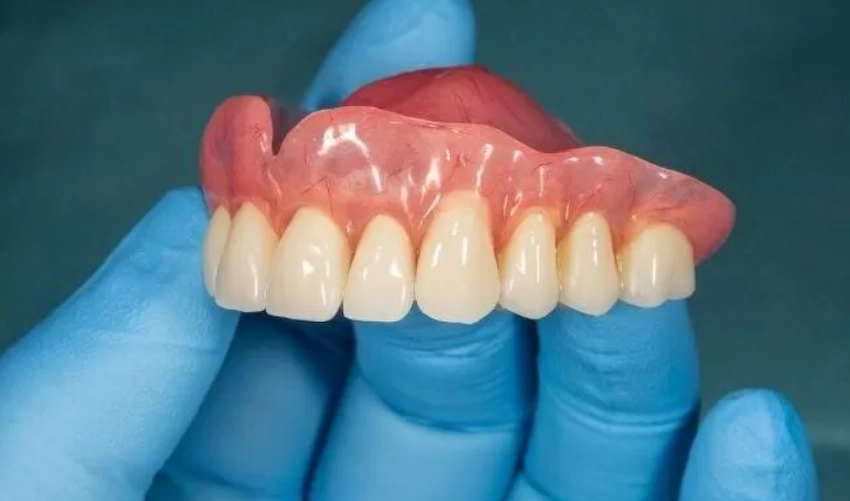
„Mažiau yra daugiau“ klijų filosofija
Dažna klaida yra užtepti gausų kiekį pastos, manant, kad tai užtikrins stiprų sukibimą arba bent jau gerą rezultatą. Tačiau yra priešingai. Galų gale gausite didelę netvarką, o protezas tikriausiai prarastų savo tvirtą prigludimą. Klijai bus visur ant jūsų dantenų ir protezo. Štai mūsų patarimai, kaip galite pasiekti tvirtą sukibimą su klijais:- Mažas kiekis – didelis efektas: Tik pora žirnio dydžio klijų lašelių, užteptų giliausioje protezo vietoje, turėtų jį gerai pritvirtinti.
- Tvirtai laikykite: Tvirtai sukąskite protezą. Laikykite sukandimą šiek tiek atvirą, bet ne per daug uždarą, kad klijai nepatektų į burną ir už protezo ribų.
- Sukandimo technika: Įdėję klijus į griovelį ir uždėję dantų protezą ant dantenų, švelniai sukąskite ir palaikykite spaudimą apie trisdešimt sekundžių. Tai padėtų medžiagai visam laikui prisitvirtinti prie jūsų dantenų.
Kai klijai praranda sukibimą
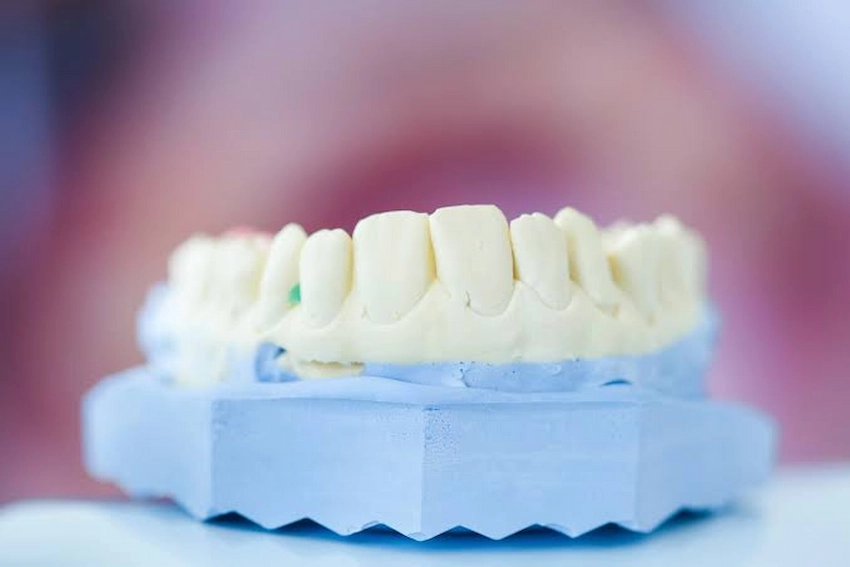
Jūsų galimybės palyginus
| Stabilizavimo metodas | Kasdienė rutina | Komfortas / Kintamumas | Žandikaulio kaulo apsauga | Kiek gerai ilgalaikėje perspektyvoje? |
| Standartinis protezas su klijais | Labai didelė (Klijus reikia tepti reguliariai) | Žemas iki vidutinio | Nėra žandikaulio kaulo apsaugos, nes jis nuolat traukiasi | Geriau pakeisti pasirinkimą! |
| Implantais paremtas prisegamas protezas | Vidutinė (Valyti tik prisegimo jungtis) | Saugus | Vidutinė iki aukštos | Puikus |
| Implantais paremtas viso lanko protezas (All-on-4) | Labai maža (Tiesiog valykite implantą kaip natūralius dantis) | Fiksuotas (Nuolatinis tvirtinimas) – Puikus | Visiškai apsaugotas žandikaulio kaulas | Puikus |
Dažniausiai užduodami klausimai
Mokslinės nuorodos
- Carlsson, G. E. (2014). Implantais ir šaknimis paremti overprotezai – literatūros apžvalga ir kai kurie duomenys apie kaulų nykimą bedančiuose žandikauliuose. Journal of Advanced Prosthodontics, 6(4), 245-252.
- Felton, D. A. (2009). Bedantystė ir gretutiniai veiksniai. Journal of Prosthodontics, 18(2), 88-96.
- Grasso, J. E. (2004). Dantų protezų klijai: besikeičiančios nuostatos. Journal of the American Dental Association, 135(1), 95-96.
- Polyzois, G. L., & Tzoutzas, I. G. (2006). Klinikinis dantų protezų klijų įvertinimas apatinių pilnų protezų stabilizavimui. International Journal of Prosthodontics, 19(5), 450-452.
- Zarb, G. A., Hobkirk, J. A., Eckert, S., & Jacob, R. (2012). Protezavimas bedančiams pacientams: pilni protezai ir implantais paremtos protezų konstrukcijos (13th ed.). Mosby.
Dažniausiai užduodami klausimai
Will my lower denture constantly come loose when I'm eating?
It's your very powerful tongue and cheek muscles that are responsible for it, right? The constant activity of these muscles in chewing food can dislodge the edges of your denture. If the contour of your lower jaw has been flat due to the loss of bone, your lower jaw can hardly support the prosthesis. Those muscles are very strong, and they do lift that little piece of plastic out of its seat easily. In such a case, your prosthesis will definitely be out of place.
Is overuse of glue a possibility?
Yes, absolutely it is. If the adhesive has been spread too much around, it may actually prevent the denture from being in direct contact with the supporting structures. It will work more like a lubricant rather than a bonding agent. You have an example where the denture can actually move freely and cause more problems. So, you'd better do a few tiny dots on the contact surface of the gum with the denture and make them the sole means of support. That will be your best option to hold firmly with the adhesive.
What if I have glue left on my gums? How do I remove it?
Some denture wearers find it very difficult to get rid of glue from the skin, but that's one of those questions with rather complicated answers. Avoid rubbing hard with a stiff brush, since that way is not really helpful. Instead, it is better to use warm water for about a minute to break up the bond that glue is making to the skin. Then, very softly brush your gum with a toothbrush having very soft bristles, or with a warm damp washcloth so any remnants of glue can be wiped away gently.
Is there any recommendation regarding the frequency of adhesive application in a day?
You can do just one single application in the morning and have it work until evening. If you need to reapply it just after a minor lunch and then the main meal, it may point to the fact that your denture has become ill-fitting over time as a result of a shrinking face and jaw, which is not uncommon in the course of years. Such a case deserves your time going to a dentist and being checked if he needs adjustment of the denture, or perhaps the dentist will be able to talk to you about dental implants.
Can I depend on the use of denture adhesive forever?
Only if you keep a so-called denture, which serves as a substitute for the resting jaw. But dentistry these days has brought about some drastic modifications. Just by fixing 2-4 dental implants on the lower jaw i, it becomes possible to snap in the teeth and fix them so strongly that neither pastes nor powders are needed at all.