Calcium deficiency can be the cause of numerous oral health surprises as we all know calcium is essential to keep bones and teeth strong. The body of course can’t do without it because if it lacks this mineral, then it can go to the cavity of the mouth in a different way. In the case where the calcium deficiency worries were thought to concern only the bones, rest assured that it could also be your other oral parts of the body which could be affected.
In the given topic, people will see whether there is a connection between a deficit of calcium in their organism and a good dental condition, what are the warning signs of the illness, and what are the possible ways of preventing or curing this disease that will keep their teeth white and strong.
How Calcium Deficiency Affects Your Teeth
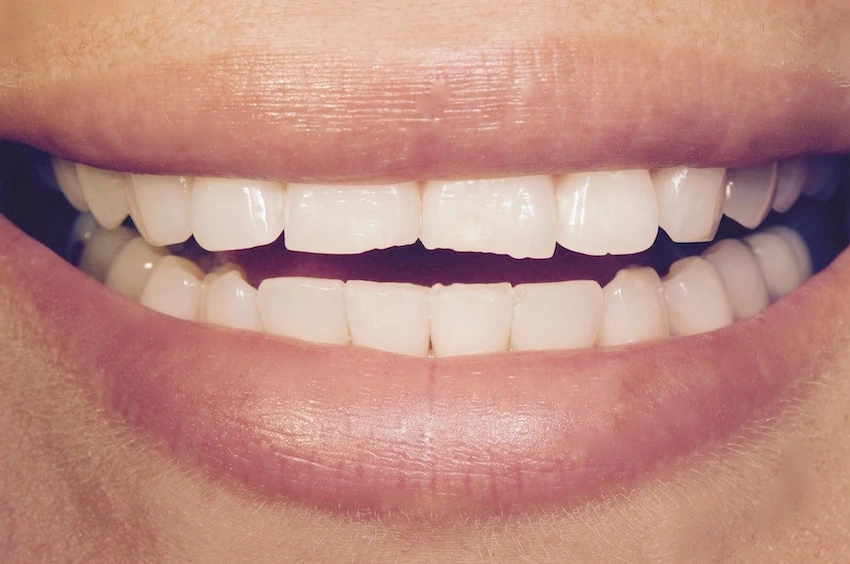
Your teeth are healthy when calcium deficiency is in charge as hard enamel is an important factor in your dental health. An absence of calcium can have quite serious consequences for your dental health, as without calcium the enamel will become resistless and that in turn will cause countless other teeth problems.
Weakened Enamel
Actually, the enamel of the teeth is the most solid human substance, but still, it is subject to mechanical wear. Calcium is used to help build up the enamel and in case of a lack of calcium in the organism otherwise strong teeth would be destroyed. When teeth miss calcium, the enamel starts to soften, and it becomes easier for acids or bacteria to affect the tooth’s structure.
Increased Risk of Cavities
Teeth fixing the process of mineralization with the help of calcium is just an example, which shows that calcium is required for teeth strength. The loss of the repairing function in the teeth due to calcium shortage will result in the inability of the teeth to cope with or fight against the apoptosis process.
This is why people with a shortage of calcium tend to have an increased possibility of cavities and plaque formation. In the calcium deficiency the teeth are more prone to harmful acids, and thus, the erosion of the enamel and the forming of the cavities are more quickly and easily performed.
Gum Disease and Inflammation
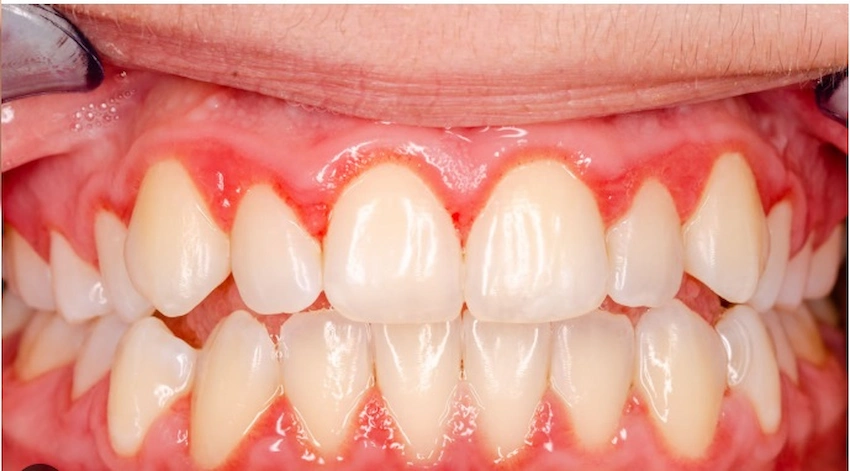
Calcium not only is the teeth’s chief ingredient but also the gums’ guardian. The absence of calcium means the structure that makes your teeth strong will be weak and thereby loose, thus you are at higher risk for getting gum disease (gingivitis).
The swollen gums can not only bleed but also retreat and wrench the teeth. If the condition of the periodontal disease is worse, the bone can also be affected, leading to tooth loss.
Tooth Sensitivity
People who are calcium deficient may also have a tendency towards the feeling of tooth sensitivity. Erosion of the enamel and the demineralization of the dentin underneath can give your teeth the concern of hotness, coldness, or sugar found in food. The source of the discomfort is the result of the enamel being very thin and so the nerve of the tooth is insufficiently protective.
- Initially, you might not realize that your teeth are suffering from a shortage of calcium, but with time, the impact may start to appear more prominently. Among the very frequent and inherent sources of calcium deficiency that may influence badly on your oral health are the following:
- Deeply rooted caries or decaying teeth, despite the regularly conducted oral care that includes tooth brushing and flossing.
- The discoloration of teeth to a yellowish tone originates from the reduced quality of the enamel.
- Receding of gums is also a condition that may be signs of gum disease.
- Discomfort in the teeth because of hot or cold foods and drinks.
The most extreme cases where there are no teeth left to lose given that calcium has caused the bone in the jaw to decay to the extent of injury.
Preventing and Treating Calcium Deficiency for Healthy Teeth
Good news to all of you! You are quite capable of keeping any future calcium deficiency at bay and, if that is not enough, you can also reverse it with ease. It is only through your consistent calcium diet that you can be free from any dental problems that may be brought about by such a lack of it.
Food Sources of Calcium
As it is clear from the provided facts of the diet, people can easily reach the necessary calcium by following a well-balanced eating plan. Dairy foods (milk, cheese, yogurt), green leafy vegetables (kale, spinach), and fortified foods (tofu, cereals, juices) are the major sources of calcium which are available to everybody who wants to have the target met in this issue of the diet.
Moreover, calcium can also come from soy products, which can lead to soy milk, and other soy-containing products. Almond milk, in particular, as well as a few plant-based products with nutrients that have been enhanced by the fortification process are also great options.
Calcium Supplements
In case you are unable to get enough calcium from your food and therefore, a supplement is necessary to fill the gap, then you should consider vitamins. A doctor or a dentist will be the ones who will be able to provide you with the best advice on the right dosage of calcium that is suitable for your age and other underlying issues you may have.
On the other hand, too much calcium in the body can cause trouble to the kidneys, which is an exemplification of what overdosing can do. This basically implies that a professional must be consulted before any sort of supplementation can be set in motion.
Vitamin D for Calcium Absorption
Vitamin D is the key to absorbing calcium in your body. An easy and natural way to get your dose of vitamin D is through direct sunlight. Apart from sunlight, vitamin D can also be found in the form of oily fish, egg yolks, and fortified milk.
Also, those who need to take care of babies for long hours at night, people living in the polar regions and those who are housebound need to ensure that they are exposed to ultraviolet B rays in order to ensure proper vitamin D biosynthesis and calcium absorption. In such cases, the intake of vitamin D supplements is indispensable so that the absorption may be conducted properly.
Regular Dental Visits
Regular dental visits are the utmost essential way to achieve proper oral health always. The doctor can do a check-up of your teeth and gums, on the condition that the fillings are not made up, after the first signs of cavities are determined, they will be treated, and basic treatment options such as the use of fluoride, remineralizing toothpaste, or professional cleaning will be proposed to you, by means of a dialogue through which the enamel and gums will be preserved.
Good Oral Hygiene Practices
If you are taking in calcium naturally with your meals, you may still have to keep your normal dental cleaning schedule. Brushing teeth twice a day with fluoride toothpaste, supporting dental flossing once a day, and the usage of mouthwash can be good in preventing dental caries and plaque. Consequently, for individuals who have the correct idea of teeth maintenance especially those who are under the calcium- deficient group, the hygiene of one’s mouth is quite possible.
FAQs About Calcium Deficiency and Its Effect on Teeth
Calcium is essential for building and maintaining strong tooth enamel. A deficiency can weaken enamel, making teeth more susceptible to cavities, decay, and sensitivity.
Yes, prolonged calcium deficiency can lead to bone loss in the jaw, which can result in loose teeth. If untreated, this can lead to tooth loss.
Yes, weakened enamel due to a lack of calcium can expose the sensitive parts of your teeth, leading to heightened sensitivity, especially to hot, cold, or sweet foods.
Signs include frequent cavities, tooth discoloration, swollen or bleeding gums, tooth sensitivity, and loose teeth. If you notice these symptoms, it’s important to visit a dentist.
The recommended daily intake of calcium varies by age and gender. For most adults, about 1,000 mg to 1,200 mg per day is ideal for bone and teeth health. Pregnant or breastfeeding women may need more.