


Wisdom teeth removal includes anesthesia, extraction, cleaning, and healing.
Making wisdom teeth removal surgery a pretty standard teeth procedure, still, quite a few patients remain curious about the exact sequence of events before, while, and after undergoing the procedure.
To a great degree, the steps in the procedure depend upon your oral condition. To begin with, you will be numb so you remain unaware of any pain. Then, without causing damage to surrounding teeth, your doctor will expose the impacted tooth carefully. Once the tooth has been removed, the affected area may be tender for the first few days, and the dentist may prescribe antibiotics if he/she deems it necessary.
Generally, the patients feel well enough to leave the clinic the same day. A few days after surgery will be when the recovery period peaks in terms of discomfort, as symptoms like mild swelling, soreness in the mouth, and stiffness of the jaw will be expected, though they are considered part of a normal healing curve, and most patients find their body to be back to a pain-free state shortly after.
Wisdom Teeth Extraction
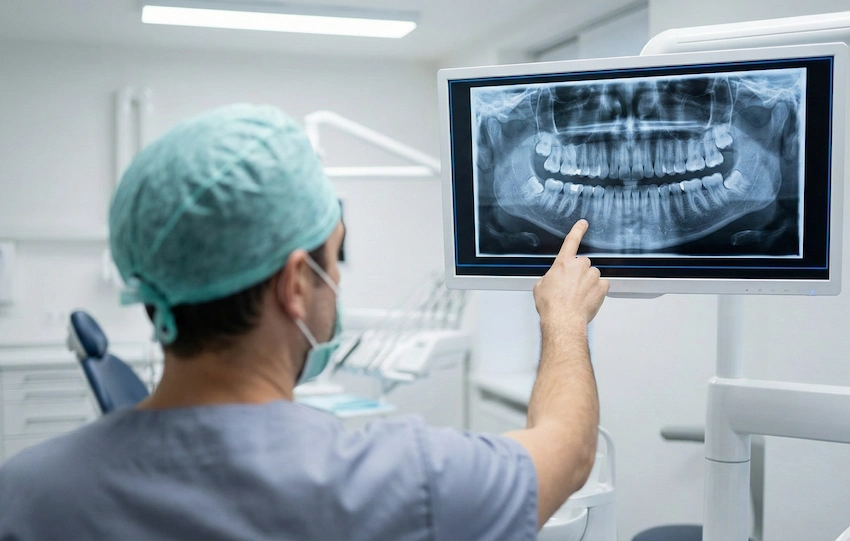
Removing the wisdom teeth is, in essence, the extraction of one or more of those back upper/lower jaw teeth, also known as third molars.
Wisdom teeth usually appear around the period of the late teenage years/early adulthood. However, the condition of the individual varies. Some people can grow them out quite naturally, causing them no issues, but others may find their wisdom teeth impacted due to a lack of a tooth eruption area.
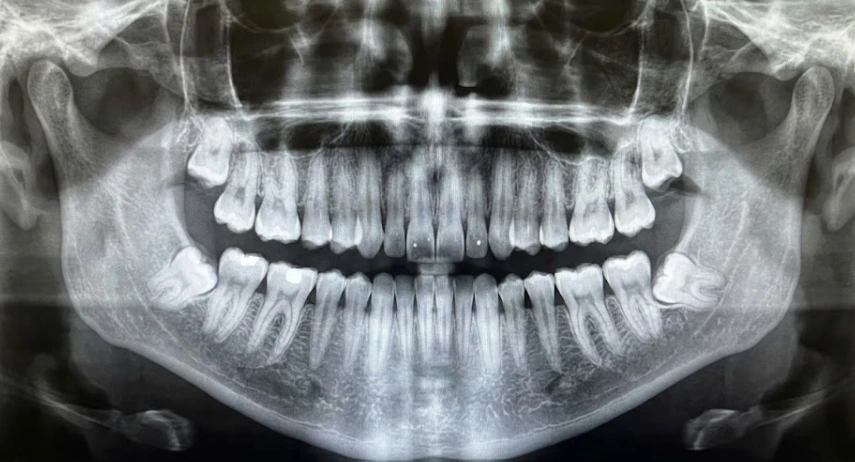
Wisdom Teeth Problems: If impacted, a wisdom tooth can partly be underneath the gum, completely confined inside the jawbone, or erupt the tooth at an angle towards the other one. If left untreated, impacted wisdom teeth can lead to symptoms such as pain, swelling, infection, or pressure exerted on the other teeth.
Why Would I Need This?
We often go for wisdom teeth removal once there is a problem or a risk factor for nearby teeth and gums.
A common reason for removal would be ongoing pain, inflammation of the gums, infection, tooth decay, food trapping, damage around the adjacent teeth, or development of a cyst.
The partially erupted wisdom tooth is quite hard to clean, which allows bacteria and food residue to accumulate in the area.
Note that not every wisdom tooth that’s been growing without causing issues necessarily has to be removed in the future,e as you can simply watch it during your regular dental visits.
Wisdom Teeth Extraction Preparation – What Should I Expect?
The treatment preparation begins by getting dental imaging, including panoramic radiographs, which will show the position of the teeth in the upper and lower jaws. Then, by having an examination and an X-ray, the dentist determines the placement of a patient’s teeth and their relationship with the surrounding bone, nerves, and adjacent teeth.
Tell your dentist if you have:
- Any medical conditions
- Use of medications (prescription or over-the-counter)
- Allergies
- Previous issues with anaesthesia
- Smoking habits
- Being pregnant
Most wisdom teeth surgical removal is done under local anaesthesia, where you remain awake but the surgical area is numb.
Sedation or general anaesthesia options are available for certain individuals. If it’s chosen, your doctor will give you some detailed guidelines on fasting, taking fluids before the procedure, taking medicines, and you will also have to make provisions for transport if needed.
Different Stages of a Wisdom Tooth Extraction
The specific technique for a patient will depend on the location of the tooth. A fully erupted tooth may be removed straightforwardly. Impacted wisdom teeth usually require an incision of the gum or a bone cut (osteotomy).
| Step | What the Dentist Will Do | What a Patient May Experience |
| 1. Local anesthetic | The surgical area will be numbed | Only pressure, not pain, is usually felt |
| 2. Opening | If needed, the gum will be opened so the dentist can access the impacted tooth | The treatment area remains numb |
| 3. Exposure (removal of part of the bone) | A small amount of bone may be removed if needed to access the tooth | You may feel slight pressure or movement |
| 4. Extraction of the tooth | The tooth is removed carefully, either whole or in smaller sections | The procedure may take up to around 45 minutes in more complex cases |
| 5. Cleansing | Debris is removed from the socket and the area is cleaned thoroughly | This is usually a quick part of the procedure |
| 6. Stitching | If needed, the dentist places a few stitches | Dissolvable stitches are commonly used |
In some instances, the dentist will have to break the tooth into smaller pieces for ease of removal and reduction in the cutting of the gum area to make the opening big.
Some extractions take only a few minutes to do, but more challenging ones are bound to take longer.
What Happens After Wisdom Teeth Removal?
After your wisdom tooth has been removed, and the healing has started, you will find a blood clot in your tooth socket. It is this blood clot that will enable healing and protect the bones beneath the gum tissue.
In the first few days, you may notice some blood, swelling, pain, or discoloration on your face. It is a usual condition and generally gets resolved without a problem.
Your swelling might be at its most severe level within the first two to three days. At that point, it usually starts to go away.
Safeguarding the blood clot is a prime concern during this period. Blood clot disintegration is the major symptom that leads to dry sockets, which can trigger more pain.
Dos and Don’ts After Wisdom Tooth Extraction
Among the various factors that determine the outcome of your recovery and the comfort you experience while healing, one critical determinant is your aftercare. After all, the more careful you are about how you look after yourself post-injury or illness, the fewer chances of developing complications you will have.
You should:
- Rest on day 1 if you can
- Use a cold compress if recommended
- Eat only soft foods
- Drink plenty of water
- Wipe your teeth but avoid using strong mouthwash
- Use medicines properly
- Abide by your dentist’s instructions
You should NOT:
- Smoke
- Use a straw
- Rinse aggressively
- Consume hard or chewy foods
- Touch extraction area
- Exercise heavily during early recovery
- Drink alcohol the first day after
The principal idea here is good healing by not irritating the wound.

The removal of a problematic wisdom tooth will probably result in a more comfortable mouth and a higher level of oral health.
If done correctly, extraction of a wisdom tooth can help decrease the occurrence of toothaches as well as gum inflammation. It will also significantly decrease the chance of a repeated infection. Sometimes, removing a problematic wisdom tooth can help protect adjacent teeth, prevent decay, and minimize the risk of getting jaw cysts.
A simple extraction of a problematic wisdom tooth is known to clean and make more accessible the entire mouth area, especially at the back.
We make sure that each wisdom tooth receives detailed examination and is treated as a special case only at Lema Dental Clinic. The dentist will evaluate the wisdom teeth and decide whether to do monitoring or removal.
What Are the Complications Associated with the Extraction Procedure?
Although it is a common procedure to remove wisdom teeth, there are a few complications that might arise
Complications:
- Dry socket
- Infection
- Bleeding that lasts longer
- Gum healing
- Transient numbness
- Numbness of the lips, chin, or tongue
- Stiffness of jaw
There are occasions where the lower jaw bone with wisdom teeth might lie quite near to the nerve. Therefore, the dentist would need to do an X-ray to determine the area before undertaking treatment.
One possible outcome might be a temporary loss of sensation if the nerve is slightly irritated by the process. Usually, you will gain back the full sensation over time. If you have ongoing symptoms, however, that could be a sign of nerve problems that need to be looked at.
In the event you have more severe pain instead of a better one, the size of your swelling is going up, or you become ill, develop a fever, see pus, bleed profusely, or have difficulties in swallowing, please immediately call your dentist.
FAQ
What are the steps carried out during a wisdom tooth removal surgical procedure?
Local anaesthesia is given first to numb the area before the tooth is reached, removed, the socket is cleaned, and stitches may be closed.
Wisdom teeth removal aftercare: What is it?
The formation of a blood clot starts along with the healing. The symptoms of mild swelling, soreness, and jaw stiffness with some bruising are normal for the first few days post-surgery.
How does the extraction of a wisdom tooth go – pain-wise?
Local anesthesia is the main reason that pain is controlled during the operation. The patient might be sensing only the pressure changes and movement, and the sharp pain shouldn’t be experienced.
Wisdom teeth removal: Is day 3 usually the worst?
The height of the swelling is usually reached on the second or third day. Symptoms may start to improve after that period only if they begin to decrease.
After the extraction of a wisdom tooth, what type of food should be taken?
Soft foods are recommended at the beginning stage of healing. Yogurt, eggs, mashed-up vegetables, soft pasta, and similar meals can be eaten without difficulty when there’s some irritation in the healing area.
References
- NHS – Wisdom Tooth Removal
Information about extraction, recovery, aftercare, swelling, and possible complications. - American Association of Oral and Maxillofacial Surgeons – Wisdom Teeth
Patient guidance covering preparation, anaesthesia, surgery, and recovery. - NHS Patient Guidance – Removing Wisdom Teeth
Information about postoperative pain, swelling, bleeding, and healing.

