


We have all experienced it – you turn over in bed, you are ready to say “good morning,” and you immediately understand that your breath could probably let a bird sleep for a couple of hours. Morning breath is not just something that makes you laugh; it is a little something that people almost all the time get, yet few really understand. Why does it happen? Could it be stopped?
A healthy smile that is truly one of the best in the world is not only about taking dazzling photos but also about feeling fresh, confident, and strong every day of the year. The method that Lema Dental Clinic in Istanbul is using is straightforward: a beautiful smile should be as good as it is stunning. In other words, their Hollywood Smile makeovers don’t stop at veneers and whitening—they deliver the health of the teeth and gums to the patients so that the results become both cosmetic and durable.
The Science Behind Morning Breath

Halitosis from morning breath is the effect of a perfect storm caused by the night. During the night, the movements of the tongue and cheek muscles, which normally brush the surfaces of teeth, and the saliva, which provides a natural cleansing, are all reduced. Bacteria are left to multiply and feast on food particles, a reflection of the day’s protein intake, and on dead cells in the mouth without any cleaning action.
Working through the night, these bacteria generate VSCs (volatile sulfur compounds)—smells that are similar to the smell of rotten eggs or decomposing matter. It is like your mouth is a miniature closed greenhouse, now that bacteria can grow without any control. The longer you sleep, the more these vapors get concentrated, and that is why even those with perfect dental care can still get breath not so fresh from sleep.
How Saliva Production Affects Your Breath Overnight
One of the holes behind good oral hygiene is saliva. It is not just “spit”-it is a kind of biological cleaning system that is part of the human body, carrying enzymes that break food into small particles, eliminate bacteria, and even neutralize acids and other harmful substances. However, the consumption of food, speaking, and drinking during the day justify a medium rate of saliva for the mouth.
On the other hand, the body is in a more relaxed state and, as a result, the saliva production can fall up to 90%. This leads to the growth of bacteria in the mouth because they are not prevented by testing. In the case of mouth breathing, the consequences are more severe because a great part of the tongue is exposed, and this causes more severe dryness and a stronger odor when you wake up.
The Role of Bacteria in Bad Breath
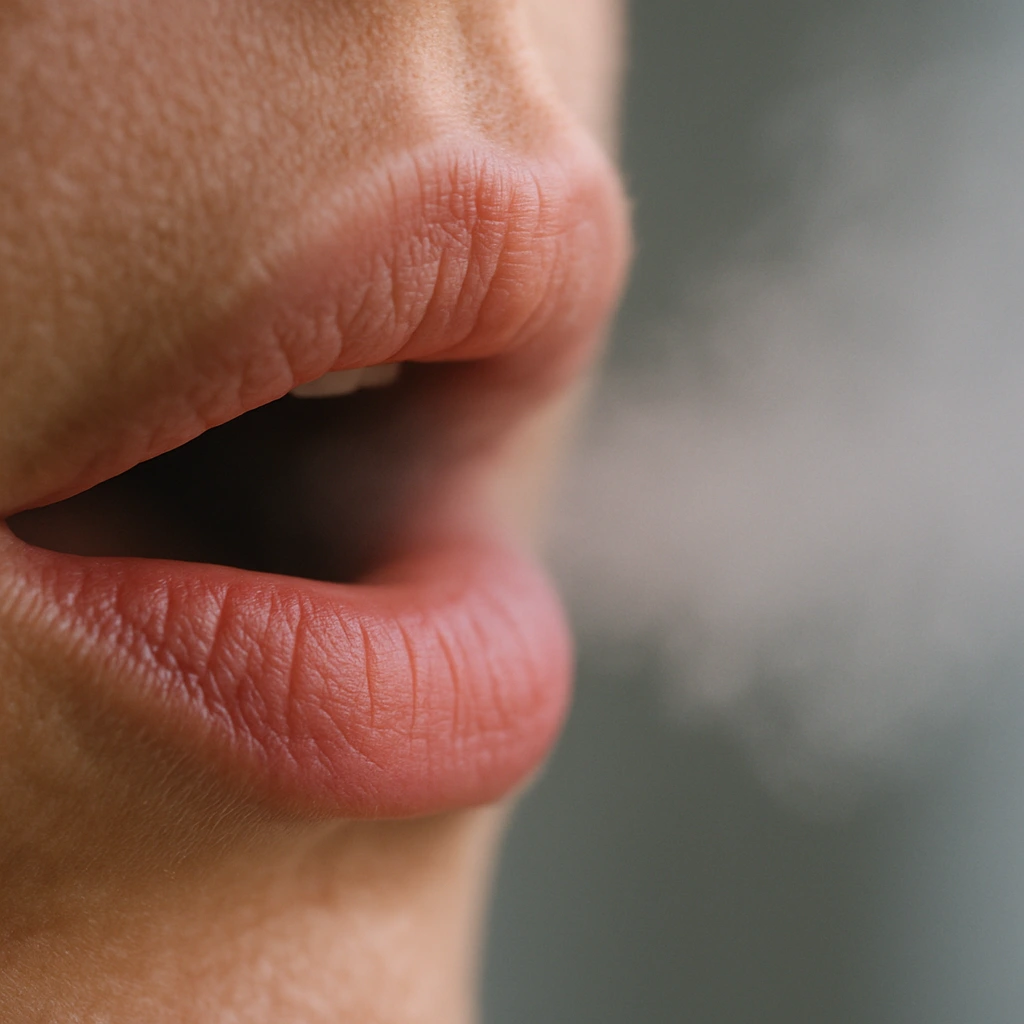
There are more than 700 different types of bacteria in our mouths—most of which are not dangerous, and some of them are even helpful. On the other hand, those bacteria that require no oxygen to live, i.e., anaerobes, are the breath offenders.
The bacteria feast on proteins like food debris, mucin, and dead skin cells that happen to be in your mouth. At that time, they produce the smelly VSCs. The more they have to feast on, the worse your breath will be when you wake up. The poor state of oral hygiene, gum diseases, and dental caries are capable of letting malodorous bacteria increase in numbers, which will then become the main reason for your morning breath to be easily felt.
Foods and Drinks That Make Morning Breath Worse
What and how much you eat and drink during the day will largely determine how nice and fresh your breath will be the following morning. No one can ever forget the two giants: Garlic and onions. They have certain sulfur compounds that get into your bloodstream, travel to your lungs, and thus affect your breath for a long time—like several hours—after you have eaten them.
Sugary food is one of the causes of bad breath that feeds bacteria; meanwhile, acidic foods, like lemon, perfect fruits, wear away enamel and make it easy for bacteria to thrive. Things do not get better with coffee and alcohol—they both dry out your mouth and provide bacteria a comfortable, low-moisture place to multiply. It is the reason that the next day you wake up with an unpleasant surprise because of the late-night glass of wine or coffee cup.
Simple Tips to Reduce Morning Breath
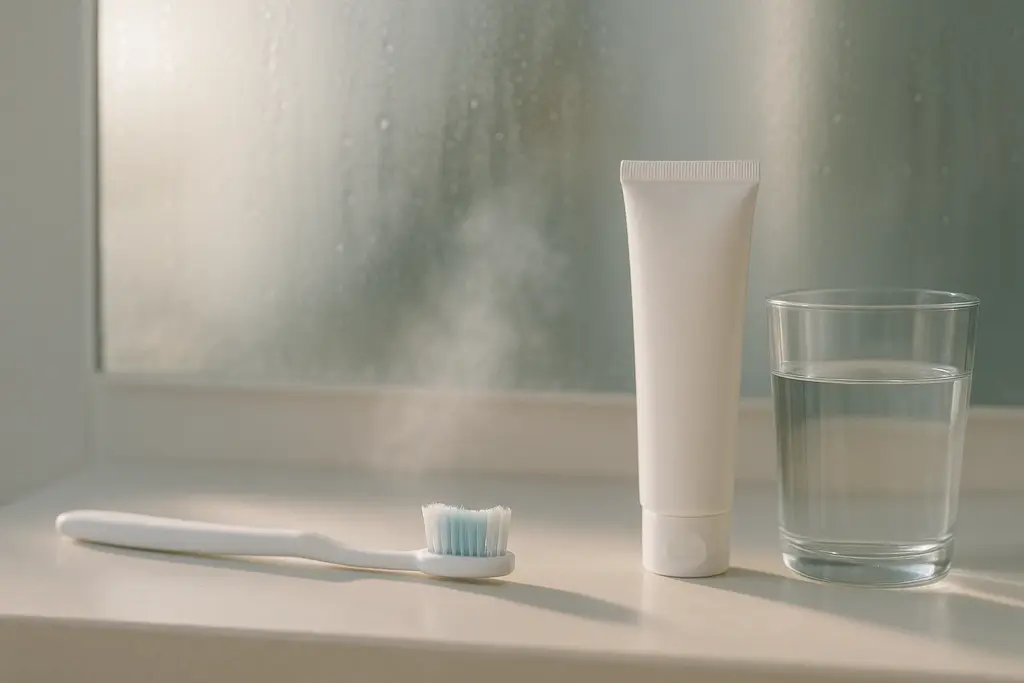
The good thing? Morning breath is not a fate that one can do a lot to diminish. Brushing and flossing thoroughly before bed helps remove leftover food particles, while the tongue’s cleaning removes bacterial buildup that is all over with a toothbrush. In addition, an alcohol-free mouthwash used at night can be a way to bacteria-free without giving the mouth a drying sensation.
Also, hydration is important, and if one drinks water during the day and takes a glass before bed, better saliva flow can be maintained overnight. In the event that you have retainers or night guards, be sure that they are cleaned every day, as they are the ones that can carry the bacteria that cause bad breath. And, of course, regular dental check-ups ensure that any problems—like gum disease or tooth decay—are solved before they turn into chronic odor.
When Morning Breath Could Signal a Bigger Problem
Not accepting the existence of morning breath is a human trait. But in case you do not see it disappearing after brushing, flossing, and rinsing, it would be considered a warning sign. Persistent halitosis may be connected with gum disease, untreated cavities, tonsil stones, sinus infections, or even gastrointestinal conditions.
In such situations, the only way to really get rid of the smell is to treat the root cause. Dentists use their advanced tools and diagnostic procedures to determine exactly what is causing the problem, and then they help you to solve it before it gets out of hand.
Final Thoughts About Hollywood Smile at Lema Dental Clinic
All of these depend on you what kind of veneers and implants will be chosen for you at Lema Dental Clinic, coming from a range of advanced and standard treatments. The professionals employ the latest technology and collaborate with top-rated dentists to make sure every patient leaves not only with a perfect smile but also with the knowledge and means to keep it that way. If you wish to get up with a fresh mouth, a cheerful face, and the kind of smile that will make other people look, then your Lema Dental Clinic journey is here to start.
FAQ
It’s mostly due to reduced saliva flow at night, which allows bacteria to multiply and release odor-causing sulfur compounds.
Brush, floss, and clean your tongue before bed, stay hydrated, and avoid strong-smelling foods at night.
Not necessarily—everyone gets it sometimes, but poor hygiene can make it worse and more persistent.
Yes—garlic, onions, sugary foods, coffee, and alcohol can all intensify bad breath by morning.
If your bad breath persists despite good hygiene, see a dentist to rule out gum disease, decay, or other health issues.

