


The color of one’s teeth is one of the most obvious indicators of health in the mouth and of the oral cavity’s aesthetic appearance. Unlike hair or eye color, which are pretty stable, the color of teeth can change quite a lot over a person’s life. There are people whose teeth are white and even sparkling and on the other hand, there teeth exhibit a wide range of colors such as yellow, gray, or even brown. Changing in tooth colors is a manifestation of genes, enamel and dentin composition, aging, lifestyle, oral hygiene, medical problems, and environmental exposures.
Understanding tooth discoloration is extremely helpful as it enables us to recognize the boundaries between the natural, the disease symptoms, and the ones that can be improved by the dentist.
Biological Aspects of Tooth Color
The visual aspect of the tooth is highly dependent on the following two main structures:
- Enamel: The outermost protective layer, formed of hydroxyapatite crystals. Enamel is of a weakly transparent nature and glows with the light that falls upon it.
- Dentin: The layer situated beneath enamel, which consists of tubules and organic material. Dentin has a yellowish or grayish tint in most cases.
The natural shade of the teeth is the result of the joint operation of enamel and dentin with light. People’s teeth appear whiter when the enamel is dense and heavily mineralized. If the enamel is of low thickness, the dentin layer will be more visible, and the shade will become darker. That is the reason why even the healthiest teeth can be of different colors.
Genetics and Inherited Traits

Genes determine the characteristics of enamel and dentin such as thickness, translucency and the level of minerals. Just as eye or skin color are inherited so is the natural shade of the teeth. One thing the research tells us is that genes related to amelogenesis are influential in enamel development and that enamel decides its ultimate color and structure.
The individuals who suffer from the condition of thin enamel may feel that their teeth look “yellow” even in a perfect situation with no staining and no infection of the teeth. However, it is not an indication of poor hygiene but a genetic variation of normal type.
Age-Related Tooth Color Changes
Several mechanisms are involved in the natural tooth color change with age:
- Enamel thinning – The enamel on the teeth is gradually worn down, by acid erosion and brushing.
- Increased dentin exposure – The yellowish dentin underneath the enamel is the most seen as enamel is getting thinner.
- Microcracks in enamel – These cracks become a source of pigments from food and beverages leading to darker shades.
- Pulp chamber calcification – The pulp chamber shrinks with age, thus the internal light transmission is less and the teeth get darker.
This is why lots of elderly people show a darker or more yellow smile even that they keep good hygiene.
Extrinsic Stains: Surface-Level Discoloration

Lifestyle plays a major role in the formation of extrinsic stains on the enamel of the teeth. These are some of the common causes of the condition:
- Tobacco products – Nicotine and tar are responsible for the production of the most persistent brown or black stains.
- Chromogenic beverages – Coffee, tea, red wine, and cola are both acidic and contain pigments that can easily adhere to enamel.
- Foods with strong colorants – Such as berries, soy sauce, and curry might also have staining compounds that settle on teeth.
- Plaque and biofilm – Bacterial biofilm that develops due to poor oral hygiene can be a source of chromogens, which is the reason for discoloration becoming deeper.
Dentist treatment of dental prophylaxis (scaling and polishing), the most effective and safest way, is the procedure chosen out of all the methods for the elimination of these stains.
Intrinsic Discoloration: Inside the Tooth
Intrinsic discoloration is a condition where the dentin and pulp are affected and cannot be removed by brushing. The main causes are:
- Tetracycline staining – The use of antibiotics during the development of the teeth can result in a permanent gray or brown stain of the teeth.
- Dental fluorosis – If too much fluoride is consumed during the first six years of life, the teeth will have white streaks or brown spots.
- Pulp necrosis or trauma – The process of internal bleeding and tissue breakdown caused by injury or infection can make a tooth lighter.
- Enamel hypoplasia – The defect of the enamel formation in the developmental stage results in irregular coloration and translucency.
- Systemic conditions – Examples of systemically conditions which are inherited genetically and affect tooth color and structure like dentinogenesis imperfecta.
Discoloration that is internal can be a major problem and usually these issues are solved by the use of veneers, crowns, and internal bleaching.
The Role of Oral Hygiene
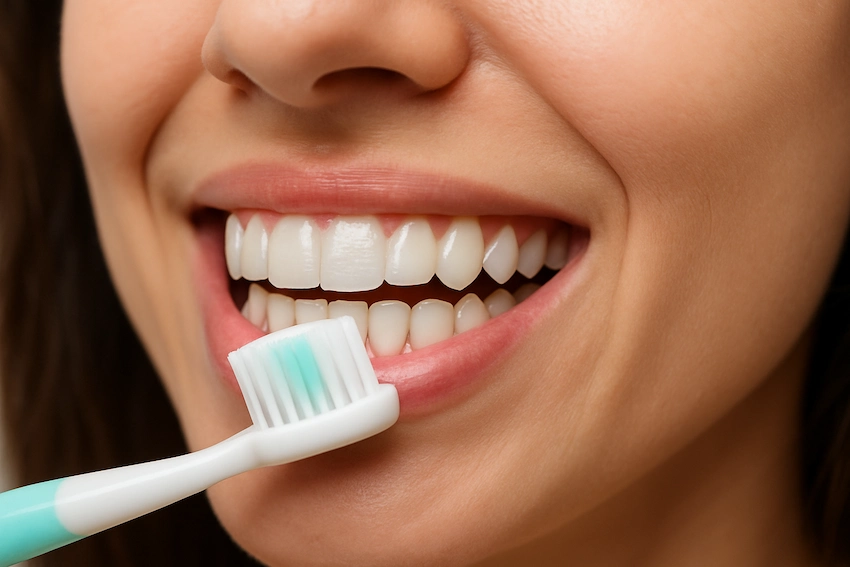
Oral hygiene routines are one of the factors that significantly affect the looks of the teeth through the years. The basis of the prevention of the extrinsic staining are the regular brushing with fluoride toothpaste, flossing and dental visits. A film of plaque that is not completely removed will lead to the development of tartar (calculus) which will be in a position to attract the pigments and therefore the teeth will have a yellow or brown color.
By following evidence-based oral care routines, people get the double benefit of dental health and improved tooth aesthetics.
Medical and Environmental Influences
There are some factors outside and inside the body that lead to tooth color changes over time:
- Chlorhexidine rinses – Using for a prolonged time could bring about brown extrinsic staining.
- Radiation or chemotherapy – The two can change the enamel and dentin structure and thus, the color will also be affected.
- Nutritional deficiencies – A diet deficient in calcium and vitamin D may place the enamel at risk of becoming weak and losing its transparency.
- High mineral content in water – This can be a source of fluorosis in kids.
Such factors give dental professionals the necessary indications to carry out the proper examinations before embarking on any color change treatment.
Professional Treatment Options
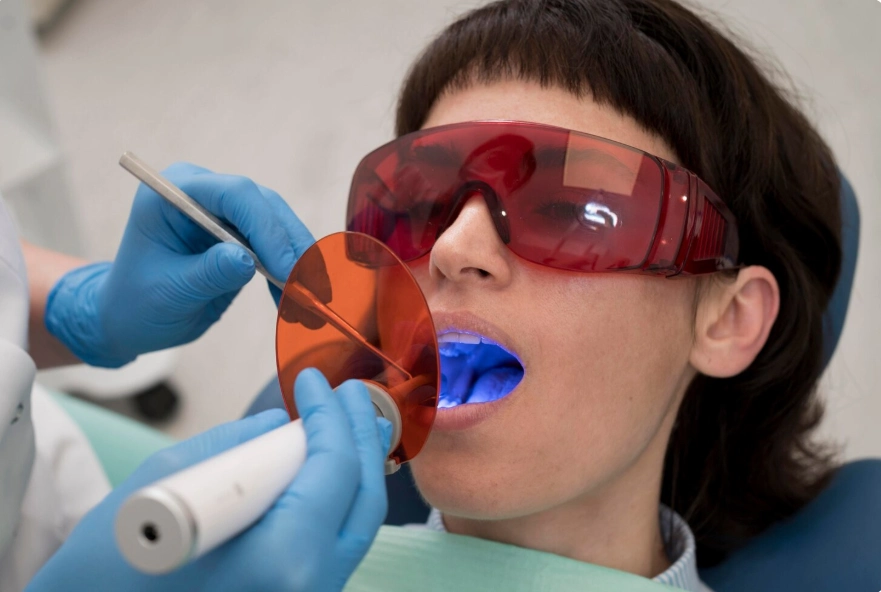
Here is what dentists can offer as solutions for the management of tooth discoloration:
- In-office whitening – Application of peroxide-based bleaching under strict conditions to achieve quick effects.
- Take-home whitening trays – The patient is given custom trays that allow safe whitening at home.
- Dental veneers – These are made of porcelain or composite and are like the outerwear of the teeth in the front.
- Dental bonding – A tooth-colored resin is applied directly on the teeth and shaped to match the natural color and texture.
- Crowns – Complete restorations for both the aesthetically severely stained and structurally compromised teeth.
- Composite bonding – The use of resin materials to hide slight discolorations of the teeth.
- Internal bleaching – Only for non-vital teeth that have become darker due to trauma or root canal therapy.
Every single treatment plan must be custom made based on the patient’s oral health condition, aiming at safety and longevity of the treatment.
Prevention: Protecting Natural Tooth Color
The primary care that should always be the first and the main strategy for a bright smile is prevention. The key steps are:
- Brush your teeth twice a day with fluoride toothpaste.
- Floss or use interdental brushes daily.
- Staining beverages and foods like coffee, tea, red wine, and those staining foods should be limited.
- Quit smoking or tobacco use.
- Drink pigmented beverages through a straw.
- Have a professional cleaning every six months.
Preventive dentistry is the foundation for healthy oral hygiene in addition to less need for cosmetic interventions
Conclusion: Tooth Color as a Window Into Health
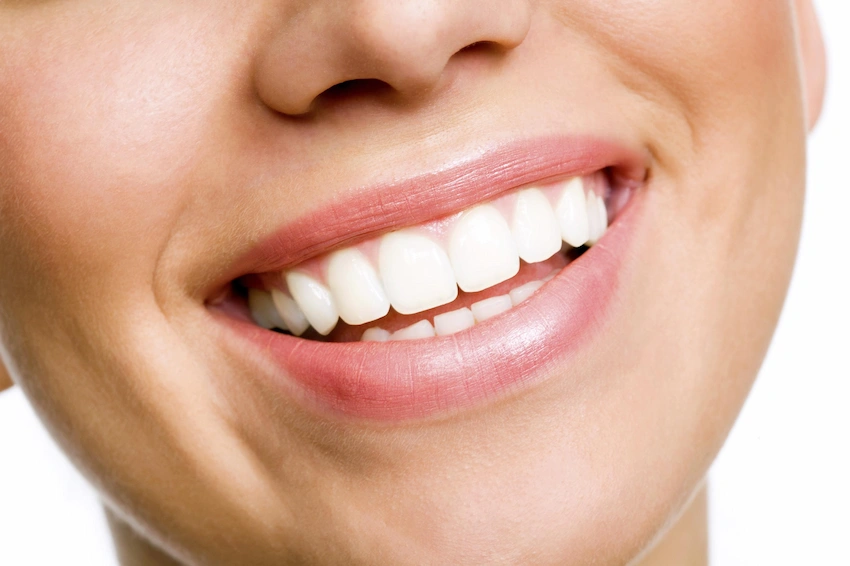
Individual tooth color is closest representation of a person that is showing the complex interaction between genetics, anatomy, lifestyle, and health. A yellow or darker shade is not necessarily a sign of poor hygiene — it may just be a natural shade. Nevertheless, persistent discoloration could be an indication of the presence of some underlying issues. The good news is that contemporary dentistry offers safe and evidence-based treatments for health and aesthetics alike. Through the integration of preventive care and professional guidance, patients are given the opportunity to have a healthy smile.
References
- Joiner A. Tooth colour: A review of the literature. Journal of Dentistry. 2004;32(suppl 1):3–12.
- Watts A, Addy M. Tooth discolouration and staining: A review. British Dental Journal. 2001;190(6):309–316.
- Sulieman M. An overview of tooth discoloration: extrinsic, intrinsic and internalized stains. Dental Update. 2005;32(8):463–471.
- Ellwood RP, Fejerskov O. Clinical studies on fluorosis. In: Fejerskov O, Kidd EAM (eds). Dental Caries: The Disease and Its Clinical Management. Wiley-Blackwell; 2008.
- Carey CM. Tooth whitening: What we now know. Journal of Evidence-Based Dental Practice. 2014;14 Suppl:70–76.
- ten Cate JM. Current concepts on the theories of the mechanism of action of fluoride. Acta Odontologica Scandinavica. 1999;57(6):325–329.
Frequently Asked Questions (FAQs)
Natural tooth color is determined by genetics, the thickness of the enamel, and the color of the dentin. In fact, due to your biology, the teeth may look slightly yellowish or gray even if you maintain good hygiene.
Brushing can only help to prevent stains and plaque, but it is not able to change the natural shade of the enamel and the dentin. So if you want your teeth to be brighter, you should consider professional whitening.
Of course. The thinning of enamel with age leads to the exposure of the dentin and the accumulation of stains, giving the teeth a dark color gradually.
Along with Fluorosis, the use of tetracycline during childhood, dental trauma, and some genetic diseases can all be the sources of intrinsic discoloration of teeth.
Generally, it is a professional dentist-supervised whitening that is considered the most secure method. This offers the advantages of controlled outcomes and the protection of the enamel and gums.

