


Tooth extraction is a routine operation in the dentist’s chair, nonetheless, it may lead to quite a few side effects to your jaw, mostly to the temporomandibular joint (TMJ). The TMJ is the joint that connects the lower jaw (mandible) to the skull and it is the joint that provides the most movement required for such activities as talking, eating, and yawning. When this joint is damaged, one may suffer a broad range of symptoms and even hear the clicking or locking of the jaw, which is a type of temporomandibular disorder (TMD). Post tooth removal, the lost space in the jaw can cause the TMJ as well as muscles around the jaw to overwork, thus resulting in dysfunction.
Once the tooth is taken out, the tissues that surround it, including muscles, ligaments, and bones may shift or compensate for the loss and hence may cause either misalignment or abnormal movement. This misalignment can cause the forces exerted on the TMJ to be unevenly distributed thus TMD the risk is increased. The condition at the joint may come to light shortly after the operation or it may gradually become apparent over a long period. Patients who experience TMD symptoms such as pain in the jaw or headaches, will usually not think of their tooth extraction as a cause of these problems, thus early diagnosis and treatment become a priority in the prevention of the joint damage of a long-term nature.
Furthermore, tooth extraction could alter your bite and as a result, the TMJ can be subjected to unnecessary pressure. In case the pressure is ignored, the joint and the tissues around it will be subjected to further damage. Being aware of such a possibility that may bring about serious consequences, the person needs to know how tooth extraction is related to TMD and what measures need to be taken for the prevention and treatment of such issues. This article is a brief introduction to the TMJ, the main reasons for TMD post tooth extraction, and the ways of dealing with the risk of this disorder.
Temporomandibular Joint (TMJ) and Tooth Extraction: The Basics
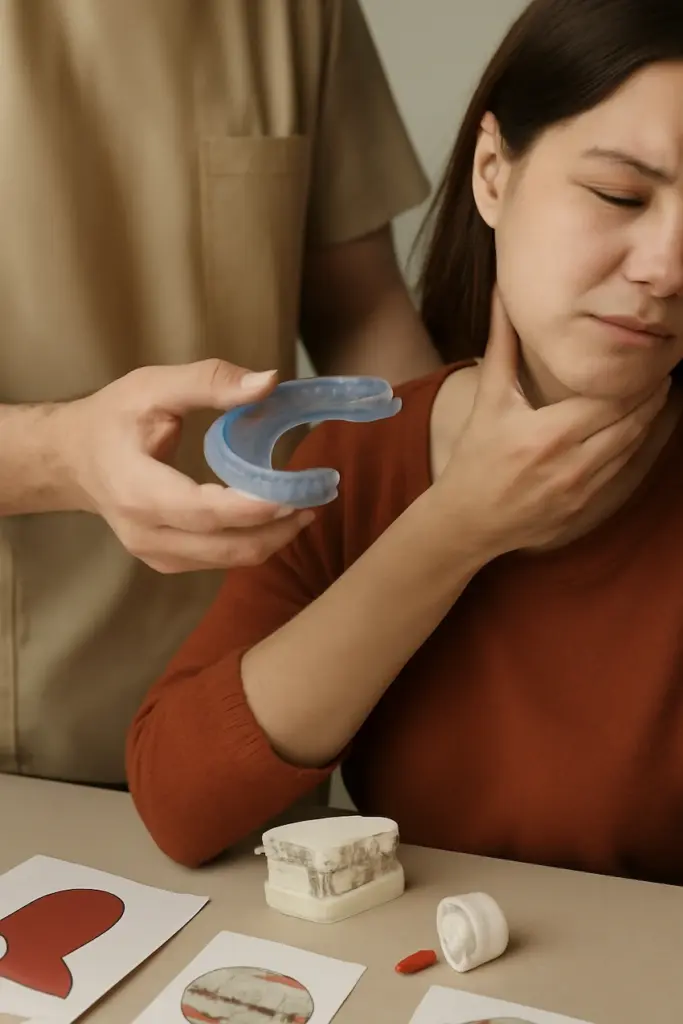
The temporomandibular joint (TMJ) is a device that works in a very important way. It enables the user to perform the activities of chewing, speaking, and breathing. It is the equivalent of a hinge as it connects the lower jaw to the skull and the way this hinge works depends on its proper alignment and muscle coordination. Usually, tooth extraction can cause the disruption of this equilibrium if the case of the extraction of a back tooth (molars) is the situation. When the tooth is no longer there, the adjacent teeth may lean, thus creating uneven forces that will be applied to the jaw, which can result in the overloading of the TMJ. Such pressure may be a factor in the emergence of TMD, a disease that affects not only joints but also the muscles that move the jaw are affected by.
The bone and soft tissues around an extracted tooth that used to support the tooth will be changed due to their removal after the tooth is taken out. These changes can make the jaw move differently and cause misalignment most of the time. This misalignment causes the TMJ to work harder than usual, which, in turn, raises the risks of inflammation, pain, and dysfunction. In addition to that, tooth extraction might change the bite structure of the person in such a way that the person may not realize it right away, but eventually, this situation can lead to the development of TMD symptoms over time. The consequences of not dealing with the problem of improper alignment can be very serious, such as chronic jaw pain, limited jaw movement, or even difficulty in eating.
It might take a while before one can really see a connection between tooth extraction and TMJ issues, as an effect is usually only visible at the site where the tooth was taken out. The muscles and ligaments around the jaw, which are getting used to the new bite, may be the ones that are under strain. Such tension in the muscles may cause the appearance of TMD or its aggravation, particularly if the user is experiencing some sort of discomfort in the jaw or if it is misaligned. Hence, it is very beneficial to know how a tooth extraction influences the TMJ in order not to contribute to the occurrence of other complications and be sure that the jaw joint will stay healthy over time.
Common Causes of TMJ Disorders After Tooth Extraction
In general, the development of temporomandibular disorders (TMD) after a tooth extraction may be influenced by various factors. The primary one among these is the alteration of the bite post tooth extraction. The bite (or occlusion) is the way that the upper and lower teeth fit one on the other when the mouth is closed. Any change to this alignment, such as the loss of a tooth, can create an imbalance in the jaw’s functioning. Such an imbalance causes the TMJ that is already under a heavy workload to be overworked, thus leading to the pains, stiffness, and inflammation symptoms of the TMD. In the long run, this manifestation of excess stress can destroy the joint and the sufferer will experience the symptoms of TMD such as clicking of the jaw, locking, and difficulty in movement.
Muscles surrounding the area that had been extracted also play a major role in TMD after tooth extraction. The removal of a tooth leaves the surrounding muscles and ligaments with the task of adjusting to the jaw’s new alignment. This adjustment overworks those muscles and the ones responsible for the jaw then become tight and may cause muscle spasms, pain, or even discomfort. Besides this, the continuous stress of these muscles can lead to headaches, neck pains, and ear pain which are the most common symptoms of TMD. Patients may be unaware that the above symptoms are associated with their tooth extraction and may thus experience these symptoms progressively.
Moreover, TMD may be psychologically induced in addition to the mentioned mechanical changes. Stress and anxiety often experienced during and after a tooth extraction period can make symptoms of TMD worse. Stress symptoms such as jaw clenching or grinding of teeth are some behaviors that a patient may do without knowing, especially during sleep, thus putting the TMJ in a much more aggravated situation. If these behaviors continue undisrupted, the sufferer will be subjected to chronic pain and discomfort which makes the healing process even more difficult. Balancing between the physical and emotional sides of the recovery process is very important if one is to avoid TMD after tooth extraction.
Tooth Extraction and TMD Risk: Other Factors
Tooth extraction is a major source of change in the temporomandibular joint (TMJ) but a mixture of other factors can lead to the TMD of the mentioned joint after the operation. Some of these factors include:
Pre-existing Jaw Conditions
- Those individuals who have a history of ill-aligned teeth, malocclusion (imperfect bite), or bruxism (teeth grinding) are likely to suffer TMD after a tooth extraction. A single tooth loss may thus go on to exacerbate such pre-existing conditions and increase the load of the TMJ.
Age
- Older people are inclined to experience complications together with TMD after a tooth extraction. The ability of the body to heal and adapt slows with age, hence, the jaw will need more time to adjust leading to prolonged misalignment and functional disorder of the jaw.
Gender
- Hello girls, did you know that one of the reasons why women are more affected than men by TMD is hormonal changes affecting the joints and muscles particularly, those aged between 20s and 40s? Also, stress and anxiety, which are among the things that women suffer from most, can lead to jaw clenching and thus increase TMD risk after the extraction.
Extraction Complexity
- The complexity of the tooth extraction procedure affects the chances of the occurrence of TMD. Such removal as that of the severely decayed or impacted teeth may require more manipulation of the jaw, which in turn can create strain on the TMJ and dysfunction risk can be heightened.
Healing Process
- How fast and well the healing process takes place can determine the chance of TMD prevention. In case there is no proper healing or there are complications at the site of extraction, the resulting imbalance of the jaw may lead to excessive and abnormal pressure on the TMJ, thus giving rise to TMD.
Psychological Factors
- Stress, anxiety, and emotional tension are among the reasons that cause TMD. Those patients who undergo these psychological issues may also be involved in the unconscious grinding or clenching of the teeth, which puts further strain on the TMJ during the recovery period after tooth extraction.
Temporomandibular Disorders (TMD) and Their Symptoms

Temporomandibular disorders (TMD) refer to disorders that impact the temporomandibular joint (TMJ) and those muscles that control jaw movement. These disorders may show such a wide variety of symptoms that it is almost impossible to distinguish one patient from another, however, generally, some of these symptoms are jaw pain or tenderness, especially when chewing or talking. Moreover, the pain that occurs in the jaw area is often extended to the temples or the ears and along with it, there might be headaches.
In addition to this, one of the main features of TMD is the tooth grinding noise or the crack heard during the joint movement. When the joint is functioning abnormally, the sound accompanied by clicking or popping correspondingly, happens. This noise can be a source of pain or discomfort too, thus, an indication of TMD most visibly.
TMD is capable of producing those kinds of symptoms which include, among others, the inability to move the jaw and the feeling of the ‘stuck’ or locked jaw. It can render the opening of the mouth to be very limited thus the processes of eating, talking, and even breathing can be hindered. Sometimes, the patients may notice that their faces have become swollen or even that the muscles have tightened in the area of their jaws. Besides that, earaches can be on TMD’s account together with the sensation of the ears being full, and this is explained by the closeness of the TMJ and the ear canal. Such indications might be of a temporary nature; however, if TMD is left unhealed, they can become chronic and thus lead to the restriction of jaw movement.
The first thing you should do if any of these symptoms appear after a tooth extraction is to seek a thorough and prompt evaluation. The symptoms of TMD can be controlled by early intervention which also prevents joint damage to the greatest extent. Based on the assessment of the TMJ, the dentist or oral surgeon, will be able to offer the treatment that best fits your case including physical therapy, medicines, or bite adjustments, which can relieve symptoms and promote recovery.
TMD Diagnosis and Post-Extraction Evaluation
A detailed examination of a dental professional is required for the determination of temporomandibular disorder diagnosis after a tooth extraction. The dentist, in trying to establish a diagnosis, will ask the patient’s medical history and note the given symptoms if any as jaw pain, headaches, or difficulty in moving the jaw have been experienced. To check the jaw’s proper alignment and movement and to identify any tenderness or swelling caused by the TMJ, a physical examination is done. Besides, to have a clearer view of the jaw joint and the tissues around it, the dentist may be using different imaging techniques like X-rays, CT scans, or MRIs. These photographs give a clear picture to the dentist of the changes in the structure or the misalignments resulting from the tooth extraction which can be seen in the images.
If a tooth has been removed, it is essential, as well as good practice, to have check-ups post-extraction in the whole healing process and recovery of the TMJ. The follow-up visits will determine if the TMD symptoms, which can be a side effect of the tooth extraction, are caused by the procedure in case they occur. Depending on the intensity of the symptoms, the dentist may decide to perform some more tests or discuss with the patient the option of going to another doctor for a further check-up. The very first point of TMD is also the point of prevention from turning into a chronic issue, which is additionally more manageable in terms of treatment and control if recognized at an early stage.
TMD Treatment Methods After Tooth Extraction

If TMD symptoms occur after a tooth extraction, then the pain can be eased, and the normal jaw function can be restored through different treatment methods. These treatments include the following:
Physical Therapy
- Physical therapy can have a very positive effect on TMD. It involves certain exercises that aim at loosening and strengthening the jaw muscles and therefore can enhance jaw movement, diminish pain, and even regain lost function. The physical therapist may assist the patient in doing the exercises that promote jaw flexibility and relax the muscles.
Bite Adjustments
- In case the tooth extraction has led to a misaligned bite, orthodontic adjustments can be used to realign the teeth and jaw. The reduction of bite problems through such means as dental appliances can ease the giving of bites and help the TMJ to rest which will then result in the disappearance or reduction of pain and the prevention of the further damage.
Mouthguards or Splints
- A mouthguard or splint will not only facilitate the TMJ but also guard it from grinding and clenching which are usually among the causes of TMD. These tools may provide comfort and relief for those patients who have been diagnosed with bruxism or jaw clenching during sleep. The introduction of a mouthguard at night is going to help halt the further deterioration of the jaw joint.
Pain Management
- Non-prescription pain relievers like ibuprofen or pain medications that can be bought only on a doctor’s recommendation could be used to put an end to the discomfort or pain that comes with TMD. The doctor may also give a prescription for muscle relaxers that will work on the relaxation of the muscles causing tension in the jaw. Using either a hot or a cold pack against the affected area can help relieve the pain caused by the inflammation that occurs in the area.
Stress Management Techniques
- As stress can make TMD worse, it is also the main cause of the need for stress reduction therapies as an integral part of the treatment. Relaxing through deep breathing, meditation or mindfulness is only one of the many ways that one can achieve the release of the tension caused in the jaw and thus the reduction of the symptoms.
Surgical Intervention
- If the condition is very serious and conservative methods of treatment cannot alleviate the pain then the intervention of surgery could be a solution. Some of the operations on the TMJ might be arthrocentesis (a small surgical procedure for flushing out the joint) or even joint replacement, among the choices for patients who have suffered a lot in their TMJ. However, usually, surgery is postponed until all the other options have been tried and failed.
Orthodontic Treatment
- The removal of a tooth that has resulted in serious problems related to the bite may require the correction of the teeth and jaw by orthodontic treatment. One can wear braces or other orthodontic appliances that will help in regaining the normal functioning of the bite and also in the reduction of the strain on the TMJ.
Jaw Exercises and Lifestyle Changes
- Specific jaw exercises to be performed at home by the patients will help them to strengthen the muscles and increase jaw mobility. Moreover, through lifestyle changes, like not eating hard foods, reducing the use of the jaw, and sticking to a soft diet during the healing period, one can prevent TMD and at the same time help the recovery process.
Patients can effectively deal with and lessen the effects of temporomandibular disorders after a tooth extraction by confronting the signs of TMD immediately and using a variety of treatments, including physical, therapeutic, and in some cases surgical.
Maintaining TMJ Health After Tooth Extraction: Preventive Strategies
Specialized dental care and home remedies can prevent Temporomandibular Disorder (TMD) that may arise after a tooth extraction. It is extremely important to cooperate with the dentist’s instructions during your recovery time after the extraction. One of the main ways to stop the occurrence of TMD is to ensure good bite alignment. The removal of the tooth without replacement or the change of the bite can lead to the uneven application of forces on the TMJ, which will cause a higher risk of TMD. A dentist may suggest restorative treatment such as bridges, crowns, or implants to not only restore the bite but also prevent misalignment.
Apart from medical care, some home-based methods can assure TMJ health after a tooth has been extracted. Not eating hard or chewy foods during the recuperation time will lessen the demand on the jaw. Mild jaw exercises will help your jaw not to become stiff and it will also be more flexible. Stress management is equally important as stress can result in teeth grinding and jaw clenching which can be TMD symptoms and can be very painful. A nightguard is also a great way to protect the jaw from grinding during sleep. By implementing these preventive steps, patients have the opportunity to lower the probability of TMD after tooth extraction, thus, upholding the TMJ health in the long term .
Tooth Extraction and TMJ: Long-Term Outcomes and Monitoring
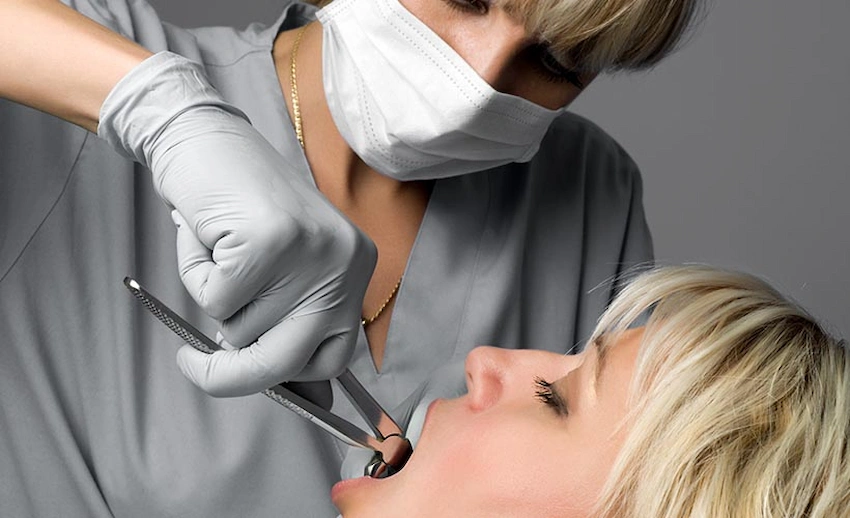
Eventually, tooth extraction on temporomandibular joint health will mostly depend on how the jaw retains and how any imbalances in the bite are treated. Sometimes, the jaw might even heal on its own without any problems and, thus, the TMJ will work as usual after a tooth extraction. On the other hand, the possibility of TMD occurrence is still there for those with a precondition in the jaw area or the ones whose tooth extraction has been complicated. That is why regular inspections and follow-up appointments with your dentist are very important for the early identification of any TMJ problems. The first symptoms of TMD give a chance to let intervention take place without delay and, thus, a chronic condition is prevented.
Additional treatments may be needed for patients who have been suffering from TMD symptoms persistently after a tooth extraction. Initially, these treatments may be limited to a few conservative methods, such as physical therapy and bite adjustment; later on, they may include orthodontic or surgical procedures. Consistent observation and timely help are what it takes to be able to thus, avoid long-term problems of the TMJ. Moreover, many patients, after they have been properly treated, can totally recover from TMD and, consequently, continue leading an active life without experiencing any additional jaw pain.
Common TMD Symptoms and Treatment Options
| Symptom | Treatment Options |
| Jaw pain and tenderness | NSAIDs, physical therapy, muscle relaxants |
| Clicking or popping sounds | Night guards, jaw exercises, and orthodontic treatment |
| Difficulty chewing or opening the mouth | Bite adjustment, physical therapy, splints |
| Headaches or ear pain | Pain relief medications, TMD-focused physical therapy |
| Locked jaw or limited movement | Surgery, jaw exercises, and physical therapy |
REFERENCES:
- American Dental Association. (2020). Temporomandibular disorders: Understanding the basics. Journal of the American Dental Association, 151(6), 395-403. https://doi.org/10.1016/j.adaj.2020.02.017
- De Leeuw, R., & Klasser, G. D. (2018). Temporomandibular disorders: Diagnosis and treatment. Elsevier Health Sciences.
- McNeill, C. (2019). Management of temporomandibular disorders and occlusion (7th ed.). Elsevier.
- Schiffman, E., & Ohrbach, R. (2016). Diagnostic criteria for temporomandibular disorders (DC/TMD): The research diagnostic criteria for temporomandibular disorders. Journal of the American Dental Association, 147(6), 340-347. https://doi.org/10.1016/j.adaj.2016.02.021
- Wright, E. F., & Cox, D. (2017). Tooth loss, occlusion, and temporomandibular joint dysfunction. Journal of Prosthetic Dentistry, 118(5), 595-600. https://doi.org/10.1016/j.prosdent.2017.03.020
FAQ: Tooth Extraction and Jaw Joint Health: TMD Risk
After a tooth extraction, the jaw joint may experience changes in alignment or increased strain, which can cause discomfort or contribute to temporomandibular disorders (TMD). Proper aftercare and monitoring are crucial for maintaining jaw joint health.
Temporomandibular disorder (TMD) refers to conditions affecting the temporomandibular joint, causing pain, stiffness, and difficulty moving the jaw. It can result from trauma, stress, or misalignment of the jaw.
Tooth extraction can disrupt the natural alignment of the jaw, leading to additional stress on the TMJ. This can increase the risk of developing TMD, particularly if the healing process is not carefully managed.
Symptoms of TMD include jaw pain, headaches, clicking or popping sounds when moving the jaw, and difficulty chewing. These symptoms can range from mild to severe and may worsen without treatment.
TMD is diagnosed through a clinical examination, patient history, and imaging tests like X-rays. A dentist will assess the alignment of the jaw and examine any symptoms that may indicate TMD.
Yes, TMD can be treated through various methods, including physical therapy, bite correction, medications for pain relief, and the use of mouthguards. In some cases, surgery may be required if conservative treatments are ineffective.
To reduce the risk of TMD, follow your dentist’s post-extraction care instructions carefully, avoid hard or chewy foods, and consider using a mouthguard to protect your jaw. Regular checkups can also help identify early signs of TMD.
TMD treatment options include physical therapy, bite adjustment, jaw exercises, pain relief medications, and in some cases, surgery. Your dentist will recommend the most suitable treatment based on the severity of your condition.
TMD symptoms can appear shortly after tooth extraction, especially if there is any disruption in the alignment of the jaw. These symptoms may be immediate or develop gradually over time.
Surgery for TMD is typically only considered in severe cases where other treatments have not provided relief. Most TMD conditions can be managed with non-invasive treatments like therapy and bite adjustments.

