


Most people, in general, need not think twice before breathing. Still, what if it turns out that whether the nose or the mouth was the channel through which we took our breath, this very basic thing has a significant impact on our teeth? Mouth breathing is a widely known and frequently practiced habit, though it might set off a series of the patient’s oral cavity health problems, starting from oral malodor and on to misalignment of teeth. Here we will understand the mode in which the mouth breathing influences our teeth, and what measures could be implemented to keep the smile safe.
One may find it quite embarrassing when the first thought that comes into their mind in regards to mouth breathing is its effect on teeth. So, controlling that negative side of it may come early in the process and thus become very beneficial. At Lema Dental Clinic in Istanbul, we offer a variety of treatments such as dental veneers and other cosmetic procedures to beautify your smile and give you a Hollywood Smile.
What Is Mouth Breathing and Why Does It Occur?

In simple terms, mouth breathing refers to the process of breathing wherein a person inhales and exhales through the mouth instead of the nose. At the outset, this may appear innocent, but gradually it leads to the occurrence of various oral and dental problems. Mouth breathing is closely followed by nasal blockage, which is the chief cause of breathing through the mouth. Also, it may become a habit, especially in kids, where the habit of mouth breathing during sleep becomes so deeply rooted that it is difficult to get the children to change it.
Though breathing via the mouth occasionally will not cause a person any harm, a regular practice of mouth breathing can lead to serious health issues. By drying out the mouth, it is quite likely to result in tooth decay, and over the years, the teeth might also become crooked because of it. Hence, knowing the factors contributing to mouth breathing, along with the possible health issues that this practice can bring about, is necessary in order to have a healthy smile.
Dry Mouth and Its Implications for Oral Health
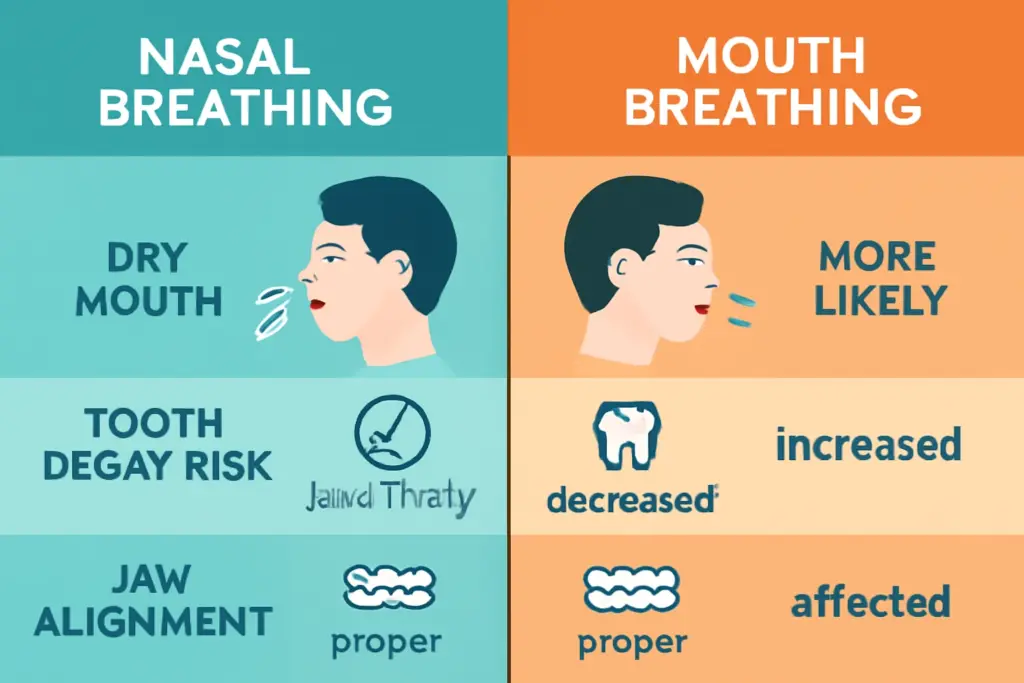
The foremost thing that takes place when a person breathes through the mouth is the formation of dry mouth. In the case of nose breathing, the air that we inhale gets preheated and moistened in the nasal passages before it reaches the lungs. In such a situation, a nasal breathing bypasses the usual moistening process of the air and, thus, results in a dry mouth. Saliva is extremely important for the protection of your teeth as it removes the food that has settled on the teeth and neutralizes the acids in the mouth. That is why, if there is an insufficient amount of saliva in the mouth, a person may be attacked by caries, periodontitis, and halitosis.
Moreover, dry mouth can make your teeth more vulnerable to plaque since bacteria can thrive better in the mouth when there is a lack of moisture. If not treated timely, dental problems may escalate and become chronic that requiring the intervention of a dentist. Therefore, it is very important to be aware of dry mouth symptoms and to treat them before they progress into more severe diseases.
Is the Impact of Mouth Breathing on Facial Formation Permanent?

Indeed, the mode of mouth breathing can lead not only to dental changes but also to changes of the whole face with time. In children who are habitual mouth breathers, the teeth may be displaced, and the jaw may grow at the wrong pace. Besides, the disorder called “mouth breathing syndrome,” which is characterized by a variety of symptoms such as malocclusion and a long or hollow face, is an outcome of the mouth breathing condition.
At times, this situation may go so far as to create a condition named ‘open bite’, which is characterised by the fact that the upper and lower teeth cannot find proper contact when the mouth is shut. This impacts not only the look of the smile, but the person can also face problems with eating, speaking, and even breathing. So you must act quickly to stop mouth breathing if you want to have a chance of dental change prevention.
The Connection Between Mouth Breathing and Bad Breath
One more side effect of mouth breathing is the formation of bad breath (halitosis). We have already told you that mouth breathing causes dryness of the mouth. This dryness, along with lowering saliva production, is the reason why mouth-breathers often complain of the necessity to drink water frequently. Without saliva to carry away bacteria, halitosis, leftover food, and dead epithelium cells, the latter are products to combine and off-gas an obnoxious smell.
Furthermore, bacteria in a dry mouth find it easier and more comfortable to multiply because there is less moisture, and that is the reason why they create the substances that we all know as sulfur and which are the main causes of bad breath in the end. So, if you are always breathing through the mouth, then most probably you will be feeling that the smell of your breath is unpleasant, even if you are brushing your teeth regularly. Mouth breathing must be resolved if you want to have a fresh breath and good oral hygiene.
How to Get Rid of the Habit and Save Your Teeth
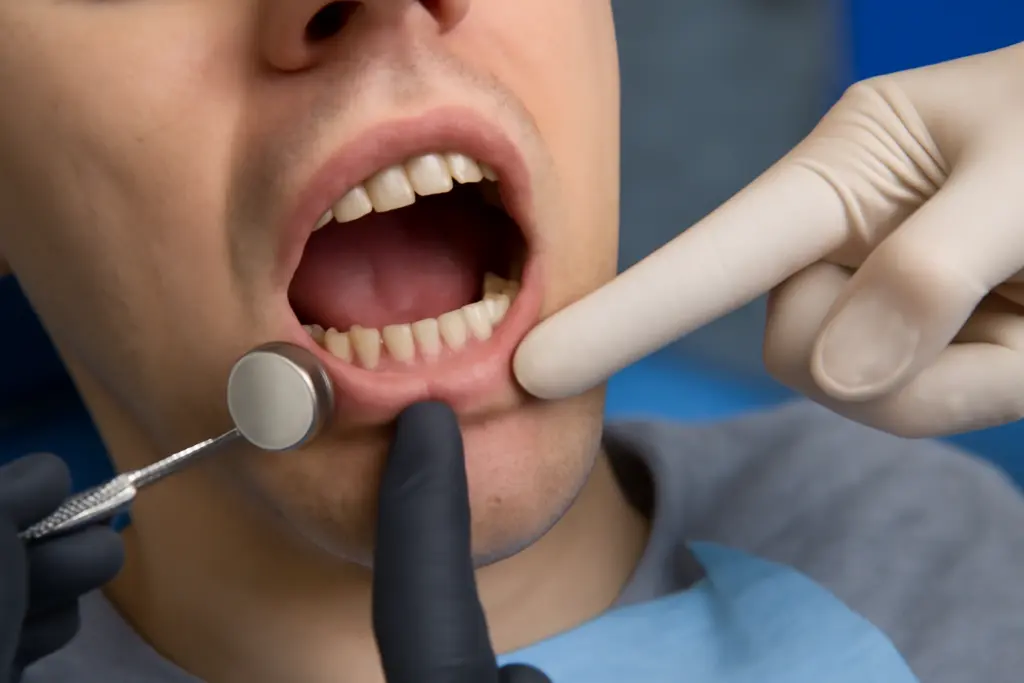
The habit of breathing through the mouth cannot be changed overnight, but it is still not impossible. The very first step is discovering the true cause of the habit; treatment of the disease that is causing nasal congestion will be the solution if it is the problem causing cold and breathing troubles. Using a nasal spray and sleeping with a humidifier at night can be of great help. In the case of children, a consultation with an orthodontist can be a possible solution for the assessment of any developmental problems that might be the source of the habit.
Moreover, good oral hygiene should also be part of the equation. Proper brushing, using a mouth rinse, and drinking enough water will not only give your teeth the protection they need but also provide you with a nice breath. Individuals who are still having a hard time with mouth breathing may be assisted by a dentist and orthodontist in finding the right treatment, such as mouth guards or appliances, which will make nasal breathing possible during sleep.
FAQ: How Breathing Through Your Mouth Affects Your Teeth
Yes, mouth breathing can lead to dry mouth, which increases the risk of cavities, gum disease, and bad breath. It can also contribute to misaligned teeth and other dental problems.
Yes, mouth breathing in children can affect the development of the jaw and teeth, leading to misalignment and crooked teeth.
Mouth breathing bypasses the natural process of moistening air through the nose, which results in less saliva production and dryness in the mouth.
Treating nasal congestion, using nasal strips, or sleeping on your side can help reduce mouth breathing at night. Consulting a doctor or dentist can also provide helpful solutions.
Yes, addressing mouth breathing can reduce the risk of dry mouth, bad breath, and crooked teeth. It will help maintain overall dental health and protect your smile.

