When your wisdom teeth are extracted, it is more or less like a rite of passage; it’s all about one’s dental health. It is the case of many people having their wisdom teeth removed, easy peasy. Nevertheless, is it too difficult, isn’t it? Not a problem, if you happen to know all the details, and it can be a quick, painless procedure for you. The following are 5 things you should remember prior to going in for surgery.
At Lema Dental Clinic in Istanbul, we offer professional, pain-free wisdom tooth extractions with advanced technology and world-class care. Book your appointment today and let your wisdom teeth and Hollywood Smile know: It’s time to go! 🦷💫
Why Do Wisdom Teeth Often Need to Be Removed?

First things are first – why should one be deprived of this special tooth?
Wisdom teeth are the third set of molars in our mouth, and normally, they appear while a person is between 17 and 25 years old. Originally, humans needed this additional set of teeth to shred raw and tough food. However, these modern dishes that have become softer and our being has reduced jaws have made it more likely that we would not be able to accommodate them in our mouths. Thus, the problem arises.
When wisdom teeth try to come in, they can:
- Get stuck (impacted) under the gums
- Grow at weird angles
- Push against your other teeth
- Cause gum infections or cysts
Usually, the removal of the wisdom teeth is suggested by the dentist even though they are not yet causing you any pain or deforming your smile. Hence, it becomes a practice that many decide to carry out, getting their teeth extracted early, with the late teens and early twenties as the typical target age group, and before any symptoms appear. They say that prevention is better than a cure, right?
What to Expect During the Extraction Procedure
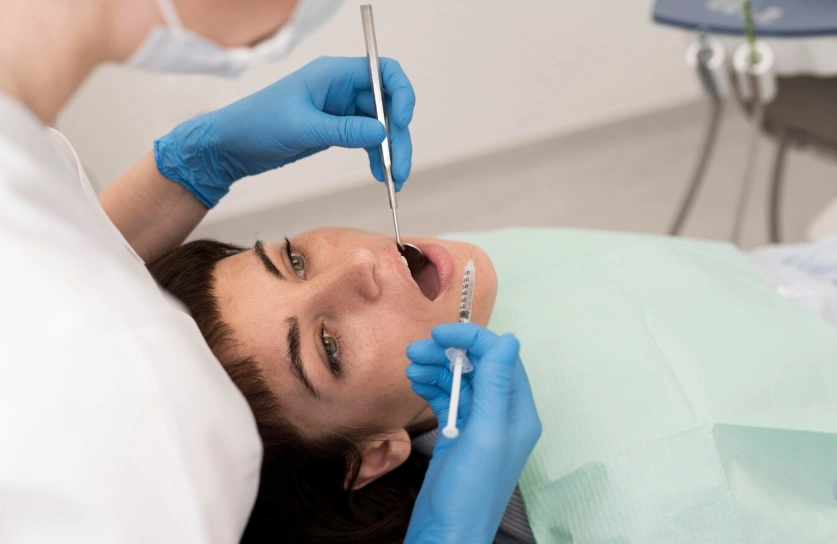
Letting go of a tooth by tooth extraction may sound rather cruel, but in fact, it is quite a serene experience, contrary to the anticipated notion.
Based on the nature of your case, either your dentist or oral surgeon will administer one of the three types of anesthesia to you:
- Local anesthesia – Numbs the area only.
- Sedation anesthesia – Keeps you relaxed and half-asleep.
- General anesthesia – You’re completely asleep during the procedure.
If the anesthesia has already made the area numb, the dentist will have to surgically cut your gums or remove some of the bone to extract the tooth. If it’s an impacted one, they may need to break off the tooth into smaller parts first. The place is then purified and stitched up, usually with threads that will dissolve eventually.
It generally takes about 30-45 minutes in total, and you will return home on the same day, probably with a funny post-anesthesia video that your mom had shot.
Pain, Swelling, and Common Recovery Symptoms
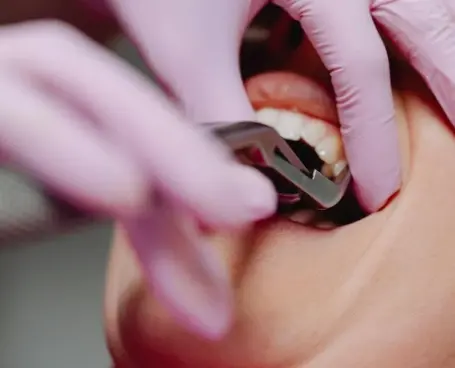
Okay, shall we go to the part where the numbness is over?
Most likely, the first few days after the procedure, you’ll feel pain, swelling, and you’ll be a bit groggy. There’s a chance that some people will experience slight bruising on their cheeks or neck, and yes, there is a possibility that you’ll look like a furry chipmunk for a moment (no fret, it will go away soon).
Here are the symptoms you could encounter:
- Mild to moderate pain (eased with meds)
- Swelling that peaks after 48 hours
- Bleeding for the first 24 hours
- Difficulty opening your mouth wide
Utilize ice packs to help reduce swelling. Apply ice for 20 minutes on, and 20 minutes off for the first 24 hours. During the course of the warm compresses sessions, you would be able to relax your jaw.
Moreover, take a rest. It is advisable to grant yourself some time off school, skip sports, and elevate your head while sleeping. Let your body help you heal now—after all, you deserve it!
Foods and Habits to Avoid After Extraction
This is not the time to eat or chew on hard foods like crunchy tacos or a piece of sizzling hot pizza.
For the first few days following the procedure, your gums will be going through a phase of healing. In short, you should do your best to avoid interfering with the extraction site, thus disturbing the clot, which is nothing but a blood clot.
These are what you should not do:
- Drinking hot soup or drinks
- Eating spicy or acidic foods
- Eating crispy, hard, or crunchy foods (chips, nuts, popcorn)
- Chewing sticky foods (gum or candy)
- Sucking a straw (absolutely forbidden!)
- Smoking or vaping
- Using strong force when brushing or rinsing at the site
Run to the cooler side and bring out soft food for a meal for the next few days! You can eat foods like yogurt, ice cream, and scrambled eggs. Also, you may eat applesauce, mashed potatoes, and smoothies. You can try to drink and use straws to make it easy on the prepared, very delicate teeth.
Healing Timeline and When to See a Dentist
The recovery period mainly depends on how tough the extraction was, but the following is a typical evolution:
First and second days:
- Mild bleeding and swelling may occur
- Take prescribed medicines or painkillers
- On liquid, semi-liquid foods
- As much bed rest as possible
Third to fifth days:
- On the third or fourth day, swelling will have subsided or disappeared
- Discomfort can be felt due to the affecting area
- Continue with your normal activities, but make sure to avoid sports or any weight lifting
Sixth to tenth days:
- Some mild discomfort may persist, but most of the pain will have left
- At day 6-7, surgeons can remove the sutures (if indeed they are not dissolvable)
- You’re clear for solids.
Two weeks after this:
- Your gums will be fully restored in their feeling
- Bone regeneration keeps progressing behind the scene for the next few months
However, if you play the dentist and find any of the following, do not hesitate to call your dentist right away:
- Very strong tooth pain after day 3
- Bad odor from the mouth and a bad aftertaste.
- The lymph nodes being swollen or fever.
- Pus oozing from the site.
- Having trouble swallowing or breathing
The process of healing is usually uncomplicated, but one should still be vigilant for warning signs. Do not always ignore your instinct; if at all you feel uncomfortable about something, be sure to mention it.
FAQ: Wisdom Tooth Extraction – 5 Things to Know
The procedure itself is painless thanks to anesthesia. Post-op soreness is normal but manageable with medication and ice packs.
Most people recover within 7 to 10 days. Full bone healing may take a few months, but you’ll feel back to normal way sooner.
Skip anything hot, spicy, crunchy, sticky, or chewy. Stick to soft, cold or lukewarm foods and definitely avoid straws and smoking.
You’ll likely need 2–3 days off to rest. After that, you can return depending on how you feel—but avoid strenuous activity for at least a week.
If you notice extreme pain, swelling that worsens, bleeding beyond 24 hours, or any signs of infection, book an appointment right away.