


Do not use denture adhesive for temporary crowns; use dental cement.
You are eating. Suddenly, a hard piece comes into your mouth. You see, your temporary crown just fell out. Panic, at least momentarily, sets in.
So the question is, whether you can repair it at home only with a denture adhesive, right?
Honestly, you can use denture adhesive safely, as an emergency solution for a short time. However, knowing a little more about the causes can help you to take care of yourself better and prevent the situation. We will also find out the right ways to protect the tooth while waiting for the dental appointment.
At Lema Dental Clinic, it is a norm for us to encounter patients with such emergencies. Since we are the clinical partner of the best specialists, I also want to share with you some simple, handy tips. This is all about how you can keep your smile intact.
Reasons Temporary Crowns Get Dislodged
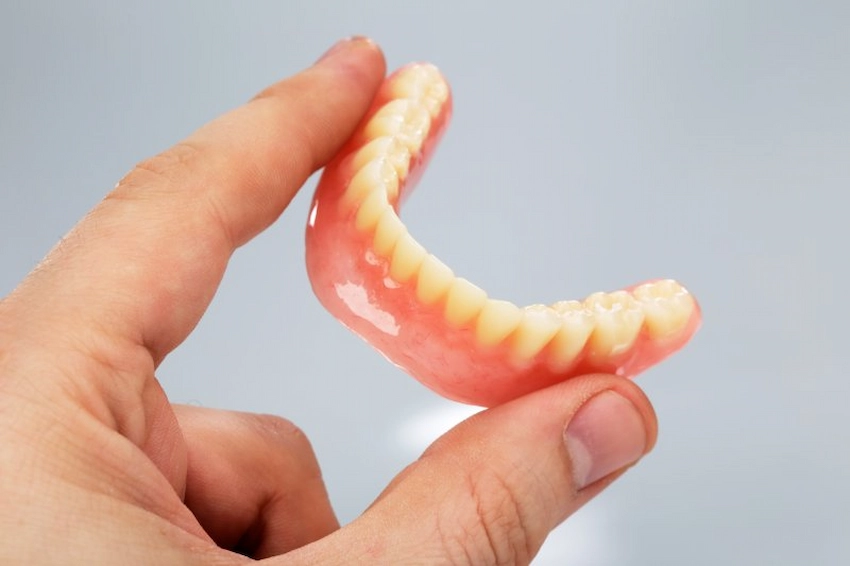
Temporary crowns are designed to come off. Actually, that’s the exact reason for their existence.
When Dentist Polen Akkılıç and her team prepare your tooth, they deliberately choose a weak temporary cement. Imagine this cement as a sticky note. It is meant to hold paper on the wall, but it can be easily removed without damaging the paint.
If permanent cement were to be used for a temporary crown, detaching it later would be risky. It could result in the fracture of the underlying tooth. As the cement is very weak, even sticky or crunchy foods can break the bond.
What Happens When a Tooth is Left Uncovered?
Besides enhancing your smile by keeping up the appearance of your permanent luxury porcelain teeth,h which are being manufactured in Turkey, a temporary crown also acts as a protective biological barrier.
Your tooth is composed of an inner layer known as dentin. The dentin houses countless nerve fibers. It is very painful when this layer is exposed, like stepping outside in a freezing winter without wearing a coat. Cold air, hot coffee, or even deep breathing may trigger pain.
Just like a building needs a strong foundation, which is provided by the jawbone, a tooth root also requires a secure and covered top to remain healthy and pain-free.
Best Way to Fix Your Crown at Home
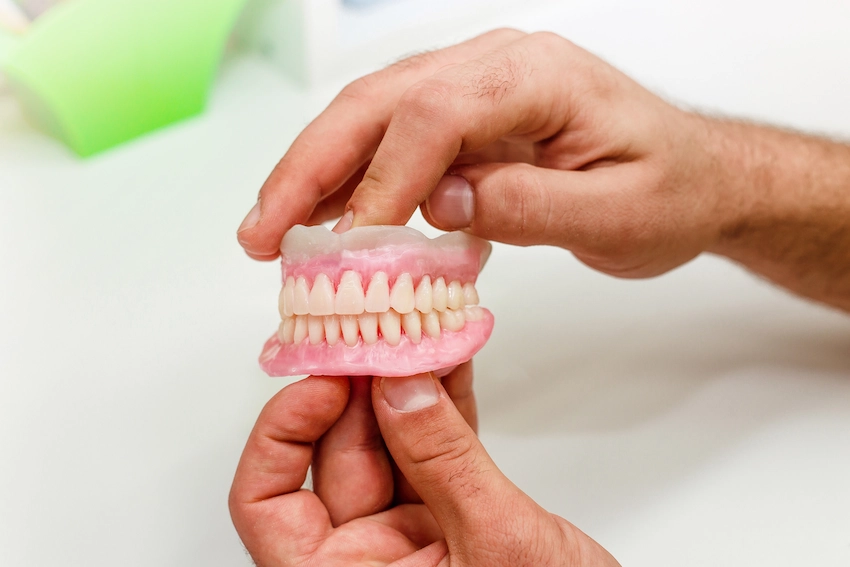
Being miles away from the dental clinic could mean that the last thing you want to add to your list is the trip to the drugstore to get denture adhesive (Fixodent or any other brand). However, it is your best option. This is the safest and simplest home procedure we advocate for:
- Check the Crown: Assess if the temporary crown is intact and safe to reinsert.
- Clean the Tooth: Gently rinse with warm salt water and remove any debris by brushing.
- Dry the Area: Moisture will eliminate the adhesion, so make sure to dry thoroughly with a clean tissue.
- Apply a Tiny Drop: Do not overdo it. A pin-sized amount is what is recommended. A huge blob will escape and cause discomfort in the bite.
- Press and Hold: Holding the crown in place after putting it on the tooth is essential. Bite down on a tissue for two minutes to secure the position.
Professor Doctor Coşkun Yıldız wisely points out that a loose crown offers a chance for a disease to set up a friendly environment. Bacteria will multiply rapidly in a secret and warm place, such as the formation of a caries. Therefore, it is crucial to keep it clean before you glue it again.
Emergency Solutions Compared
Want to know what you can do for a brief moment? Thanks to the table below, the choices have become clearer.
| Emergency Option | Holding Time | Risk Level | Clinical Verdict |
| Denture Adhesive | 12 to 24 hours | Very Low | Top Choice. It is safe, works well even when the dental nerves are fragile, and is easy to clean after removal. |
| Drugstore Cement | 2 to 4 days | Medium | Nice for Weekends. Difficult comes out. If you overdo it, your bite will be messed up. |
| Do Nothing | None | High | Highly unsafe. You are tempting extreme pain, rapid infection, and changing positions of teeth. |
Frequently Asked Questions
Is it OK if I use Super Glue to put my crown back on?
Doctor’s Answer: Please, very strongly, along with all the force of my being, I ask you not to do this. Don’t even consider using household glues in your mouth. Toxic to your body they are, indeed. They will produce chemical burns to your gums, besides causing the irreversible damage of the tooth tissue.
What is the expected durability of the denture adhesive?
Doctor’s Answer: It could be said that saliva does not like to keep the adhesive around. Thu,s it usually lasts from 12 to 24 hours. Most likely, your morning routine will be accompanied by reapplication until the day you come to us.
Is it OK if I eat normally once my temporary crown is glued back?
Doctor’s Answer: You are advised to be ultra-careful. Chew your food with the side of your mouth opposite to the crown. Choose your diet from the soft food group, including yogurt, soup, and eggs. Resist anything hard or chewy.
What should I do if I swallow the temporary crown?
Doctor’s Answer: Do not panic. Temporary crowns are composed of medical-grade resins that are safe for humans. The object will be expelled naturally in a few days. Call us anyway so that we can schedule the making of the new one for you.
For what reasons do patients go to Turkey for dental luxury work?
Doctor’s Answer: Medical centers in Istanbul offer a combination of luxurious, high-end cosmetic dentistry and advanced technological design. We produce statistically perfect veneers with diamond inlays and strong zirconium crowns by using the skills of world-famous ceramists. You get impeccable, durable results that no clinic in the world could surpass, plus the wonderful medical tourism experience.
Academic References
- Rosenstiel, S. F., Land, M. F., & Fujimoto, J. (2015). Contemporary Fixed Prosthodontics (5th ed.). Mosby.
- Shillingburg, H. T., Sather, D. A., Wilson, E. L., Tollaro, J. R., & Mitchell, D. L. (2012). Fundamentals of Fixed Prosthodontics (4th ed.). Quintessence Publishing.
- Wassell, R. W., St George, G., Ingledew, R. P., & Steele, J. G. (2002). Crowns and other extra-coronal restorations: Provisional restorations. British Dental Journal, 192(11), 619-629.
- Donovan, T. E., & Cho, G. C. (1999). Diagnostic provisional restorations in restorative dentistry. Journal of the California Dental Association, 27(1), 71-81.
- Farid, F., & Shome, C. (2010). Provisional restorations: A review of materials and clinical considerations. Journal of Advanced Prosthodontics, 2(4), 114-119.

