


Parents, whose kids get tooth discoloration, are the ones complaining most about the issue, which happens in the developmental years of children, at least once. This problem might lead to children’s teeth being the last thing that they want to do, but their confidence and dental health will still be affected. Actually, recognizing the reasons for the diseases is the first step in the direction of the proper treatment to be presented, i.e., depending on the origin of the case, which may be from the inside of the teeth or food and drink intake. The list of causes for staining of children’s teeth encompasses those mostly concerning diet, but also other sources such as trauma, genes, and medications.
It is still crucial to talk about these problems with people who are competent in this field like Dr. Polen Akkılıç and her staff, who are acquainted with children’s dental issues. Their specialist knowledge can lead parents to an understanding as well as giving them the right treatment of the stains. On the other hand, Prof. Dr. Coşkun Yıldız, an expert in the field of pediatric dentistry, gives a strong emphasis on the point that only the first signs and timely treatment can warrant the conservation of the child’s beautiful smile.
We will talk about tooth discoloration in children: the ways that kids’ teeth get stained, the possible underlying health issues of staining, and new treatments. Further, we will also provide prevention tips for parents that they may easily use in their children’s daily oral health routine to keep it at an optimal level and to avoid any discoloration issues in the future.
What Causes Tooth Discoloration?
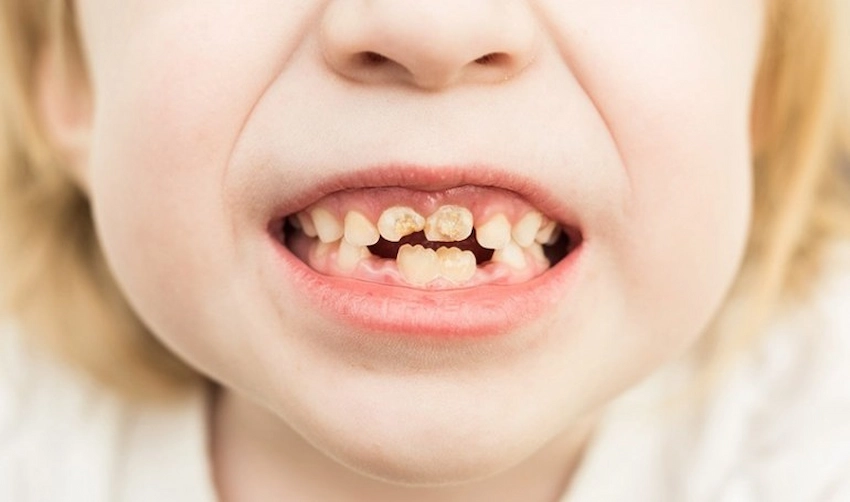
Tooth discoloration may be a change of tooth enamel or the tissue under the enamel (dentin) of the tooth to a different color. Color alterations in teeth may be limited to the surface (enamel) or may also affect the deeper layers (dentin). The reasons for tooth discoloration in kids can be divided into two main categories: extrinsic and intrinsic discoloration.
Extrinsic Discoloration
Extrinsic discoloration refers to the changes in the color of the enamel surface of the tooth. The origin of such discoloration is generally lifestyle mostly diet and habits of children. These stains can be treated effectively by regular brushing and dental cleaning by a qualified professional.
Some of the factors that lead to extrinsic discoloration are:
- Foods and Beverages: Color-giving foods like berries, dark soups, and candies not only taste good but also may leave teeth stained. To tea, coffee, and cola is attributed the main role in the extrinsic stain story.
- Plaque and Tartar Build-up: Plaque is a film of bacteria that is slimy and lives on the teeth. If there is no thorough brushing to eliminate the plaque, it is going to be transformed into tartar, which is plaque that can only be removed by a dentist who does it. The tartar can make the teeth look brown or yellow due to the deposit of pigment in the grooves of the tartar surface.
- Poor Oral Hygiene: Kids who don’t brush and floss regularly are allowing plaque and food particles to accumulate on the enamel of the teeth which will eventually cause the surface to change color.
Intrinsic Discoloration
Intrinsic discoloration is a process in which a tooth changes color from the inside. Besides the enamel, the stain has already penetrated the dentin. Some of the factors that cause such a discoloration are accidents, medications, etc. In such cases, the dentist gets very frustrated, and they usually require the intervention of a dental professional using special treatments.
Some intrinsic discoloration reasons are:
- Trauma: A fall or any other traumatic injury hitting a child’s tooth can result in the tooth bleeding inside and thus changing its color to a grayish or even black one.
- Medications: The leading cause of teeth discoloration is the consumption of tetracycline-type antibiotics for kids. If these drugs are taken during childhood when teeth are developing, the result will be the staining of the teeth in the future. Professor Doctor Coşkun Yıldız emphasizes that the paediatrician should be the one to supervise the drug administration to children so that it is done safely and without health hazards.
- Fluoride overdose: Fluoride is a must for strong teeth but if too much fluoride is given to a child during tooth development, it can result in dental fluorosis, which is a disease with white or yellowish spots on the teeth.
Types of Tooth Discoloration
Tooth discoloration can be identified according to the degree and the cause of the discoloration. Knowing the particular type of discoloration is a good indicator of treatment options. The following table summarises the different types of tooth discoloration in children:
| Types Of Discoloration | Causes | Treatment |
| Extrinsic Stains | Plaque, tartar, food, drinks (tea, coffee, soda, etc.) | High-quality cleaning, brightening of teeth |
| Intrinsic Stains | Trauma, drugs (such as tetracycline) | Whitening, veneers, crowns |
| Yellow Stains | Poor oral hygiene, diet (sugary foods and drinks), and fluoride usage | Regular brushing, professional cleaning, and whitening treatments |
| Brown Stains | Not only that, but your morning coffee, and tea can also | Dental fillings, deep cleaning, bleaching |
| Gray Stains | Trauma, medication, and aging | Whitening, crowns, veneers |
| Green Stains | Poor oral hygiene, bacterial growth | Professional cleaning, better hygiene |
| Black Stains | Tartar build-up, dental caries, staining from drinks | Scaling, dental restoration, and in-office bleaching |
What Causes Black and Brown Discoloration?
Discoloration of black and brown is one of the main reasons that is often associated with external factors such as neglect of oral hygiene or consuming inappropriate food and drink.
Common Causes:
- Tartar Buildup: The process of plaque turning into tartar leads this latter to tartar getting darker and even black after some time. The regularity of brushing and flossing helps to control the accumulation of plaque but once tartar is formed, it can only be removed with the help of a dentist.
- Cavities and Tooth Decay: Brownish or even black stains can become the heralds of dental caries. So the wrong path is the decay band that unfortunately may spread if kids develop cavities, from which discoloration along with dent of the tooth is the consequence. Dr. Polen Akkılıç points out that in order to stop cavities that cause the damage to progress, one has to intervene at the earliest stage.
- Dietary Factors: The consumption of dark drinks and foods, for instance, cola, tea, or berries, will result in brown or black stains on teeth. Most of the stains that are on the surface can be removed by brushing but there might be some that can only be removed with professional whitening treatments.
Treatment Options: A professional dentist cleaning can remove not only tartar but also surface stains. In case cavities lead to the problem, some restorative treatments such as dental fillings or crowns may be considered in order to bring back the tooth to its natural state.
What Causes Gray and Green Discoloration?
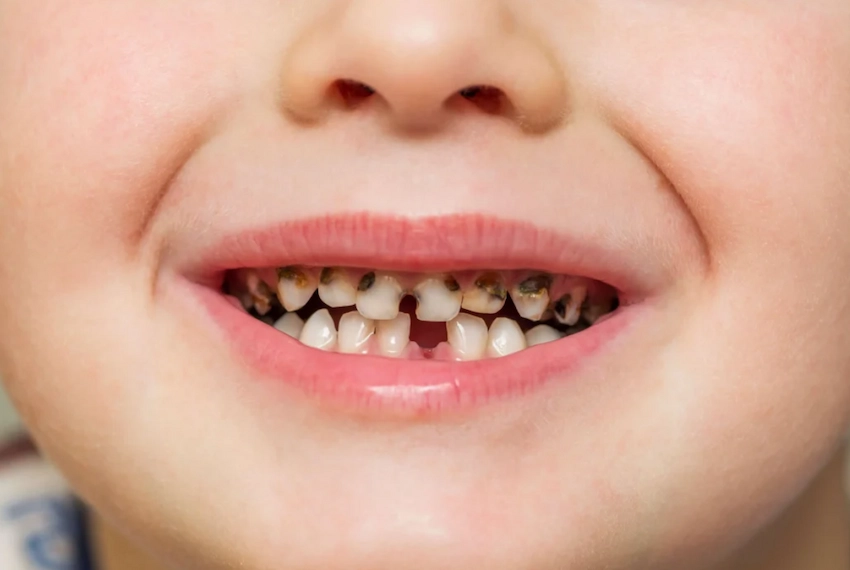
Sometimes gray and green discoloration can be a sign of specific issues and, in these cases, professional care is required.
Why?
- Gray Staining: One of the main reasons for gray discoloration of the dental crown is the so-called traumatic tooth injury. Alongside a great impact on the tooth, blood vessels inside the tooth might burst and cause bleeding. A resultant grayish tone of the tooth emerges. Professor Doctor Coşkun Yıldız suggests that dentists use a crown or a veneer to make the tooth look normal again if the discoloration is intense.
- Green Staining: Green stains mainly arise from bacterial growth in the oral cavity. Ignoring personal oral hygiene can elevate the bacteria which, in turn, yield green pigments that stain the teeth. The consumption of particular foods such as spinach or other leafy green vegetables can also be the cause of green staining.
Treatment: The treatment for gray and green stains consists of dental cleaning by a professional, whitening procedures, and if the case is severe enough, the use of restorative dentistry.
What Causes Yellow and Orange Discoloration?
The main reasons for yellow and orange discoloration of the teeth are poor oral hygiene which is most often the root cause of these discolorations or improper dietary habits.
Causes:
- Plaque and Tartar Buildup: When plaque which is normally found on a person’s teeth is also visible you may notice that it is giving a yellowish tinge to your teeth while tartar accumulation can make you see orange spots especially at the gum line.
- Dietary Factors: Teeth can get yellow and be stained from decay as a result of foods and drinks rich in sugars, e.g., fruit juices or sweet candies. One way that the staining is stopped is with the reduction of sugary food and drink consumption.
- Medication Use: The consumption of certain antibiotics may lead to a list that may result in yellow or orange staining of the teeth. Professor Doctor Coşkun Yıldız points out that parents should be careful and supervise the administration of any medication that has the potential to cause discoloration.
Treatment Options: Besides this, everyday proper brushing and cleaning performed by a dentist are the indispensable steps for getting rid of surface stains. If the discoloration is still there, one can think of whitening treatment or veneers as alternatives.
How Are Tooth Discolorations Treated?

Tooth discoloration can cause a child’s teeth that be visibly unpleasing, and tooth problems may also be hinted by it. There are, in general several ways to treat tooth discoloration, and the choice of one will depend on its severity and what kind of discoloration it is. Apart from the aesthetic aspect, the health concern of the child’s teeth is also being taken care of by the treatments. Cleanings as well as more complex restorative procedures can be a part of the treatment depending on the case.
1. Professional Teeth Cleaning
One of the most successful methods for extrinsic stain (the deposits on the outside of the tooth) removal is regular professional cleanings. Tartar, plaque and superficial stains caused by food and drinks are some of the things that a dentist can easily take off the teeth. Dentist Polen Akkılıç and her team are in the field of pediatric dentistry and they also do cleanings that are more suitable and safer for children’s teeth. They consider it very important to treat the plaque at an early stage which is before it turns into tartar and thus may lead to discoloration of the teeth.
With special instruments, a dental hygienist removes the plaque and tartar accumulated on the tooth surface. So the cleaning includes even places that are hard to reach in between the teeth and along the gum line. Regular cleanings that are usually scheduled every six months are essential to blocking substances that cause discoloration.
2. Teeth Whitening
Teeth whitening can be a good solution to the extrinsic stains on the teeth caused by food, beverages, or lifestyle habits. Whitening done in the dentist’s office or at home is the two main types of treatment. Both ways employ bleaching agents like hydrogen peroxide to break down the stains on the teeth being broken down.
Office whitening treatments, which are usually done by professionals like Professor Doctor Coşkun Yıldız, give the quickest and most effective results. This procedure includes the application of the concentrated whitening material directly to the teeth, and then the light or laser is used to activate it. In just one visit, the doctor can achieve the lightening of teeth several shades making it the most used method for both children and adults who only have surface-level staining.
Comparatively cheaper home whitening methods are not as fast as the professional ones and generally require longer treatment times. They use custom trays that the child wears along with a weaker bleaching gel. This is often more suitable for children who may have sensitive teeth, but longer times of treatment may be needed.
3. Restorative Dentistry
As a rule, intrinsic staining of teeth with a discoloration of a deep nature inside the tooth, restorative treatments such as veneers or crowns, are used. Associate Professor Doctor Coşkun Yıldız indicates that children with discolored teeth caused by trauma, medication, or excessive fluoride exposure (fluorosis) are the best candidates for these treatments. Besides, these therapies allow us to renew your teeth while also having a straightforward aesthetic treatment.
One of the most commonly used treatment options for intrinsic discoloration is Porcelain Veneers which are tightly fitting, custom-made shells of the tooth-colored substance that bond directly to the front part of the teeth. Deep stains can be totally covered with these restorations while the teeth’s size and alignment can also be corrected if needed.
A Dental Crown is a type of cover that wraps around a tooth entirely, thus suitable for a severely discolored tooth or a tooth that is both decayed and injured. Each dental crown is designed specifically for a particular tooth and therefore it not only restores the beauty but also allows the tooth to function again.
On the one hand, both dental bridges and dental implants are made of sturdy materials that can endure for a long time and even offer permanent results, on the other hand, they are the options, that are mostly considered when it is desired to rehabilitate a child’s smile, mainly if the discoloration has been caused by internal factors.
4. Fluoride Treatment
Fluoride is a mineral that is found in nature and is highly beneficial both for the strengthening of tooth enamel and for the prevention of tooth decay. As a matter of fact, fluorosis becomes evident by a dental graph that presents a picture of white/yellow spots on teeth due to too-high intake of fluorides during the time of tooth development. In short, children need gradual increments first and then they will reach the correct way of usage. Only extreme cases of fluorosis can benefit from such treatments. Thus they may not be able to remove the given stains but they could help prevent them from progressing if there is any enamel left to strengthen besides the already affected one.
In such cases where fluorosis is mild and only slight discoloration is present, professional cleaning and minor whitening treatments may be sufficient. If, on the other hand, fluorosis is so severe that the teeth’s appearance can barely be recognized, then veneers or crowns would be the first choice to completely regain health and beauty.
5. Preventive Measures
For instance, preventive care should be the leading concern for the preservation of teeth in good condition and the avoidance of discoloration. A child that caring is taught by the mother and the father has to take care of his/her teeth in the early years. The care should be: brushing and flossing once a day, using fluoride toothpaste, and cutting down on the consumption of sugary foods and drinks. In addition, children need to go to a pediatric dentist such as Dentist Polen Akkılıç for their regular check-ups and cleanings, in general, every six months.
The deficiency in diet is among the major reasons for tooth discoloration, so the most necessary thing to do is to reduce the consumption of acidic foods, sugary snacks, and dark beverages such as cola, tea, and coffee. Staining is the least likely way to occur if a child who had eaten such drinks and foods rinses his/her mouth with water. At least parents should encourage children to drink enough water during the day so that their teeth become healthy and well-hydrated.
REFERENCES:
- American Dental Association. (2021). Fluoride and fluorosis: What you need to know. Retrieved from https://www.ada.org
- American Academy of Pediatric Dentistry. (2019). Policy on the dental home. Pediatric Dentistry, 41(5), 12-14. https://doi.org/10.22319/jped.2019.0010
- Chung, M. H., & Lee, J. H. (2020). Pediatric dental care: Preventing tooth discoloration. Journal of Pediatric Dentistry, 42(3), 118-123. https://doi.org/10.1016/j.jpdent.2019.10.004
- Küçük, M., & Karadaş, M. (2022). Fluorosis and its effects on tooth enamel. Journal of Clinical Pediatric Dentistry, 43(2), 111-117. https://doi.org/10.1016/j.jcpdent.2021.10.010
- Professor Doctor Coşkun Yıldız. (2021). A guide to pediatric dentistry: Diagnosis and treatment. Istanbul University Press.
- Polen Akkılıç, D. (2022). Modern pediatric dentistry: Advanced techniques and preventive care. Istanbul Dental Publishing.
FAQ: What Causes a Child’s Teeth Discoloration? How Is It Treated?
Tooth discoloration in children can be treated with professional cleanings, whitening treatments, or restorative dentistry, depending on the severity and cause.
Brown spots are usually caused by plaque buildup, cavities, or staining from dark beverages and foods. Regular brushing, flossing, and professional cleanings can help reduce these spots.
Yellow teeth can be caused by poor oral hygiene, excess fluoride intake, or consuming sugary or acidic foods and drinks. Professional cleaning and whitening treatments can help.
Teeth darken due to plaque accumulation, cavities, trauma, or medications. Consistent oral care and professional treatments can prevent further darkening.
Tartar buildup must be removed by a dentist during a professional cleaning. Regular brushing and flossing help prevent tartar accumulation.
Yellow teeth in children can be whitened with professional whitening treatments or restorative options like veneers. Good oral hygiene and limiting staining foods can also help prevent yellowing.
Yellow teeth in babies are usually caused by poor oral hygiene, overexposure to fluoride, or a diet high in sugary or acidic foods.
Tartar buildup in babies can only be removed by a dentist. Parents should maintain proper oral hygiene practices to prevent tartar formation early on.

