

Verborgen risico's: prothesekleef op tandkroon
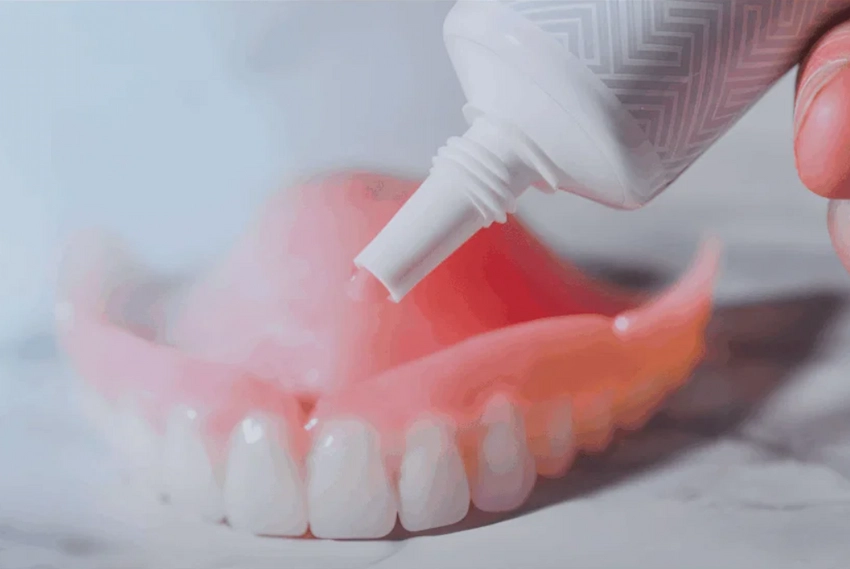
Het gebruik van prothesekleefmiddel voor een tandkroon kan leiden tot een slechte pasvorm, lekkage, irritatie en falen van de kroon.
Dingen kunnen in een oogwenk veranderen. Het ene moment geniet u van uw maaltijd, het volgende moment merkt u door een stevig bultje in uw mond dat uw tandkroon los is geraakt. U raakt in paniek en haast u naar uw medicijnkastje, om daar een tube kunstgebitlijm te vinden. Aangezien het kunstgebitten stevig op hun plaats houdt, denkt u dat het ook voor een tandkroon zou moeten werken. De zaken liggen echter heel anders dan u denkt. Het gebruik van zo'n pasta voor een vaste tandkroon is niet alleen ineffectief. Sterker nog, het kan ernstige en langdurige schade aan uw natuurlijke tand veroorzaken. Bij de Lema Tandkliniek in Turkije, gebruiken we onze klinische ervaring om patiënten te behandelen die, in paniek, dit soort zelfreparatie proberen. We begrijpen het. Tandeloos zijn of een blootliggende zenuw hebben, kan al een nachtmerrie op zich zijn. We moeten echter eerst begrijpen waarom deze kortetermijnoplossing een slecht idee is.De natuurlijke tand als basis van een kroon
De schadelijke effecten van de verkeerde lijm
Het is nog onduidelijk wat de gevolgen zijn van het gebruik van een verkeerd kleefmiddel.- Snel verval: De luchtdichte afsluiting is gecompromitteerd. De tandkroon en tand worden een broedplaats voor bacteriën. Binnen enkele weken kan uw tand zo verrot zijn dat deze verwijderd moet worden.
- Verstikkingsgevaar: Wat sterkte betreft, komt prothesekleefpasta niet in de buurt van het niveau dat nodig is om te kauwen. Het zal dus geen verrassing zijn als de kroon er weer afvalt. Dit is normaal gesproken wat er gebeurt: u eet of slaapt. Een kroon in de keel krijgen is slecht, terwijl het in de longen krijgen een levensbedreigende gebeurtenis is.
- Orthodontische problemen: Door de dikte van prothesekleefmiddel wordt voorkomen dat de kroon volledig op de tand rust. Dit resulteert in een verkeerde beet. De andere tanden zullen worden blootgesteld aan overmatige kracht, omdat ze de hoge plek van de verhoogde kroon zullen raken wanneer de mond gesloten is. Een pijnlijke kaak en diep pijnlijke tandwortels zijn de gevolgen.
De juiste klinische procedure
Uw opties voor een losse kroon vergelijken
| Optie | Mechanisme | Biologische risico's | Klinisch oordeel |
| Prothesekleefmiddel | Tijdelijke kleverige zuigkracht | Zeer hoog. Veroorzaakt lekkages, zeer snel tandbederf en ook verstikking. | Absoluut niet aanbevolen. |
| Tandheelkundig cement van de apotheek | Tijdelijke zwakke pasta | Matig. Houdt 1-2 dagen. Risico op kleine lekkages. | Alleen acceptabel bij extreme pijn waarbij het de enige uitweg voor de patiënt is. |
| Professionele hercementering | Chemische harsverbinding | Geen. Sluit de tand volledig af en voorkomt bacteriën. | Veilige, effectieve langetermijnoplossing. |
Vragen van patiënten: van de dokterstafel
Academische referenties
- Rosenstiel, S. F., Land, M. F., & Fujimoto, J. (2015). Contemporary Fixed Prosthodontics (5th ed.). Mosby.
- Heintze, S. D. (2013). Clinical relevance of tests on bond strength, microleakage, and marginal adaptation. Dental Materials, 29(1), 59-84.
- Wadhwani, C., & Pineyro, A. (2012). Technique for controlling the cement for an implant crown. The Journal of Prosthetic Dentistry, 108(1), 54-56.
- Pameijer, C. H. (2012). A review of luting agents. International Journal of Dentistry, 2012, Article ID 752861.
- Donovan, T. E., & Cho, G. C. (1999). Contemporary evaluation of dental cements. Compendium of Continuing Education in Dentistry, 20(3), 197-199.
Veelgestelde vragen
What is the first thing I should do if my crown falls off?
First, try to locate the crown, and when you find it, rinse it in water gently till all loose dirt is gone. Keep the crown safely in a small container. In case you have to tidy your exposed tooth while the crown is absent, use a soft-bristled toothbrush, but be very gentle so that you do not do any harm. Call your dentist immediately and try to stay away from chewing on that side of your mouth till the visit.
Do I have some safe, over-the-counter glues that I could use?
Pharmacy-bought temporary dental cements are always a good option if you are away on a trip and cannot get to a dentist for another couple of days. Be sure to keep in mind that it should be used only if the pain due to the exposed tooth is so severe that it cannot be borne. Completely avoid superglue and denture paste for dental use.
Will I have to get a new crown?
We do not have to, as long as the crown itself is still intact and the condition of the tooth that is under the crown is such that it does not require any intervention. In many cases, what we do is just clean the original crown and re-bond it.
Is it painful to have a crown reattached?
You do not need to worry. Although some patients do feel a bit of sensitivity to cold air or water when their teeth are being cleaned, the discomfort can be managed with the help of pain anesthesia and a spray. Also, the actual "using the glue" step of the process is without pain.
How come my crown got loose in the first place?
It could be one or even a mixture of three possibilities. Consuming candies or other sticky foods, such as caramel,l is one. Teeth grinding at night, also called bruxism, can lead to cement breakdown and thus loosening of the crown. The last possibility is when tooth decay happens in the place where the tooth and the crown meet.