

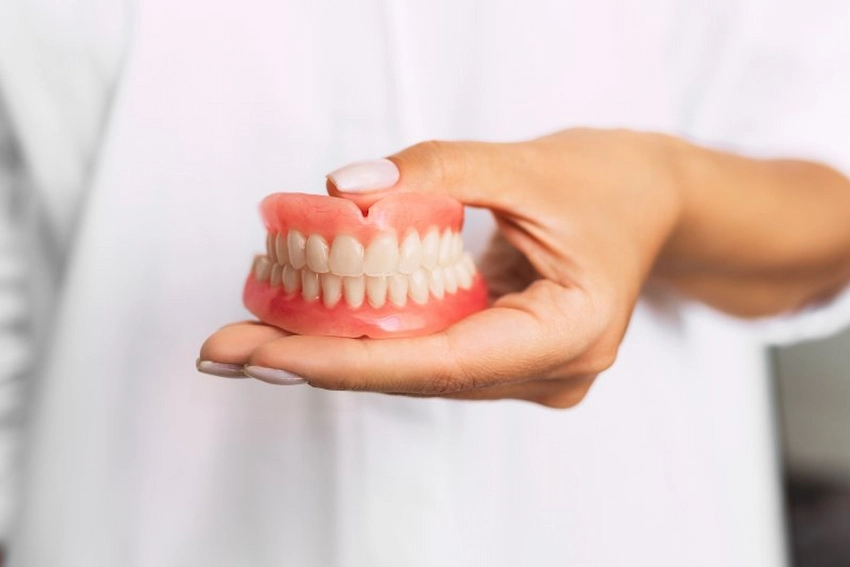
Hoe werkt kleefpoeder voor gebitsprotheses?
Poederkleefmiddel mengt zich met speeksel om het kunstgebit te helpen hechten.
Loszittende gebitsprothese kan een groot ongemak zijn, niet alleen esthetisch, maar ook wat betreft zelfvertrouwen, eetplezier en zelfs de angst dat uw tanden verschuiven tijdens het praten. Kortom, u kunt nooit helemaal in het moment zijn. De waarheid is dat onze gezichten veranderen naarmate de jaren verstrijken – uw kaak wordt korter en dunner. Zelfs gebitsprothesen die er aanvankelijk geweldig uitzagen, kunnen na een paar jaar wat te kort zijn – en dan is de vraag: waar komen kleefmiddelen in beeld? Veel mensen kiezen voor de zware pasta's. De poedervorm van kunstgebitlijm is echter een geweldige, moeiteloze optie. Toch blijft de vraag: hoe geeft die kleine hoeveelheid poeder zoveel houvast? Laten we er dieper op ingaan.De mechanica achter de hechting
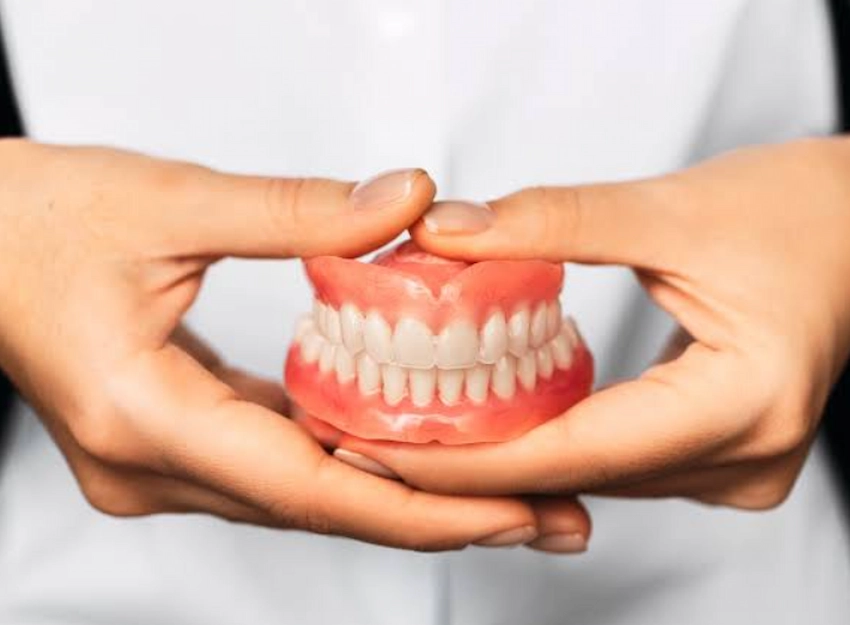
Poeder versus pasta: wat is het juiste voor u?
Welke is beter: poeder versus crème/pasta? Beide hebben hetzelfde doel: u helpen om vele maanden met dezelfde gebitsprothese te blijven zonder te wisselen. Aan de andere kant zijn hun toepassingen een beetje verschillend.| Kenmerken | Poederkleefmiddelen | Crème-/Pastakleefmiddelen |
| Filmdikte | Superdun, nauwelijks detecteerbaar | Zwaar, kan de beet veranderen |
| Reiniging | Zeer eenvoudig, alleen spoelen met water | Kan kleverig worden en moeilijk te verwijderen zijn |
| Knoeien | Schoon, morst waarschijnlijk niet | Kan lekkage naar de mondhoeken veroorzaken als er te veel van wordt gebruikt |
| Aanbevolen voor | Goed passende gebitsprotheses die weinig hulp nodig hebben | Oudere gebitsprotheses met grotere openingen |
| Werkingsduur | Tot 12 uur | Tot 12 uur |
Speciaal advies over het gebruik van poeder van tandartsen in Istanbul
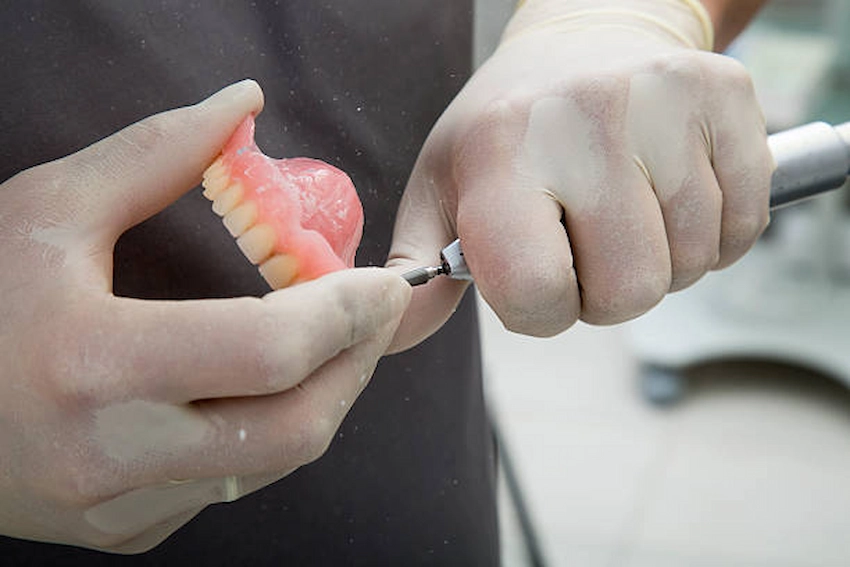
- Was uw gebitsprothese met wat water: Maak de prothese nat zodat deze een beetje vochtig is. Hier ligt de truc. Het poeder begint alleen te werken in aanwezigheid van water.
- Slechts een zeer dunne laag: Open de fles niet in één keer. Haal slechts een beetje poeder tegelijk eruit door tegen de fles te drukken. Een zeer fijne laag moet het deel bedekken waar de gebitsprothese in de mond op rust.
- Schud het overtollige eraf: Houd uw gebitsprothese boven de wasbak en tik heel voorzichtig op de achterkant totdat al het overtollige poeder eraf is gevallen. Op deze manier krijgt u slechts één laag, waar uw vochtige oppervlak was, en niets anders.
- Goede grip krijgen: Plaats de gebitsprothese in uw mond, bijt samen en blijf een paar seconden bijten. Op die manier blijft de gebitsprothese in een vaste positie.
Veelgestelde vragen
Academische referenties
- Grasso, J. E. (2004). Denture adhesives: changing attitudes. The Journal of the American Dental Association, 135(1), 81-86.
- Koran, A. (1989). The use of denture adhesives as an aid to denture treatment. The Journal of Prosthetic Dentistry, 62(6), 711-715.
- Bartlett, D. W., & Carter, N. E. (2013). The role of denture adhesives in the management of complete dentures. British Dental Journal, 214(8), 385-388.
- Zhao, K., & Cheng, X. R. (2011). Effect of different types of denture adhesives on the retention of maxillary complete dentures. Journal of Oral Rehabilitation, 38(6), 462-468.
- Coates, A. J. (2000). Usage of denture adhesives by complete denture patients. International Journal of Prosthodontics, 13(1), 43-48.
Veelgestelde vragen
What is the recommended amount of powder?
Sprinkle powder just enough to get a fine layer that evenly covers all the areas of the denture that are going to come in contact with the gum, just like dusting a pan with flour before baking. If the surface of the denture is covered in clumps of powder, that means that there was an excessive amounts used.
Is it possible to use powder on my two dentures? I.e., one above one.
Yes. With an upper denture, it is like giving a denture some extra suction force through a tiny vacuum. Whereas, for a lower denture, it is more about creating a sort of an extra layer to prevent sliding, because, due to the structure and orientation of lower jaws (with very few teeth to hold a lower denture in place compared to the upper one), we always have issues with the lower ones.
How to clear away the remaining part of the powder from the gums?
Apart from the advantages it has in being extremely good adhesive, one of the major benefits of using powder is that it's not going to stick to your gums. It is really simple to get rid of it - just drink some water and then, with the help of a gentle motion, rub your gums with an ultra-soft toothbrush, for example, or you may also use a wet cloth.
How safe is it if I accidentally ingest a small amount of this substance?
All of the powders that you can purchase from your regular supermarkets are composed of harmless ingredients, not only to use externally but also accidentally to swallow them. However, swallowing a small amount is definitely not a reason to worry about the potential harm it may cause to the body.
Will the use of powder really fix my very loose denture?
Towards a more secure denture, adhesives will help, and a tighter grip to the mouth is achieved as a result of that. But, on the other hand, it does not really correct an ill fit. In most severe cases, dentures that either rock on the bottom with little resistance from the gum or that cause the patient pain will require a clinic visit to recontour the dentures or even to consider dental implants to replace the natural teeth completely if the bone loss is significant.