

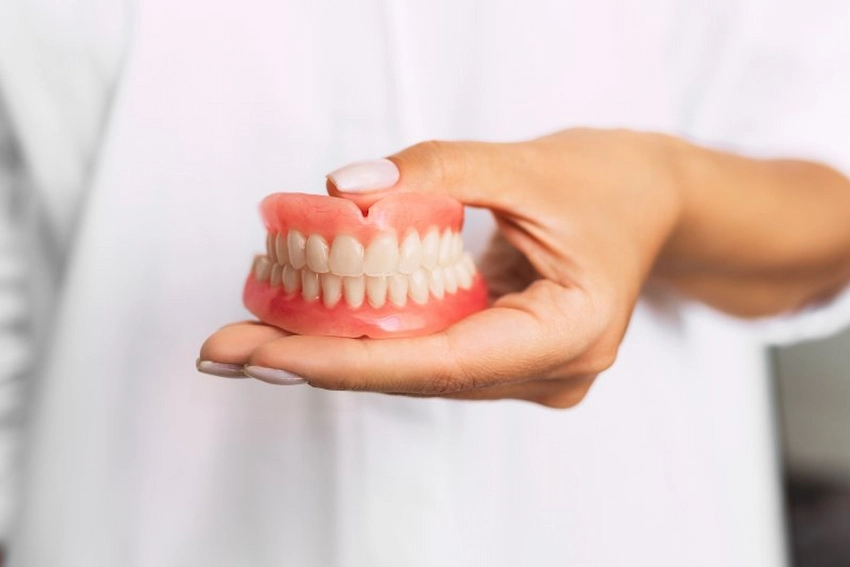
¿Cómo funciona el adhesivo en polvo para prótesis dentales?
El adhesivo en polvo se mezcla con la saliva para ayudar a que las prótesis se fijen.
Prótesis dentales sueltas pueden ser un gran inconveniente, no solo estéticamente, sino también en términos de confianza, disfrute al comer e incluso la ansiedad que puede sentir de que sus dientes se salgan de su lugar al hablar. Básicamente, nunca podrá estar totalmente presente. La verdad es que nuestros rostros cambian con el paso de los años: la mandíbula se vuelve más corta y delgada. Incluso las prótesis dentales que inicialmente se veían muy bien pueden quedar un poco cortas un par de años después, y entonces la pregunta es: ¿dónde entran en juego los adhesivos? Muchas personas optan por las pastas densas. Sin embargo, la forma en polvo de los adhesivos para dentaduras postizas es una opción excelente y sencilla de elegir. Sin embargo, la pregunta sigue siendo: ¿cómo esa pequeña cantidad de polvo proporciona tanta sujeción? Profundicemos un poco más.La mecánica detrás de la sujeción
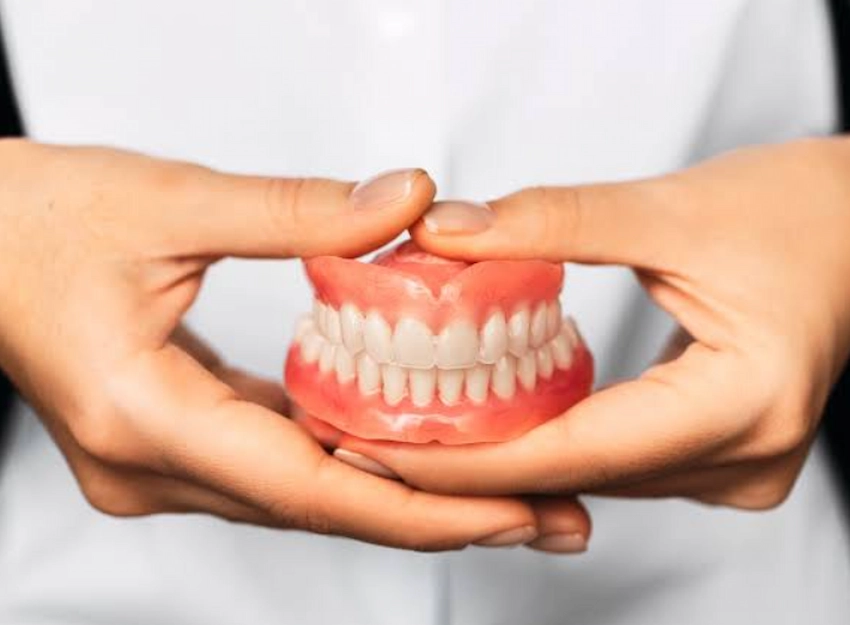
Polvo vs. Pasta: ¿Cuál es el adecuado para usted?
¿Cuál es mejor: polvo o crema/pasta? Ambos tienen el mismo propósito de ayudarle a mantener la misma prótesis dental sin necesidad de cambiarla durante muchos meses. Por otro lado, sus aplicaciones son un poco diferentes.| Características | Adhesivos en Polvo | Adhesivos en Crema/Pasta |
| Grosor de la Película | Súper delgada, apenas detectable | Densa, puede alterar la mordida |
| Limpieza | Muy sencilla, solo enjuagar con agua | Puede volverse pegajosa y difícil de quitar |
| Desorden | Limpio, poco probable que se derrame | Puede causar fugas en las comisuras si se usa en exceso |
| Recomendado para | Prótesis bien ajustadas que requieren poca ayuda | Prótesis bastante antiguas con espacios más grandes |
| Duración | Hasta 12 horas | Hasta 12 horas |
Consejos especiales sobre el uso de polvo de dentistas en Estambul
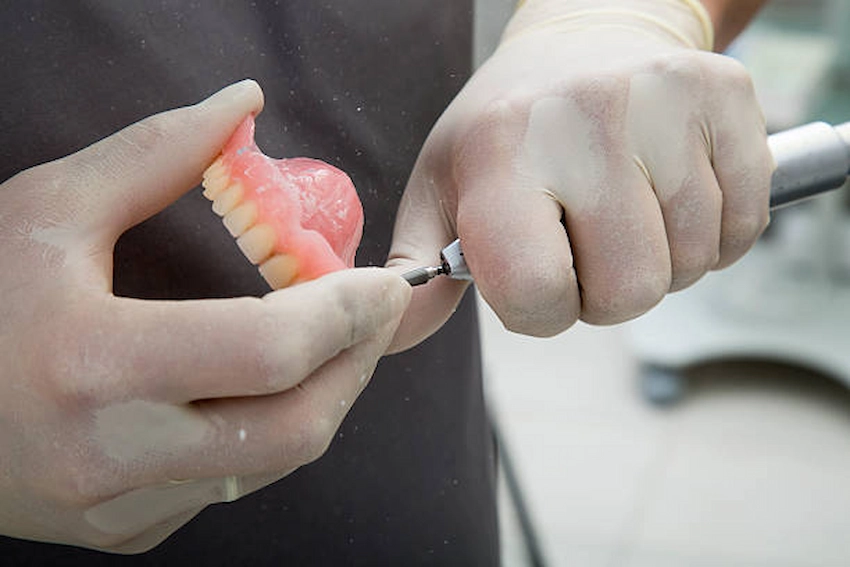
- Lave su prótesis dental con un poco de agua: Humedezca la prótesis para que tenga un poco de humedad. El truco está aquí. El polvo comenzará a funcionar solo con la presencia de agua.
- Solo una capa muy fina: No abra el frasco de golpe. Saque solo un poco de polvo cada vez presionando el frasco. Una capa muy fina debe cubrir la parte sobre la que descansa la prótesis dentro de la boca.
- Sacuda el exceso: Sostenga su prótesis sobre el lavabo y golpee suavemente la parte posterior hasta que todo el exceso de polvo se haya caído. De esta manera, obtendrá solo una capa, donde estaba su superficie húmeda, y nada más.
- Obtener un buen agarre: Coloque la prótesis en su boca, muerda y no deje de morder durante unos segundos. De esa manera, la prótesis permanecerá en una posición fija.
Preguntas Frecuentes
Referencias Académicas
- Grasso, J. E. (2004). Denture adhesives: changing attitudes. The Journal of the American Dental Association, 135(1), 81-86.
- Koran, A. (1989). The use of denture adhesives as an aid to denture treatment. The Journal of Prosthetic Dentistry, 62(6), 711-715.
- Bartlett, D. W., & Carter, N. E. (2013). The role of denture adhesives in the management of complete dentures. British Dental Journal, 214(8), 385-388.
- Zhao, K., & Cheng, X. R. (2011). Effect of different types of denture adhesives on the retention of maxillary complete dentures. Journal of Oral Rehabilitation, 38(6), 462-468.
- Coates, A. J. (2000). Usage of denture adhesives by complete denture patients. International Journal of Prosthodontics, 13(1), 43-48.
Preguntas frecuentes
What is the recommended amount of powder?
Sprinkle powder just enough to get a fine layer that evenly covers all the areas of the denture that are going to come in contact with the gum, just like dusting a pan with flour before baking. If the surface of the denture is covered in clumps of powder, that means that there was an excessive amounts used.
Is it possible to use powder on my two dentures? I.e., one above one.
Yes. With an upper denture, it is like giving a denture some extra suction force through a tiny vacuum. Whereas, for a lower denture, it is more about creating a sort of an extra layer to prevent sliding, because, due to the structure and orientation of lower jaws (with very few teeth to hold a lower denture in place compared to the upper one), we always have issues with the lower ones.
How to clear away the remaining part of the powder from the gums?
Apart from the advantages it has in being extremely good adhesive, one of the major benefits of using powder is that it's not going to stick to your gums. It is really simple to get rid of it - just drink some water and then, with the help of a gentle motion, rub your gums with an ultra-soft toothbrush, for example, or you may also use a wet cloth.
How safe is it if I accidentally ingest a small amount of this substance?
All of the powders that you can purchase from your regular supermarkets are composed of harmless ingredients, not only to use externally but also accidentally to swallow them. However, swallowing a small amount is definitely not a reason to worry about the potential harm it may cause to the body.
Will the use of powder really fix my very loose denture?
Towards a more secure denture, adhesives will help, and a tighter grip to the mouth is achieved as a result of that. But, on the other hand, it does not really correct an ill fit. In most severe cases, dentures that either rock on the bottom with little resistance from the gum or that cause the patient pain will require a clinic visit to recontour the dentures or even to consider dental implants to replace the natural teeth completely if the bone loss is significant.