

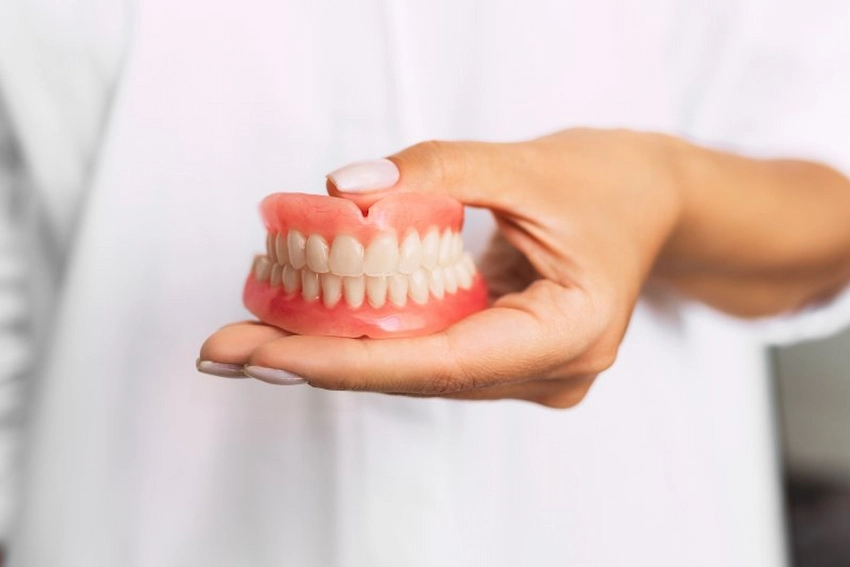
Wie funktioniert Haftpulver für Zahnprothesen?
Haftpulver vermischt sich mit Speichel, um den Halt von Zahnprothesen zu verbessern.
Lockere Zahnprothesen können ein großes Problem darstellen, nicht nur ästhetisch, sondern auch in Bezug auf Selbstvertrauen, Essvergnügen und sogar die Angst, dass Ihre Zähne beim Sprechen verrutschen könnten. Im Grunde können Sie nie ganz im Moment sein. Tatsächlich verändert sich unser Gesicht im Laufe der Jahre – Ihr Kiefer wird kürzer und dünner. Selbst Zahnprothesen, die anfangs großartig aussahen, können nach ein paar Jahren etwas zu kurz sein – und dann stellt sich die Frage: Wo kommen Haftmittel ins Spiel? Viele Menschen greifen zu den zähen Pasten. Die pulverförmige Variante des Haftmittels für Zahnprothesen ist jedoch eine großartige, mühelose Option. Doch die Frage bleibt: Wie kann diese geringe Menge Pulver so viel Halt geben? Lassen Sie uns etwas tiefer eintauchen.Die Mechanik hinter dem Halt
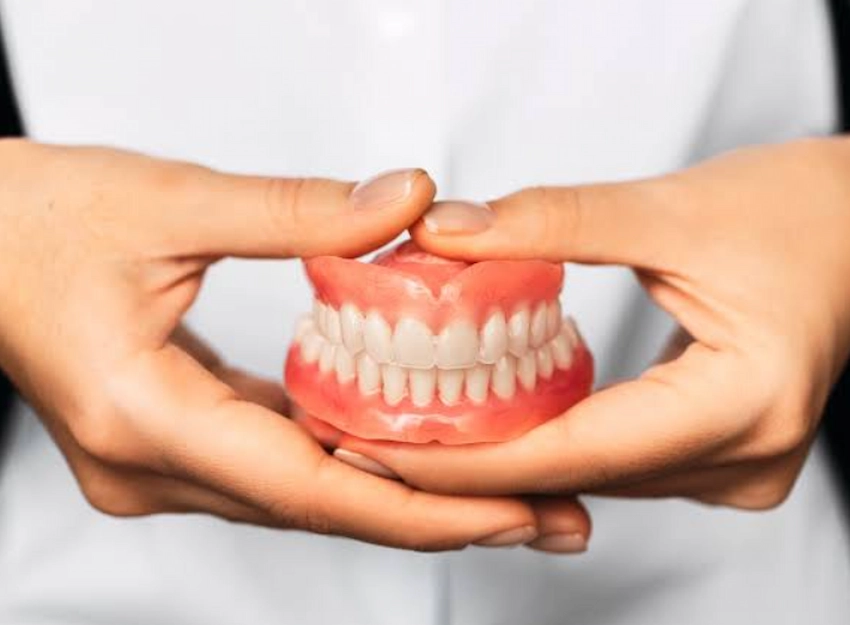
Pulver vs. Paste: Was ist das Richtige für Sie?
Was ist besser: Pulver oder Creme/Paste? Beide haben den gleichen Zweck, Ihnen zu helfen, viele Monate lang dieselbe Prothese zu tragen, ohne sie wechseln zu müssen. Ihre Anwendungen unterscheiden sich jedoch ein wenig.| Merkmale | Haftpulver | Haftcremes/-pasten |
| Filmdicke | Superdünn, kaum spürbar | Dick, kann den Biss verändern |
| Reinigung | Sehr einfach, nur mit Wasser abspülen | Kann klebrig und schwer zu entfernen sein |
| Verschmutzung | Sauber, läuft wahrscheinlich nicht aus | Kann bei zu viel Anwendung an den Rändern austreten |
| Empfohlen für | Gut sitzende Prothesen, die wenig Unterstützung benötigen | Ältere Prothesen mit größeren Lücken |
| Haltbarkeit | Bis zu 12 Stunden | Bis zu 12 Stunden |
Besondere Anwendungstipps für Pulver von Zahnärzten in Istanbul
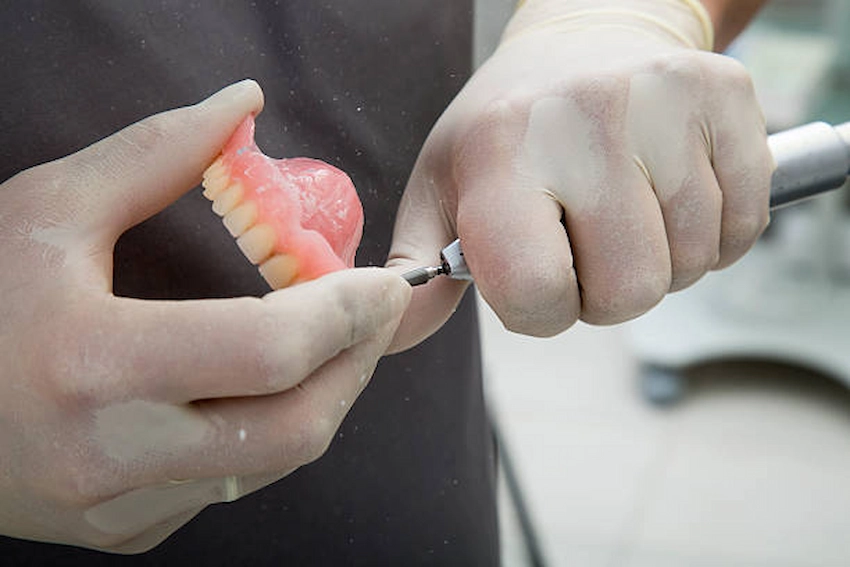
- Waschen Sie Ihre Prothese mit etwas Wasser: Befeuchten Sie den Zahn, sodass er etwas Feuchtigkeit aufweist. Hier liegt der Trick. Das Pulver beginnt nur in Anwesenheit von Wasser zu wirken.
- Nur eine sehr dünne Schicht: Öffnen Sie die Flasche nicht auf einmal. Nehmen Sie nur eine kleine Menge Pulver auf einmal heraus, indem Sie gegen die Flasche drücken. Eine sehr feine Schicht sollte den Teil bedecken, auf dem die Prothese im Mund aufliegt.
- Überschüssiges Pulver abschütteln: Halten Sie Ihre Prothese über das Waschbecken und klopfen Sie sehr vorsichtig auf deren Rückseite, bis das gesamte überschüssige Pulver abgefallen ist. Auf diese Weise erhalten Sie nur eine Schicht dort, wo Ihre feuchte Oberfläche war, und nichts anderes.
- Guten Halt bekommen: Setzen Sie die Prothese in Ihren Mund, beißen Sie zusammen und halten Sie den Biss einige Sekunden lang. So bleibt die Prothese in einer festen Position.
Häufig gestellte Fragen
Wissenschaftliche Referenzen
- Grasso, J. E. (2004). Denture adhesives: changing attitudes. The Journal of the American Dental Association, 135(1), 81-86.
- Koran, A. (1989). The use of denture adhesives as an aid to denture treatment. The Journal of Prosthetic Dentistry, 62(6), 711-715.
- Bartlett, D. W., & Carter, N. E. (2013). The role of denture adhesives in the management of complete dentures. British Dental Journal, 214(8), 385-388.
- Zhao, K., & Cheng, X. R. (2011). Effect of different types of denture adhesives on the retention of maxillary complete dentures. Journal of Oral Rehabilitation, 38(6), 462-468.
- Coates, A. J. (2000). Usage of denture adhesives by complete denture patients. International Journal of Prosthodontics, 13(1), 43-48.
Häufige Fragen
What is the recommended amount of powder?
Sprinkle powder just enough to get a fine layer that evenly covers all the areas of the denture that are going to come in contact with the gum, just like dusting a pan with flour before baking. If the surface of the denture is covered in clumps of powder, that means that there was an excessive amounts used.
Is it possible to use powder on my two dentures? I.e., one above one.
Yes. With an upper denture, it is like giving a denture some extra suction force through a tiny vacuum. Whereas, for a lower denture, it is more about creating a sort of an extra layer to prevent sliding, because, due to the structure and orientation of lower jaws (with very few teeth to hold a lower denture in place compared to the upper one), we always have issues with the lower ones.
How to clear away the remaining part of the powder from the gums?
Apart from the advantages it has in being extremely good adhesive, one of the major benefits of using powder is that it's not going to stick to your gums. It is really simple to get rid of it - just drink some water and then, with the help of a gentle motion, rub your gums with an ultra-soft toothbrush, for example, or you may also use a wet cloth.
How safe is it if I accidentally ingest a small amount of this substance?
All of the powders that you can purchase from your regular supermarkets are composed of harmless ingredients, not only to use externally but also accidentally to swallow them. However, swallowing a small amount is definitely not a reason to worry about the potential harm it may cause to the body.
Will the use of powder really fix my very loose denture?
Towards a more secure denture, adhesives will help, and a tighter grip to the mouth is achieved as a result of that. But, on the other hand, it does not really correct an ill fit. In most severe cases, dentures that either rock on the bottom with little resistance from the gum or that cause the patient pain will require a clinic visit to recontour the dentures or even to consider dental implants to replace the natural teeth completely if the bone loss is significant.