

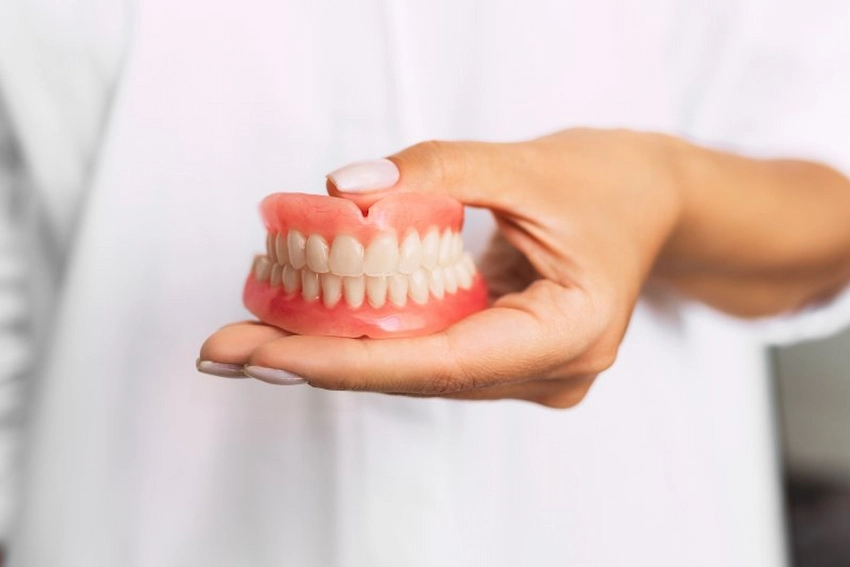
Cum funcționează adezivul pudră pentru proteze dentare?
Adezivul pulbere se amestecă cu saliva pentru a ajuta protezele dentare să adere.
Protezele dentare instabile pot fi o problemă majoră, nu doar din punct de vedere estetic, ci și în ceea ce privește încrederea, plăcerea de a mânca și chiar anxietatea de a vă simți dinții alunecând din loc atunci când vorbiți. Practic, nu puteți fi niciodată pe deplin prezent în moment. Adevărul este că fețele noastre se schimbă pe măsură ce anii trec – maxilarul devine mai scurt și mai subțire. Chiar și protezele dentare care arătau excelent inițial pot deveni puțin scurte după câțiva ani – și atunci se pune întrebarea: unde intervin adezivii? Mulți oameni optează pentru pastele dense. Cu toate acestea, forma pulbere a adezivilor pentru proteze dentare este o opțiune excelentă și fără efort. Totuși, întrebarea rămâne: cum poate o cantitate atât de mică de pulbere să ofere o aderență atât de mare? Să aprofundăm puțin.Mecanismul din Spatele Aderenței
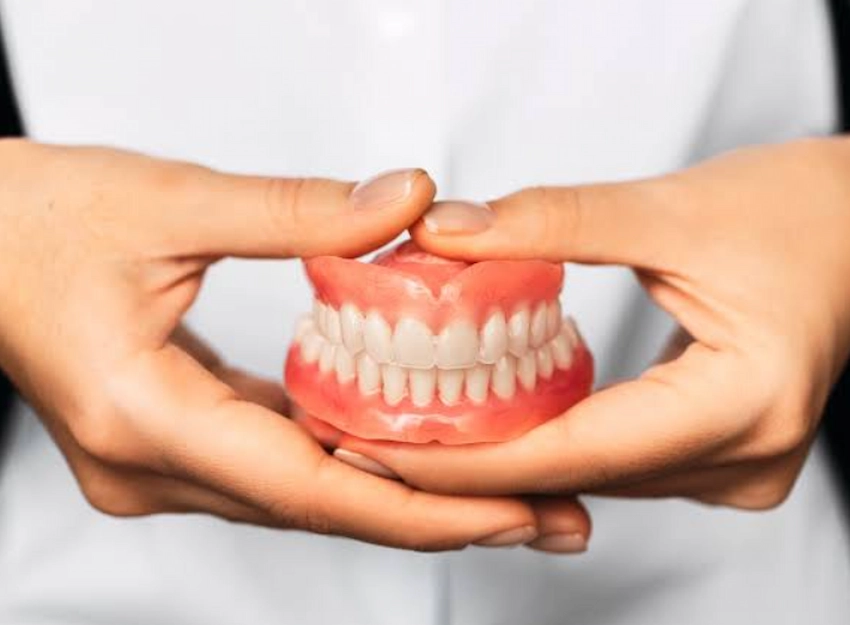
Pulbere vs. Pastă: Care este Potrivit pentru Dumneavoastră?
Care este mai bun: pulberea sau crema/pasta? Ambele au același scop de a vă ajuta să rămâneți cu aceeași proteză dentară fără a o schimba timp de multe luni. Pe de altă parte, aplicațiile lor sunt puțin diferite.| Caracteristici | Adezivi Pulbere | Adezivi Cremă/Pastă |
| Grosimea Filmului | Super subțire, abia detectabil | Gros, poate altera ocluzia |
| Curățare | Foarte simplu, doar clătire cu apă | Poate deveni adeziv și dificil de îndepărtat |
| Curățenie | Curat, puțin probabil să se verse | Poate provoca scurgeri la colțuri dacă este prea mult |
| Recomandat pentru | Proteze dentare bine adaptate, care necesită puțin ajutor | Proteze dentare destul de vechi, cu spații mai mari |
| Durată de acțiune | Până la 12 ore | Până la 12 ore |
Sfaturi Speciale privind Utilizarea Pulberii de la Medicii Stomatologi din Istanbul
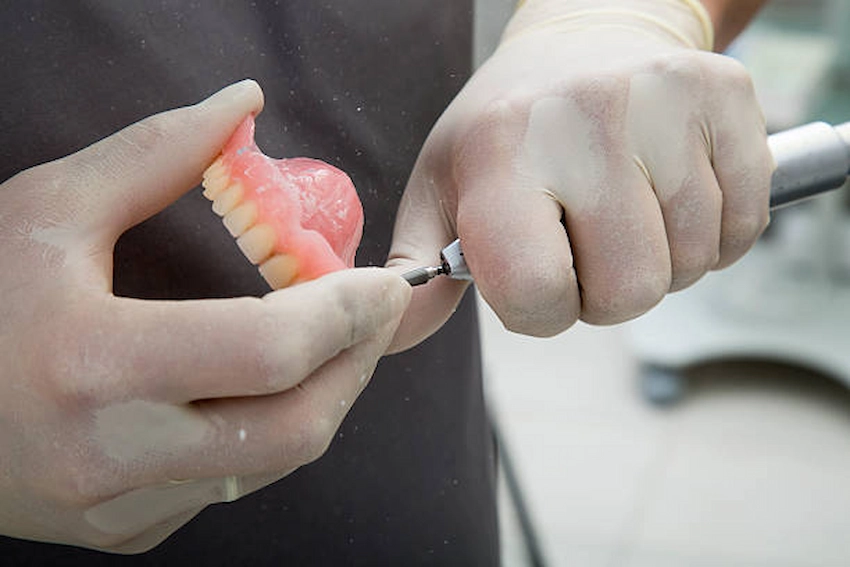
- Spălați-vă Proteza Dentară cu Apă: Udați proteza astfel încât să aibă puțină umiditate. Secretul stă aici. Pulberea va începe să acționeze doar în prezența apei.
- Doar un Strat Foarte Subțire: Nu deschideți sticla deodată. Scoateți doar puțină pulbere o dată, apăsând pe sticlă. Un strat foarte fin ar trebui să acopere partea pe care se așează proteza în interiorul gurii.
- Scuturați Excesul: Țineți proteza deasupra chiuvetei și bateți foarte ușor pe partea din spate până când tot excesul de pulbere a căzut. Astfel, veți obține doar un singur strat, acolo unde a fost suprafața umedă, și nimic altceva.
- Obținerea unei Aderențe Bune: Plasați proteza în gură, mușcați și nu încetați să mușcați timp de câteva secunde. Astfel, proteza va rămâne într-o poziție fixă.
Întrebări Frecvente
Referințe Academice
- Grasso, J. E. (2004). Denture adhesives: changing attitudes. The Journal of the American Dental Association, 135(1), 81-86.
- Koran, A. (1989). The use of denture adhesives as an aid to denture treatment. The Journal of Prosthetic Dentistry, 62(6), 711-715.
- Bartlett, D. W., & Carter, N. E. (2013). The role of denture adhesives in the management of complete dentures. British Dental Journal, 214(8), 385-388.
- Zhao, K., & Cheng, X. R. (2011). Effect of different types of denture adhesives on the retention of maxillary complete dentures. Journal of Oral Rehabilitation, 38(6), 462-468.
- Coates, A. J. (2000). Usage of denture adhesives by complete denture patients. International Journal of Prosthodontics, 13(1), 43-48.
Întrebări frecvente
What is the recommended amount of powder?
Sprinkle powder just enough to get a fine layer that evenly covers all the areas of the denture that are going to come in contact with the gum, just like dusting a pan with flour before baking. If the surface of the denture is covered in clumps of powder, that means that there was an excessive amounts used.
Is it possible to use powder on my two dentures? I.e., one above one.
Yes. With an upper denture, it is like giving a denture some extra suction force through a tiny vacuum. Whereas, for a lower denture, it is more about creating a sort of an extra layer to prevent sliding, because, due to the structure and orientation of lower jaws (with very few teeth to hold a lower denture in place compared to the upper one), we always have issues with the lower ones.
How to clear away the remaining part of the powder from the gums?
Apart from the advantages it has in being extremely good adhesive, one of the major benefits of using powder is that it's not going to stick to your gums. It is really simple to get rid of it - just drink some water and then, with the help of a gentle motion, rub your gums with an ultra-soft toothbrush, for example, or you may also use a wet cloth.
How safe is it if I accidentally ingest a small amount of this substance?
All of the powders that you can purchase from your regular supermarkets are composed of harmless ingredients, not only to use externally but also accidentally to swallow them. However, swallowing a small amount is definitely not a reason to worry about the potential harm it may cause to the body.
Will the use of powder really fix my very loose denture?
Towards a more secure denture, adhesives will help, and a tighter grip to the mouth is achieved as a result of that. But, on the other hand, it does not really correct an ill fit. In most severe cases, dentures that either rock on the bottom with little resistance from the gum or that cause the patient pain will require a clinic visit to recontour the dentures or even to consider dental implants to replace the natural teeth completely if the bone loss is significant.