

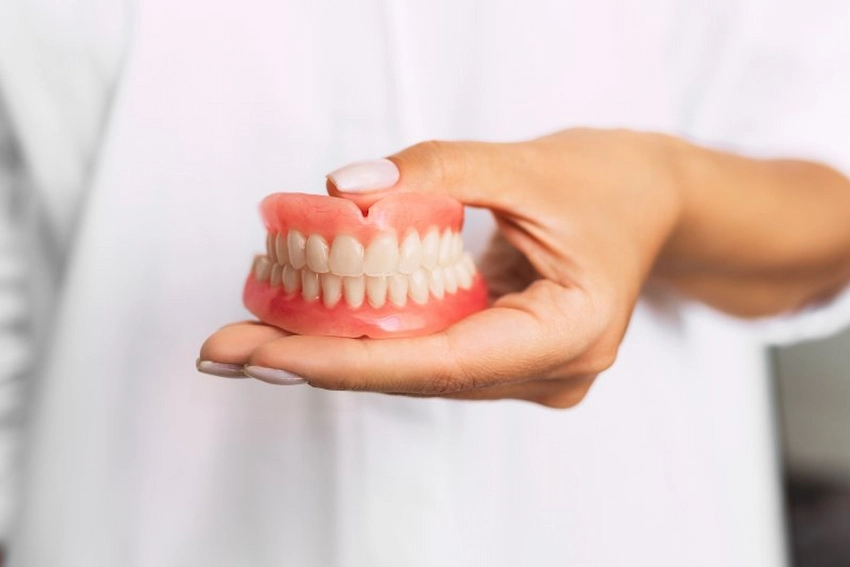
Come funziona l'adesivo in polvere per protesi dentarie?
L'adesivo in polvere si mescola con la saliva per aiutare le protesi a rimanere salde.
Le protesi mobili possono essere un grosso problema, non solo esteticamente, ma anche in termini di fiducia, piacere nel mangiare e persino l'ansia che i denti possano scivolare via mentre si parla. In pratica, non si può mai essere totalmente presenti nel momento. La verità è che i nostri volti cambiano con il passare degli anni: la mascella diventa più corta e sottile. Anche le protesi che inizialmente sembravano perfette potrebbero risultare un po' corte dopo un paio d'anni, e allora la domanda è: a cosa servono gli adesivi? Molte persone optano per le paste dense. Tuttavia, la forma in polvere adesivi per protesi dentarie è un'ottima opzione, senza sforzo. Eppure, la domanda rimane: come fa quella piccola quantità di polvere a garantire una tale tenuta? Approfondiamo un po'.La Meccanica Dietro la Tenuta
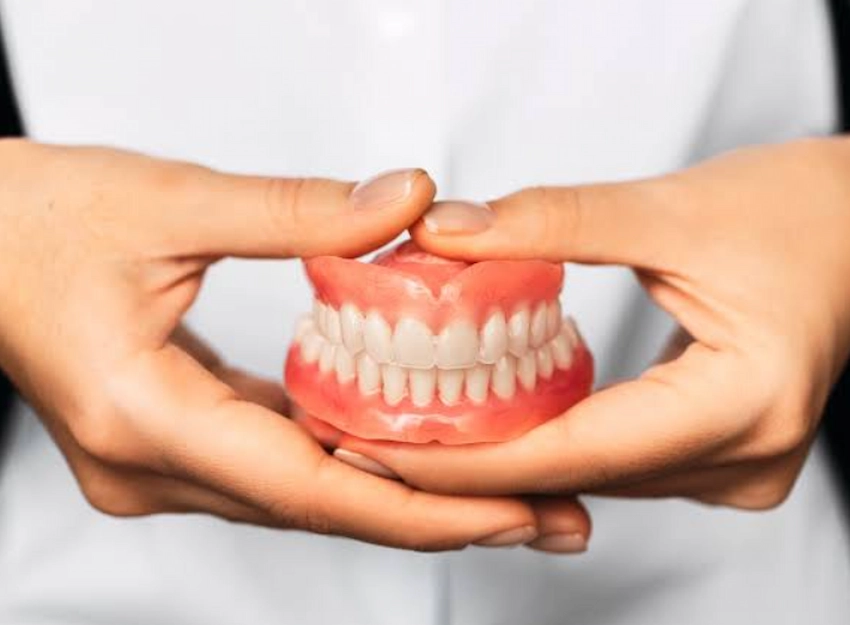
Polvere vs. Pasta: Qual è la Scelta Giusta per Te?
Qual è il migliore: polvere o crema/pasta? Entrambi hanno lo stesso scopo di aiutarti a mantenere la stessa protesi senza cambiarla per molti mesi. D'altra parte, le loro applicazioni sono un po' diverse.| Caratteristiche | Adesivi in Polvere | Adesivi in Crema/Pasta |
| Spessore del Film | Sottilissimo, quasi impercettibile | Spesso, può alterare l'occlusione |
| Pulizia | Molto semplice, basta sciacquare con acqua | Può diventare appiccicoso e difficile da rimuovere |
| Disordine | Pulito, difficilmente si rovescia | Può causare fuoriuscite agli angoli se in eccesso |
| Consigliato per | Protesi ben adattate che richiedono poco aiuto | Protesi piuttosto vecchie con spazi più ampi |
| Durata | Fino a 12 ore | Fino a 12 ore |
Consigli Speciali sull'Uso della Polvere dai Dentisti di Istanbul
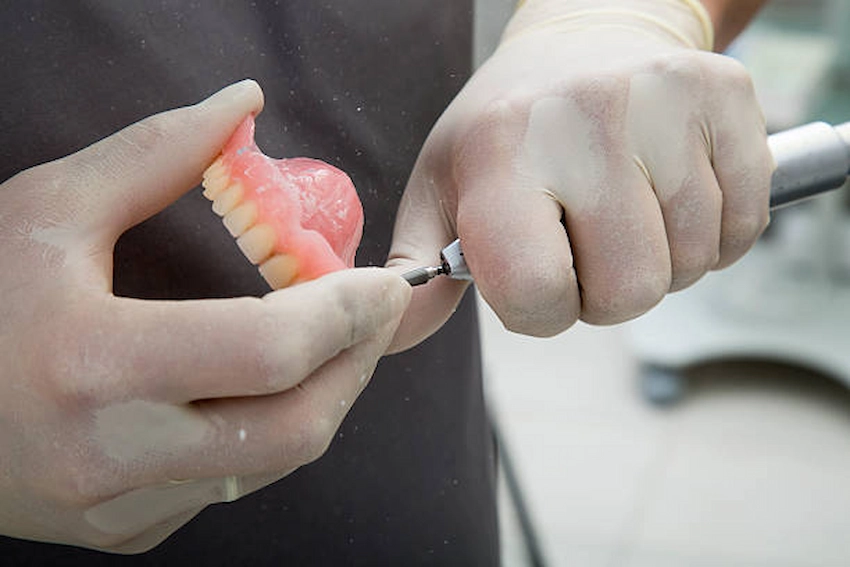
- Lava la tua protesi con un po' d'acqua: Inumidisci il dente in modo che abbia un po' di umidità. Il trucco sta qui. La polvere inizierà a funzionare solo in presenza di acqua.
- Solo uno strato molto leggero: Non aprire completamente il flacone. Preleva solo un po' di polvere alla volta premendo contro il flacone. Uno strato molto sottile dovrebbe coprire la parte su cui la protesi poggia all'interno della bocca.
- Scuoti via l'eccesso: Tieni la protesi sopra il lavandino e picchietta delicatamente sul retro finché tutta la polvere in eccesso non è caduta. In questo modo, otterrai un solo strato, dove c'era la tua superficie umida, e nient'altro.
- Ottenere una buona presa: Posiziona la protesi in bocca, stringi i denti e non smettere di mordere per alcuni secondi. In questo modo, la protesi rimarrà in una posizione fissa.
Domande Frequenti
Riferimenti Accademici
- Grasso, J. E. (2004). Denture adhesives: changing attitudes. The Journal of the American Dental Association, 135(1), 81-86.
- Koran, A. (1989). The use of denture adhesives as an aid to denture treatment. The Journal of Prosthetic Dentistry, 62(6), 711-715.
- Bartlett, D. W., & Carter, N. E. (2013). The role of denture adhesives in the management of complete dentures. British Dental Journal, 214(8), 385-388.
- Zhao, K., & Cheng, X. R. (2011). Effect of different types of denture adhesives on the retention of maxillary complete dentures. Journal of Oral Rehabilitation, 38(6), 462-468.
- Coates, A. J. (2000). Usage of denture adhesives by complete denture patients. International Journal of Prosthodontics, 13(1), 43-48.
Domande frequenti
What is the recommended amount of powder?
Sprinkle powder just enough to get a fine layer that evenly covers all the areas of the denture that are going to come in contact with the gum, just like dusting a pan with flour before baking. If the surface of the denture is covered in clumps of powder, that means that there was an excessive amounts used.
Is it possible to use powder on my two dentures? I.e., one above one.
Yes. With an upper denture, it is like giving a denture some extra suction force through a tiny vacuum. Whereas, for a lower denture, it is more about creating a sort of an extra layer to prevent sliding, because, due to the structure and orientation of lower jaws (with very few teeth to hold a lower denture in place compared to the upper one), we always have issues with the lower ones.
How to clear away the remaining part of the powder from the gums?
Apart from the advantages it has in being extremely good adhesive, one of the major benefits of using powder is that it's not going to stick to your gums. It is really simple to get rid of it - just drink some water and then, with the help of a gentle motion, rub your gums with an ultra-soft toothbrush, for example, or you may also use a wet cloth.
How safe is it if I accidentally ingest a small amount of this substance?
All of the powders that you can purchase from your regular supermarkets are composed of harmless ingredients, not only to use externally but also accidentally to swallow them. However, swallowing a small amount is definitely not a reason to worry about the potential harm it may cause to the body.
Will the use of powder really fix my very loose denture?
Towards a more secure denture, adhesives will help, and a tighter grip to the mouth is achieved as a result of that. But, on the other hand, it does not really correct an ill fit. In most severe cases, dentures that either rock on the bottom with little resistance from the gum or that cause the patient pain will require a clinic visit to recontour the dentures or even to consider dental implants to replace the natural teeth completely if the bone loss is significant.