You find yourself awake with an aching jaw, a terrible headache, or teeth that are very sensitive, and the reason is still a mystery. Most likely, you’re clenching your teeth without being conscious of it. This disorder is called sleep bruxism, and it is much more common than you think.
Initially, it might not seem harmful, but clenching and grinding teeth at night can eventually break the enamel, lead to chronic jaw pain, interfere with the sleep cycle, and erode dental restorations such as veneers or crowns. Being aware of the cause of the problem, its appearance at an early stage, and a proper course of treatment can bring a tremendous change to both your oral and general health. So, let’s get down to brass tacks.
Why Do We Clench Our Teeth While Sleeping?
Usually, teeth clenching at night is an involuntary act and takes place in the lighter sleep cycles. This habit may also show itself in kids and adults, although it is more common among individuals with high-pressure levels or people who do not sleep well. But what are the factors?
Common Reasons for Nighttime Clenching:
- Stress and Anxiety: Emotional stress is behind 90% of the nighttime teeth clenching, which results from daily tension typically discharged through the activity of the jaw muscles during sleep.
- Sleep Disorders: Disorders like snoring and obstructive sleep apnea are frequently hypotonic activities of airway dilators and are a high possibility of sleep bruxism.
- Malocclusion/Bite/Alignment: Malocclusion, or the jaw that cannot line up correctly, actually causes the muscles to work much harder during the night and the clenching process starts.
- Caffeine and Alcohol: These substances are huge stimulants for the central nervous system; in the case of evening intake, they can be particularly harmful. This can give a person an opportunity to overwork their jaws during sleep.
- Medications and Substances: There are some antidepressants and neurological medications, which may cause involuntary motor tics, e.g., jaw clenching.
If before sleeping you are in a relaxed state, your sub or unconscious mind will carry any unresolved tension over, unavoidably causing your body to react by doing convulsive jaw movements.
Reasons for Clenching Your Teeth Without Realizing It
It’s not only during the night that clenching is an issue. Many people unconsciously grind their teeth in the daytime—while working, driving, exercising—and they are not aware of it.
This problem is called ‘awake bruxism’, and it is very often the consequence of emotional or mental stimuli, not physical ones.
Why It Happens:
- Concentration: Heavy concentration, such as typing, driving, or studying, may inadvertently cause beginning clenching.
- Stress or Frustration: When you are stressed beyond limits or frustrated, among other signs, your jaws may tighten as you express the internal tension physically.
- Posture: Practical posture, with an emphasis on the neck and shoulders, has a great influence on the jaw alignment, increasing the risk of clenching.
- Habitual Behavior: A constant repetition of clenching to a habit that the brain will keep on repeating in similar situations, even if the stress has passed.
What’s so problematic, though? Being conscious while bruxing implies that you’d surely notice it, yet that’s a wrong assumption for the majority of people, for whoever does notice, the pain is already there.
Teeth grinding is a common problem yet a quiet one; occasionally, one might not be able to notice he/she is committing it. At first, the indications are subtle, but later they become more obvious.
Symptoms One Should Never Ignore:
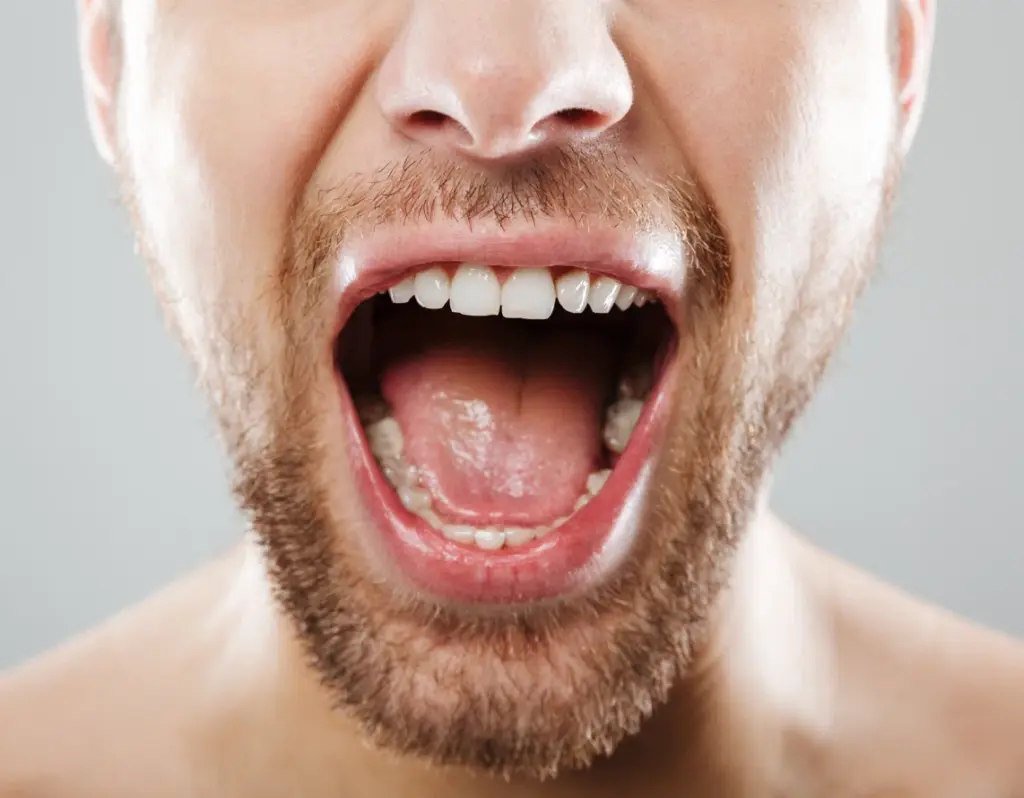
- Jaw Pain or Tightness: You might experience the pain mainly in the morning, right after you wake up.
- Frequent Headaches: The muscles on the jaw might become fatigued, and this could lead to tension headaches or migraines, probably even the next day.
- Worn Down or Flattened Teeth: If you observe a gradual loss of your enamel and there is no known reason for this, then it may be that you have been involuntarily rubbing or clenching your teeth.
- Tooth Sensitivity: If you exert pressure on the teeth, then this seems to lead to an increased reaction of the teeth to hot, cold, or sweet foods.
- Clicking or Popping Sounds: Every time you move your jaw, the cause is the pressing of the already straining joints.
- Cracked or Chipped Teeth: The extreme constrictions on the teeth, when the individual clenches their teeth, might lead to a breakout in a natural tooth or even destroy veneers, fillings, and crowns.
- Sleep Disturbances: You may be talking in your sleep or grinding your teeth so loudly that your bedmate can’t sleep, or likely, you may have problems sleeping well, and find that you are not well-rested when you wake up.
Failing to act on these signs could result in chronic dental problems, including TMJ disorders (temporomandibular joint dysfunction).
How to Stop Clenching Teeth?
There are several effective methods to restrain and therefore reduce both the number of sleep-related and daytime clenching episodes. The treatment process starts with a person being aware of this negative habit, and then continues with the treatment, but also gets professional help when it’s necessary.
1. Perform Jaw Relaxation
The best way to tackle jaw clenching, bruxism, or nighttime grinding is through doing exercises that are aimed at helping you relax your jaw. Before you really start doing it, be sure that in the course of the day, you are aware of your jaw position: the teeth column is gently touching while eating.
2. Stress Reduction Techniques
- Mindfulness & Meditation: They will help to completely free you from the accumulated tensions before they manifest in your physical body.
- Breathing Exercises: Deep breathing is a way to let your nervous system relax, which finally results in your muscles getting rid of all the tension.
- Yoga and Light Stretching: Performing these gentle exercises leads to better well-being by improving the body’s posture and relaxing the physical tensions in the neck, back, and face.
3. Stay Away From Stimulants
Stay away from coffee, energy drinks, and alcohol—especially coffee and alcohol after 4 PM. These substances are especially dangerous for your muscles as they will overstimulate them and then interfere with sleep cycles.
4. Daytime training
Using your phone as a helper is a great idea to both check your jaw and your schedule every 30–60 minutes. Are you clenching your jaw now? Are you able to release it by taking a few deep breaths? Doing this regularly will eventually result in increased neuromuscular awareness.
5. Warm-Up or Cool Down the Area
Nights are the perfect moments to get into the habit of using a cozy, warm or cold compress for the jaw muscles. These measures help in decreasing the inflammation as well as the stress in the muscles.
6. Bite Guard
A bite guard is a game-changer indeed. Permanent control over the clenching is not provided, but neither is the tooth surface being ground off tightly, nor is a lot of force acting on the jaw hinges if someone uses a guard at night. (More on this below.)
7. Visit a Dentist or Specialist
If the habit of clenching the jaw cannot be changed with the condition of lifestyle, make sure to see a dentist to investigate the cause of the misaligned bites or TMJ problems. They will also get a referral from a dentist to a physiotherapist or a sleep specialist in case that is required.
Bite Guard for Clenching Teeth

A bite guard or a so-called night guard is a protective device (also known as a night guard or occlusal splint). It is a device made of soft or hard plastic (i.e., a mouthguard) and is mostly worn at night. Put the mouthguard between the top and bottom of your teeth and close your mouth to form a natural lock.
Benefits of a Night Guard:
- Prevents the destruction of the enamel
- Relaxes the muscles of the jaw
- Shields the restorations, including veneers, crowns, and implants
- Improve the quality of sleep
- Reduces the occurrence of headaches and neck stiffness
Mass of Night Watch:
- Soft Night Guard: This type of night guard is the most flexible and comfortable, suitable for mild cases.
- Dual Laminate Guards: These guards have a tough exterior and a soft interior—very good for medium-range clenching.
- Hard Acrylic Guards: The type of night guard that can help you if you have severe grinding or TMJ problems, as resistant as they are fitted by a dentist.
Our dental clinic, Lema Clinic, is located in Istanbul, Turkey. Our specialists provide you the bite guards, which are made of fully compatible materials specifically for you.
FAQ (Frequently Asked Questions)
Teeth clenching at night is often caused by stress, anxiety, or disrupted sleep patterns. Your jaw muscles may tense involuntarily as your body processes tension during sleep.
Yes, long-term clenching can wear down enamel, cause tooth sensitivity, cracks, and even damage dental work like veneers or crowns.
A night guard is one of the most effective tools to protect your teeth from clenching damage. It helps reduce pressure and prevent enamel wear while you sleep.
You can reduce daytime clenching by practicing jaw awareness, managing stress, and correcting your posture. Regular reminders to relax your jaw can help break the habit.