


What Is Composite Bonding?
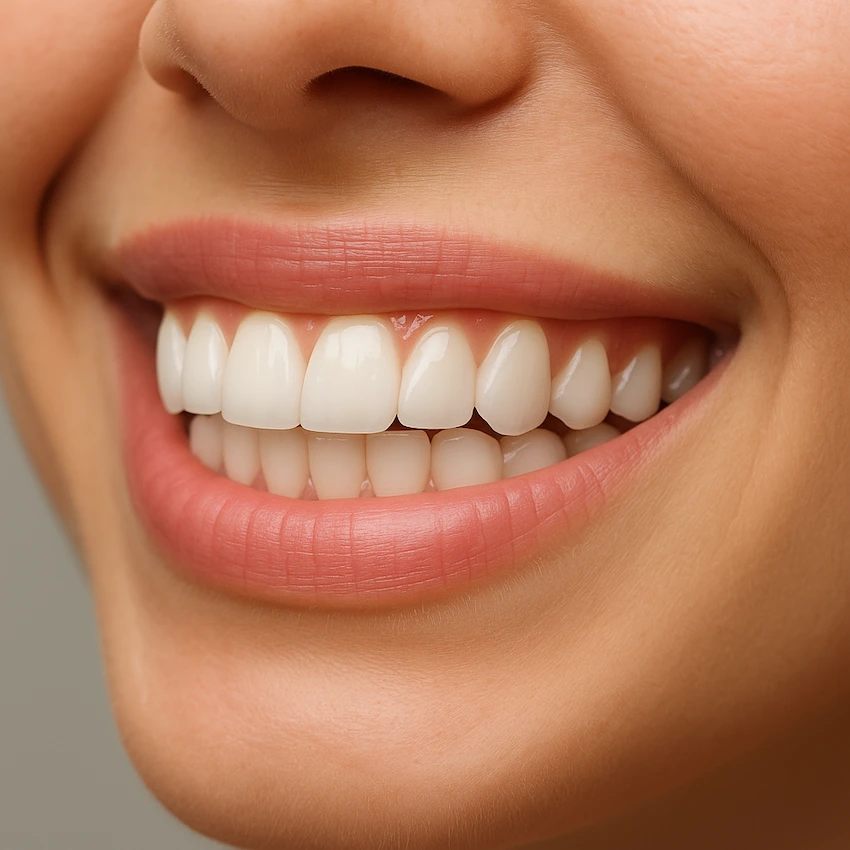
Composite bonding is an advanced and innovative method, one of the best minimally-invasive dental techniques utilized by general dentists to magically fix unsightly discolored, chipped, cracked, or misaligned teeth. 🦷 In this effective and amazing improvement process, the dentist applies a special tooth-colored resin that is artfully shaped and hardened to become the most natural-looking & durable for your smile and teeth, thereby making a significant change in your smile confidence.
This procedure does not require dentists to grudge your natural teeth like when they use crowns and veneers, which makes them less time-consuming and uncomfortable. Unlike crowns or veneers, which involve non-intrusive preparation of teeth, composite bonding is purely a conservative procedure, thereby making patients feel as minimal discomfort as possible, which in turn leads to shorter treatment time than normal.
Why Patients Worry About Pain
Many people suffer the agony of uncertainty and often wonder: “Does composite bonding hurt?” 😬 These agonizing concerns about pain become common as anyone is on the dentist chair, knowing that his natural tooth structure will be lightly touched. However, for the majority of the patients, the simple fact is that composite bonding is entirely painless, especially when you have a qualified, well-skilled dentist with enough experience.
However, this is not to say that patients do not feel anything at all. Some of the sensations patients could feel during the treatment include:
- Minor sensitivity during resin application: Patients may experience a peripheral feeling or discomfort in teeth that occur immediately below when the resin is being applied. This may be in the form of short-lived & harmless discomfort that will on average last for a few minutes.
- Slight discomfort if anesthesia is used for preparation (rare): Patients may have dull pain in the area when the injection is being made to cause numbness. But in most cases, the area to be treated may not be injected at all as the being operated on teeth are generally not the teeth that require any form of local anesthesia.
- Pressure sensations as the resin is molded and cured: The patient could also feel slight pressure on the tooth while the resin is being precisely shaped or cured. Most people say that is a comforting & soothing feeling, which is almost like having your teeth polished.
Thus individual experiences with this procedure may vary. However, most of these sensations, apart from being mild, are very short-lived and will be gone almost instantly after the process. The fact that composite bonding does not involve any major discomfort makes it a great choice for people who wish to improve their dental aesthetics without going through any pain.
Step-by-Step Procedure: Comfort Comes First
- Consultation & Smile Assessment: Taking the first step towards getting the dream smile
- Finishing & Polishing In regard to the above process, the dentist ensures that the restored tooth surface is smooth and preserves natural contours and texture. This refining and buffing process is considered gentle and does not disrupt ao much of the tooth structure; hence there is no feeling of pain during or after the process.
- Aftercare Instructions Post-procedure, it is possible to experience little sensitivity for the following period of 1-2 days, this is the case especially after consuming hot or cold drinks or sweets. However, this will pass quickly and does not mean that you should stop your daily hygiene regimen of brushing and flossing immediately after the procedure and for those with crowns made of resin are to continue conducting their daily oral hygiene practices.
Why Composite Bonding Is Often Pain-Free
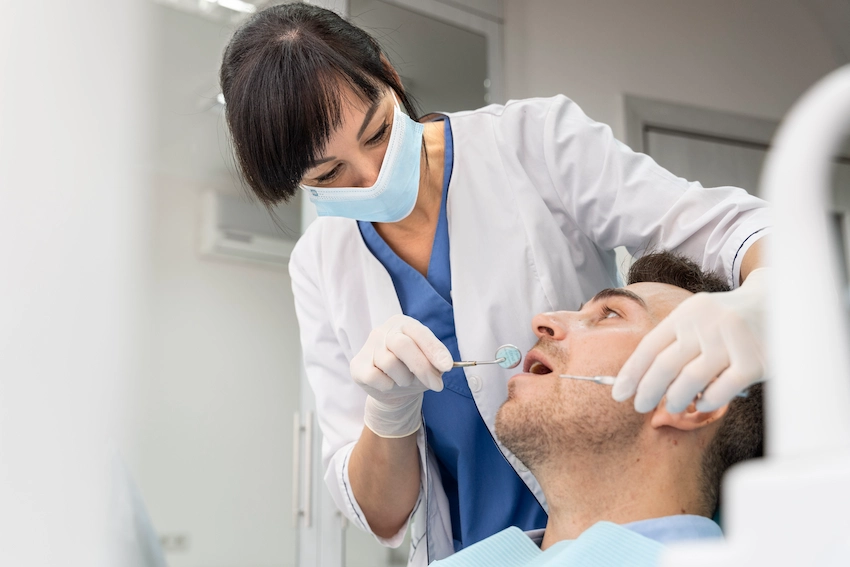
- Procedures which are said to be detrimental to the patients such as drilling or cutting away the larger portions of the enamel layer are not done to the patients when they undergo the procedure.
- Duration of the treatment procedure is short, lasting not more than 30-60 minutes for one tooth therefore causing less fatigue and frustration.
- In some cases, the locality of the anesthesia does not even have to be in the bonding process, hence, one could not feel any pain in the teeth after the procedure.
- The people in charge of the dental clinic are well trained on the treatment of patients such as the dentists at Lema Dental Clinic who care about each of their patients and ensure that patients are comfortable when they are undergoing the procedure.
Tips to Minimize Discomfort
- In case of experiencing sensitivity issues, the patient should always communicate the issues to the dentist well in advance before the treatment begins.
- After the process of bonding, you should not take extremely hot or cold drinks so that the teeth are not subjected to temperature fluctuations.
- One should utilize soft-bristled toothbrush and be gentle in the process of brushing teeth so as to avoid any injuries to the teeth and the cement that is used.
- For the first 24 hours, if resin is newly cured, it is advisable to refrain from biting hard foods so that the bond should be allowed to set further without any disturbance.
- In case after the treatments there could be any discomfort being experienced, most probably the dentist could have missed on some areas or rough parts that need to
- Long-lasting: with good oral hygiene like brushing and flossing, teeth bonding can last 5’10 years or even longer that makes them an ideal service for you.
Potential Causes of Discomfort
While these are uncommon, the following situations can lead to mild discomfort:
- Severe tooth decay or loss of enamel would necessitate the use of either local or general anesthesia before undergoing the procedure.
- If the bonding takes place in the gum area, it may cause temporary tooth sensitivity that comes and goes hence should not be a cause for alarm.
- Continuous grinding or clenching of teeth adds pressure on the new composite resin leading to mild pain but this is rare.
Luckily, your dentist has been trained to detect these potential issues and help you find solutions using modern techniques and protective measures so that everything remains smooth sailing for both parties involved in this process from start to finish.
Why Patients at Lema Dental Clinic Feel Comfortable

Composite bonding is carried out at Lema Dental Clinic in Istanbul using:
- High quality, advanced materials that resemble the natural color of teeth thus giving a smooth, natural-looking finish ensuring the comfort of the patient.
- Pain-free techniques with a gentle approach to care based upon patient’s needs so that no one feels anxious about their next dental treatment.
- Selection of shades for bonded teeth being carried out very meticulously so as not to have any noticeable
Most of the time, no anesthesia is needed since the procedure is minimally invasive. If your dentist anticipates sensitivity, local anesthesia can be applied comfortably.
Minor sensitivity may occur for 1–2 days, especially to hot or cold foods. This is temporary and resolves naturally.
If decay is present, your dentist may use local anesthesia to ensure comfort during treatment. After proper preparation, the bonding itself is painless.
Typically, 30–60 minutes per tooth, making it a quick and comfortable procedure.
Yes, composite bonding is adjustable and removable, allowing your dentist to replace or reshape it if needed.
References
Pain and Sensitivity During Composite Bonding
Clark, D., & Smith, R. (2018). Clinical evaluation of patient-reported discomfort during composite resin bonding procedures. Journal of Esthetic and Restorative Dentistry, 30(4), 345–352. https://doi.org/10.1111/jerd.12425
Durability of Composite Bonding
Peumans, M., De Munck, J., & Van Meerbeek, B. (2005). A review of the longevity and performance of direct composite restorations. Dental Materials, 21(6), 542–559. https://doi.org/10.1016/j.dental.2004.11.003
Patient Comfort in Minimally Invasive Dentistry
Perdigão, J. (2017). Patient-centered approaches in adhesive dentistry: Minimizing discomfort during procedures. Operative Dentistry, 42(3), 234–245. https://doi.org/10.2341/16-083-L
Safety and Aftercare of Composite Bonding
Summitt, J. B., Robbins, J. W., & Hilton, T. J. (2013). Fundamentals of Operative Dentistry: A Contemporary Approach (4th ed.). Quintessence Publishing.

