It is essential to keep your mouth healthy by doing more than just brushing your teeth. Most people brush their teeth twice a day without fail, but a fewer number of consistent cleaners are unaware of the significance of interdental hygiene. Cleaning between the teeth is a necessary step and the most ignored one in oral care– and it’s not just for maintaining a pleasant breath but also for preventing cavities, periodontal disease, and even for minimizing the symptoms of molar teeth eruption.
Be it you are dealing with your children’s molars, caring for wisdom teeth or aiming to have a beautiful clean smile every day, knowing how to clean between the teeth in the right way can really make a difference.
Why is Cleaning Between The Teeth so Important?
If you brush your teeth, you are the person who only cleans the surfaces of the teeth 60%. Unluckily, 40% of them, especially the gaps between your teeth remain uncleaned until they are brushed with dental floss or another kind of interdental cleaner. These are the areas where plaque and bacteria can be easily formed.
And if this happens on a regular scale, it will cause cavities, bleeding gums, and a bad breath problem which even does not disappear with a brush of one’s teeth.For those who have the symptoms of molar teeth eruption, the area between the teeth is where the signs become more critical.
When the molars are erupting, they have the propensity to become food and bacteria traps because of the inflammation or swelling of gum tissue. If left unclean, also the root of the issue may be as severe as infection or discomfort which becomes persistent over time.
How Are the Symptoms of Molar Teeth Eruption Prevented by Cleaning Between the Teeth?
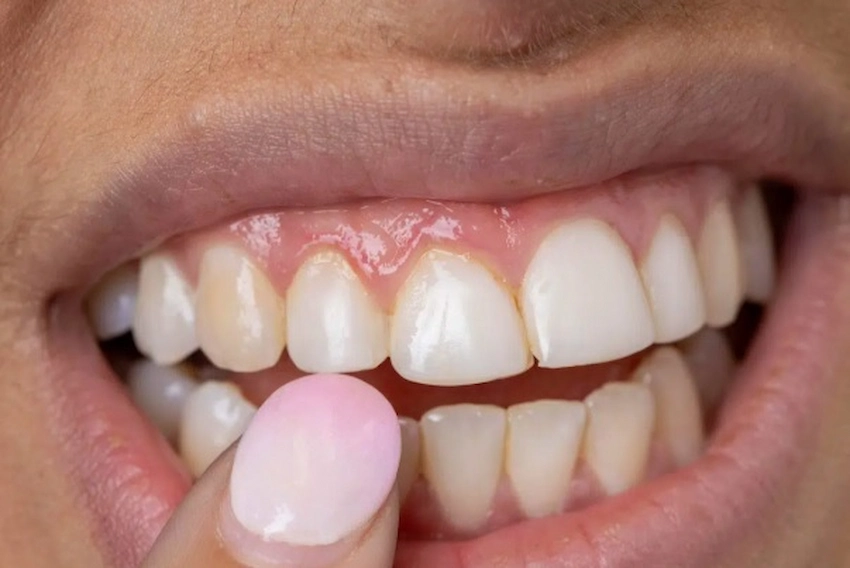
Molars, particularly the first and third molars, which are also called wisdom teeth are quite difficult to get at. When the process of their eruption begins, the surrounding gum tissue becomes rather sore and swollen. Food debris frequently gets stuck in the crevices, causing even more pain, swelling, or, in some severe cases, infection.
- Through a routine of frequent cleaning between the teeth, you can:
- Prevent the inflammation of the tissues around the new teeth.
- Stop the formation of the plaque that bacteria like, and hence prevent caries and gum infections.
- Be less prone to sore gums and potentially bloody ones.
- Take good care of your smile, keeping it cleaner and healthier.
If your child’s permanent molars are coming out or if they are you and you are experiencing adult molar eruption, make sure that adequate cleaning is significantly less painful and faster recovery time.
The Tools for Cleaning Between the Teeth
You can use not only classical dental floss but also a few other instruments to reach the narrow spaces between the teeth. It’s up to your doctor to decide on a particular tool considering the conditions of your teeth.
- Dental Floss is the most conservative method that effectively cleans small gaps in the teeth and is especially recommended for people with healthy gums and a good grip.
- Interdental Brushes are available in more than one size. They are recommended for patients who have wider gaps and are good for those people with orthodontic appliances or oral implants. They clean the part of the tooth and the gum margin very gently.
- Water Flossers (Oral Irrigators), a water beam instrument, can wash the food particles off the sides of the teeth and spaces between teeth. They are suitable for people with hypersensitive gums, braces, or limited hand flexibility.
- Soft Picks and Rubber Tips are throwaway and can be used to make the gums feel better and cleaner by massaging them and taking away food particles from them. This method is really good for erupting molars and when you are feeling pain in the gum.
The best selection will be always according to the number of your years, the condition of your gum, and meanwhile if you are already having teeth symptoms. In all cases, consistency in maintaining a proper dental hygiene routine and so taking care of your teeth is more significant than the actual tool you use. Cleaning between the teeth is necessary.
Guidelines for Individuals with Erupting Molars
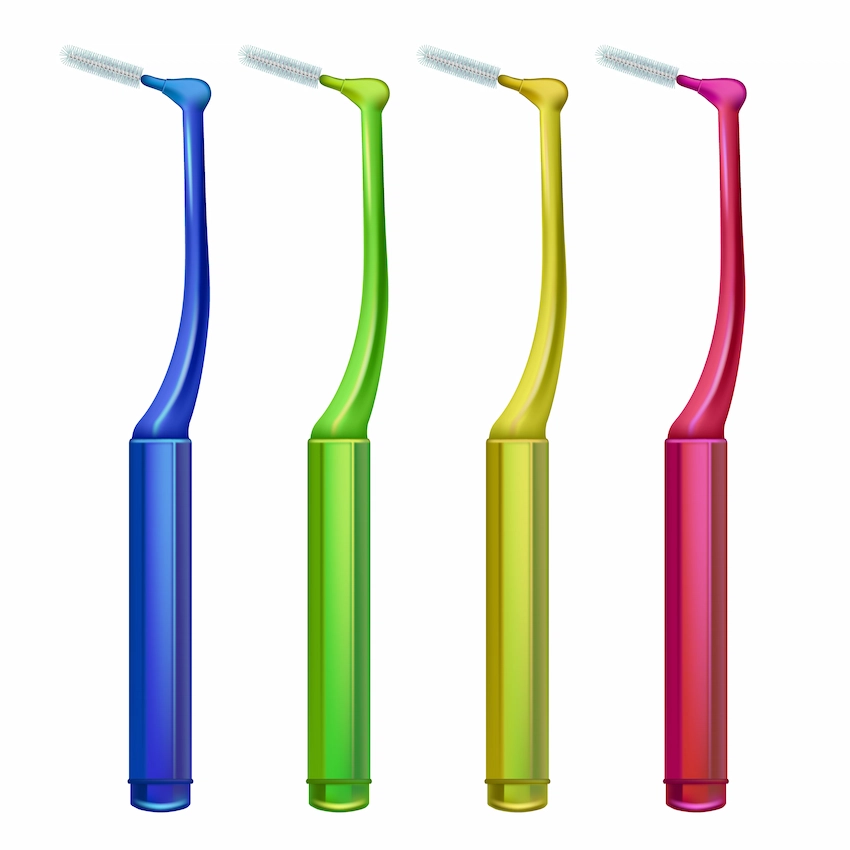
When molars are coming in, especially in teenagers and young people who have so-called wisdom teeth, just brushing and regular flossing may not be sufficient. An extra amount of cleaning is required using interdental brushes to reach out to the very back areas at the mouth where the teeth are making their way out. So you can clean between the teeth.
Use a small mirror which can assist your vision to reach the area well and then clearly rinse your mouth with salt water or antibacterial mouthwash to fight the swelling and to decrease inflammation. Be careful when using floss. Inflamed gums are extremely sensitive and harsh flossing can aggravate the situation.
One way to clean the teeth without squeezing the gums is to use a child-safe floss pick or to show the child how to use interdental brushes. The tools are fewer in number and they are also less scary hence they can be operated by smaller hands much more easily.
When You Should Visit The Dental Professional
Cleaning between the teeth is enough, but no matter how far you can reach there, dental services are still important especially at the time of a tooth erupting process. Swelling is a serious symptom of dental pathosis, so a dentist visit is no longer avoidable when the condition persists.
Note that constant pain, gum bleeding, or a bad taste and pus in your mouth are alarming symptoms of tooth infection and they require an immediate consultation with a dentist.
On one side, the dentist can determine whether the molar is growing out of the bed of the jaw normally, or whether he needs to take the impacted molar out, and on the other side, he can specify the particular behavior of the removal if this is the way to go.
FAQs: Cleaning Between the Teeth & Molar Eruption
Cleaning between the teeth removes plaque and food debris that a toothbrush can’t reach, helping prevent gum disease and cavities.
Ideally, you should clean between your teeth once a day using floss, an interdental brush, or a water flosser.
Yes, keeping the area clean can help reduce gum inflammation and discomfort during molar eruption by removing trapped food and bacteria.
It depends on your needs. Dental floss is great for tight spaces, while interdental brushes or water flossers are better for people with braces or sensitive gums.
Use a water flosser or gently floss around the area daily. Rinsing with salt water can also help reduce swelling and kill bacteria.