


What is Children’s Dental Hygiene?
Children’s dental hygiene usually means children’s daily activities that aim to take good care of the children’s dental health, which include brushing, flossing, and visits to the dentist.
Children are no less than adults in need of keeping a healthy oral environment in order to avoid dental caries, gingivitis, and so on. Proper flossing and brushing daily not only keep the teeth but also the gums healthy. The teaching of children’s oral hygiene skills at a young age is the basis for the formation of skills that will support them the whole of their lives.
The process of dental care for kids ought to begin at the time of the appearance of the first tooth. It will be easier for children to accept the health programs that were presented to them at the very beginning and have been followed regularly. It makes them learn how to protect themselves against cavities and gingivitis through brushing and flossing, besides having good oral health all their lives.
The Importance of Children’s Dental Hygiene
One of the main causes of the introduction of dental care for children was the fact that tooth decay is the most frequent chronic disease among children. Tooth decay in children is a completely avoidable problem; thus, a preventative early intervention is the only way to stop the occurrence of dental caries, periodontal disease, and dental malocclusion. Inadequate oral hygiene can also lead to the appearance of speech, chewing, and self-esteem disorders.
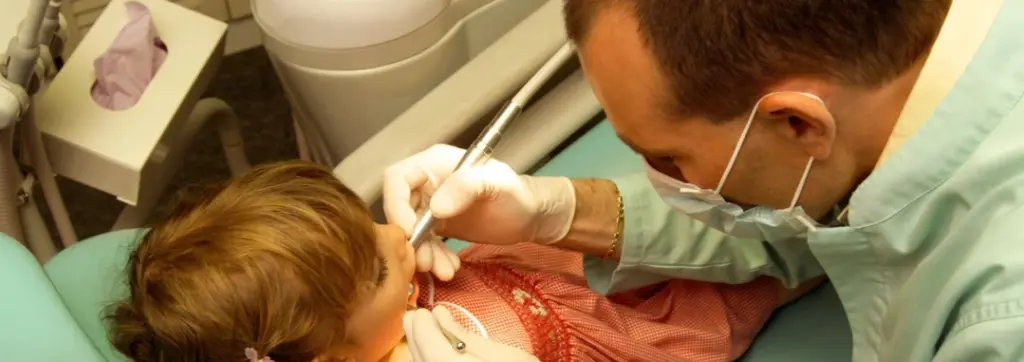
Such good dental health is a major factor that is closely linked to the overall health of the body. Mouth diseases can potentially affect other parts of the body, like the heart and the immune system, for example. Oral health plays a crucial role in the body’s fitness as it lowers the risk of certain diseases, among which is the case of heart disease, which is one of the conditions most associated with poor oral hygiene. Early prevention of dental problems can result in children who grow up healthy and happy, and who will have fewer dental emergencies and visits to the dentist for the same children less frequently.
Children’s Dental Hygiene Month and National Children’s Dental Health Month
Children’s Dental Hygiene Month is a yearly event that focuses on the promotion of oral health in children. In the United States, National Children’s Dental Health Month (NCDHM), which is held in February, is an excellent time for schools, health professionals, and the community to come together not only to discuss and promote good oral hygiene and preventive care but also to become aware of it. Also, it is a reminder to parents and babysitters that good dental care should start early, with the establishment of good dental/hygiene habits in the early years. Usually, at this time, schools, kindergartens, and doctors’ offices organize educational activities, distribute information, and perform dental check-ups for free to children at the same time.
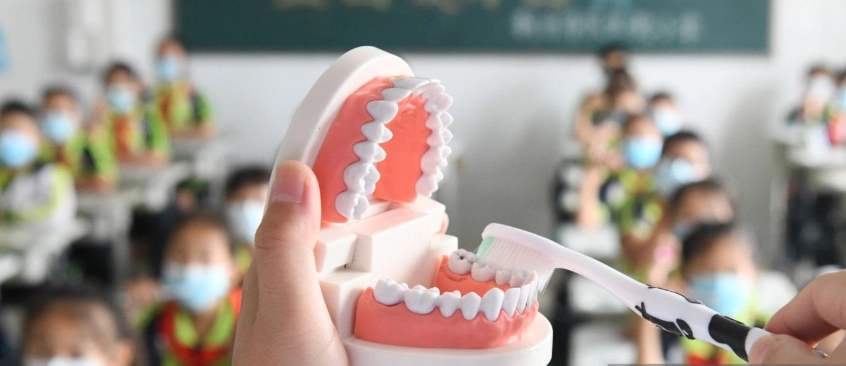
Both these events point out the significance of the earliest dental visits and the thorough cleaning by a dental professional. Awareness-raising campaigns are one way for parents to schedule the correct date of their child’s first dental visit by taking part in such programs. The preventive care aspect is also highlighted through being part of the child’s daily routine. Children who, from the very beginning of dental encounters, develop a positive attitude towards them will most likely carry their oral health through to adulthood.
What Is the 2-2-2 Rule for Teeth?
The 2-2-2 rule refers to a basic but efficient procedure that the parents follow to keep the dental health of their children in check. In accordance with this principle, the youngsters are expected to:
Brush their teeth twice daily. If a toothbrush is used, it should be for at least two minutes. A child should be taken to a dentist for a check-up every two years.
Parents who follow this rule will certainly help their children to form strong and effective oral care habits. Early diagnosis of the problems through regular dental visits every two years is complemented by the brushing done twice a day with fluoride toothpaste, which plays a very important role in lowering the risk of caries. Having 2-2-2 as a habit of everyday life not only reminds one that oral health is important but also makes one establish a strong base for dental health in the long run.
What is the 3-3-3 Rule for Teeth?
The 3-3-3 rule is typically viewed as a basic brushing guideline, yet, in this document, the 3-3-3 rule is portrayed as a more comprehensive dental consultation reference and an oral care routine by children’s dentists. It denotes that kids: Brush their teeth three times a day, ideally, after every meal. Brush teeth for at least three minutes each time. Receive a dentist’s visit for a checkup and professional cleaning three times a year.
The frequent brushing schedule allows teeth to be cleaned after every meal, thus there is less plaque and food particles on the teeth, which are the primary sources of decay. Apart from this, regular visits to the dentist not only ensure that the examinations are more thorough and that professional cleanings are sustained but also contribute to keeping good oral health and, at the same time, the prevention of the disease.
How to Teach Kids About Dental Hygiene
One effective method is to involve children in the process of teaching dental care through fun, engaging, and educational activities. Such activities are some of the ways for them to learn.
Start with early care: Cleaning the gums with a soft cloth is possible even when a baby does not have teeth yet. It means that the child will have been used to the sensation of the mouth being cleaned.
Ensure that it is fun: Teaching the brushing and flossing skills to a child can be made simple if songs, videos, and games are employed. Besides, interactive resources like brushing charts or kids apps can also make more children attracted to brushing.
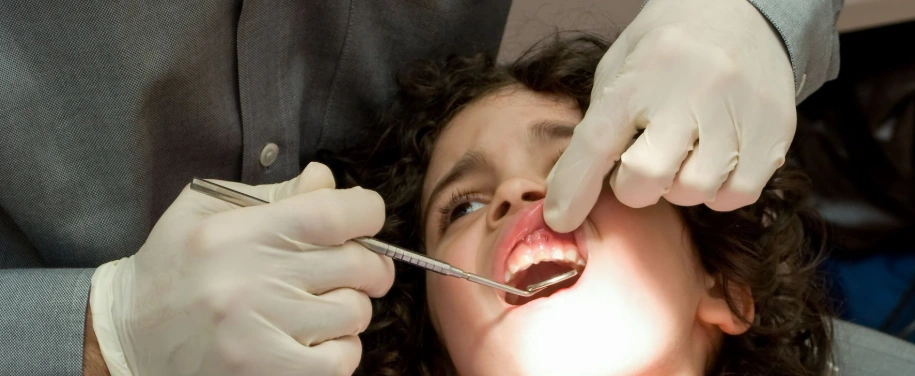
Use tools that fit kids’ needs: Not only can a children’s toothbrush make the process simpler but also safe for the children. Apart from being more effective, a soft-bristle, small-headed toothbrush will also be more comfortable for the younger children.
Set the example: Children learn through imitation; therefore, parents must take the lead in their dental care routine as an example. Brushing together can be a fun family event, thus kids will be encouraged to do their own dental hygiene practice.
Once children get these habits from an early age, the importance of oral hygiene is obvious to them, and they will probably keep the habits for their whole life. Additionally, it really forms a ritual that can be helpful later on in a case of dental anxiety.
How to Clean Children’s Teeth
These are the main steps for cleaning a child’s teeth:
The gums of infants have to be cleaned by a soft, moist washcloth after each feeding, and the cleaning routine has to be done until the eruption of the first tooth.
The cleaning process should be done with a child-sized toothbrush and fluoride toothpaste twice a day, after the eruption of teeth. The toothpaste usage for the infants and toddlers is limited to a quantity equivalent to the size of a rice grain, whereas the kids over three years of age are allowed a pea-sized amount. Brushing has to be done properly, cleaning all the surfaces and massaging the gums lightly.
Children should be supervised during brushing to make sure they do not leave some areas unbrushed. After children have reached the right age, they should be encouraged to do the brushing on their own, and the brushing done under your supervision to make sure they have brushed for at least two minutes each time. As a result, they will become self-denial in taking care of their teeth.
When Should You Start Brushing Your Child’s Teeth?

As soon as the first tooth shows up in a baby, which is normally around the sixth month, the AAP advises the use of a toothbrush and a tiny amount of fluoride toothpaste. Until the child is capable of brushing his/her own teeth, parents and carers have to step in and do the work, which is at about two or three years old. It is of great benefit if toothbrushes are brought in at an initial stage of children, and a lifetime habit will be formed that the children will perceive the toothbrush as a good thing.
Should Interdental Spaces Be Cleaned?
Interdental brushes or flossing should be initiated once two teeth are in contact to ensure that interdental spaces (the areas between teeth) are cleaned. Parents of younger children can make use of floss picks or special devices that can clean the small spaces in children ‘s teeth so that children can floss them. Children should be told the correct way of dental floss usage as they become older and they are already flossing. Flossing takes out food particles lodged between teeth and plaque that the toothbrush cannot reach and thus the person is prevented from having cavities and gum diseases.
When is My Child’s First Dental Appointment?
The first dental visit should be no later than the child’s first birthday or within six months after the eruption of the first tooth, whichever comes first. During the early visits, the dentist’s function is to evaluate the child’s oral health, reassure the child, and give advice on the correct way to care. The dental-anxiety problem for the next visits will be minimal, as the first meeting is an important moment for the dentist-patient relationship.
Good Oral Habits for Kids
Practicing good oral hygiene and teeth cleaning won’t suffice for kids. They also need to incorporate the following habits;
The destruction of teeth is one of the major reasons for which sugary food and drinks are to blame. It makes perfect sense, therefore, that the consumption of sweets, fruit juices, and sodas be limited to a very small amount. Besides being healthier, these products will also help your child develop a habit of eating fruits, vegetables, and cheese as snacks instead of candies.
Take a lot of water: Water removes food particles from the mouth and also keeps the mouth hydrated, which prevents the formation of cavities.
Chew sugar-free gum: One can produce more saliva, which means less acid in the mouth as a result fewer caries will form. Avoid thumb-sucking: Thumb-sucking might have also been the cause of teeth misalignment and other dental problems. So, the sooner your child stops this habit, the better it will be for his/her oral health. Ultimately, these habits will empower your child to have good oral health and the occurrences of dental problems will significantly lessen in the future.
Preventing Cavities in Toddlers
One of the most typical dental problems in young children is the occurrence of cavities. The correct mode of action to prevent cavities in toddlers is to get them involved in regular brushing, allow them to engage in a proper diet, and limit their consumption of sugary foods. Never exercise the practice of putting your child to bed with a bottle of milk or juice as this will most likely result in tooth decay. Dental visits should be scheduled very early so that dentists can oversee and carry out interventions on your child’s teeth thus keeping the visits regular. The prevention of cavities in the early stages is a major factor in diminishing the necessity for severe and costly treatments later on.
Fluoride Use in Children’s Dental Care
Kids can gain a lot from the use of fluoride, provided the amounts are kept within the set limits. In fact, it is a protective measure, as the dental enamel gets reinforced and cavities are less likely to develop. The American Dental Association, in this context, endorses the use of fluoride toothpaste for children 2 years and older. However, the quantity of toothpaste must be so minimal that a child cannot eat it by accident without your notice. Fluoride from the dentist is the most important aid in the caries prevention team during the regular check.
References
- American Academy of Pediatrics (AAP)
The American Academy of Pediatrics provides valuable information on oral health for children, emphasizing early care and regular checkups. For more details, visit:
https://pediatrics.aappublications.org/content/early/2020/07/02/peds.2020-0157 - American Dental Association (ADA)
The ADA offers extensive resources on dental care, including guidelines for fluoride use, the importance of regular brushing, and tips for preventing cavities in children. Learn more at:
https://www.ada.org/en/member-center/oral-health-topics/children-and-teens - Centers for Disease Control and Prevention (CDC)
The CDC provides comprehensive advice on the prevention of dental decay in children and the importance of good oral hygiene habits. - National Institute of Dental and Craniofacial Research (NIDCR)
NIDCR provides scientific information on various oral health topics, including children’s dental care and the impact of early dental visits. Read more at:
https://www.nidcr.nih.gov/health-info/childrens-oral-health - HealthyChildren.org (by AAP)
HealthyChildren.org, a site supported by the American Academy of Pediatrics, provides helpful tips and guidelines for parents to ensure their child’s oral health. Visit their page:
https://www.healthychildren.org/English/healthy-living/oral-health/Pages/default.aspx
Frequently Asked Questions About Children’s Dental Hygiene
Brushing a child’s teeth is important as soon as the incisors start to grow, which is usually the time when the baby is about to be six months old. By early brushing kids get accustomed to oral hygiene routines and feel motivated to maintain it all through their childhood.
First of all, for a kid whose age is below three years a very tiny fluoridated toothpaste dose of an amount not larger than a grain of rice should be utilized. The amount written above may be raised till the queasy stage which is when one drops a pea-sized paste for a kid over three years old. The major essence of the above is to limit the amount of fluoride that the child ingests, for which guide care should be taken.
Dental visits once in a six-month period is the best schedule for children’s health and dental checkups. By doing so, already existing but yet hidden oral problems such as cavities or malalignments can be treated in the initial stage or even can be prevented. Regular checkups pave the way for the child to develop positive feelings towards the dentist and therefore experience less dental anxiety.
Absolutely, fluoride toothpaste is safe for kids, only it is crucial to maintain the correct quantity. Fluoride supports the teeth in the stage of decay and also supplies the caries-preventing doctrine. The American Dental Association is of the view that fluoride toothpaste should be used by children of two years old and above only if it is not swallowed. The child’s parent should be watching to make sure the mandatory instruction for children to spit out the toothpaste after finishing the brush is done.
The best way to prevent tooth decay and caries in kids is to reduce sugary foods and beverages, especially sugary drinks for instance sodas or fruit juice. Be certain that the child brushes their teeth at least two times a day using fluoride toothpaste. Dental visits can be arranged on a regular basis enabling the dentist to detect early signs of decay. Kids should be encouraged to drink a lot of water and not have a bottle in bed with them.
A dentist’s immediate help is what your child with a toothache needs. Meanwhile, provide comfort by rinsing the child’s mouth with warm water. Don’t let the child consume any hard or chewy food. Ibuprofen which is an over-the-counter pain-reliever can be given but, always put in practice the dosage instructions for children.
Of course, children normally have spaces between their teeth especially at a young age. These spaces show that the child’s mouth is growing in a healthy way and are the sign of a temporary period in the development of the mouth. Still, if the gaps remain over time or dental development issues are suspected, it is advisable to consult a dentist.
Thumb-sucking has been widely practiced among the little ones and is still a common habit but can cause certain dental problems like teeth getting wrongly aligned especially if the habit has been continuing for a long time period. In case your child is sucking their thumb at the age of four or five, it is better you visit a dentist who then will give you the techniques to help your child quit this habit before it affects the growth of their teeth.

