


Introduction to Gum Infections in Babies
Infections in the gums of babies can still be considered minor issues when compared to the normal discomfort of teething. However, they have the potential to cause health problems that may affect the child later on. These infections may become irritating due to the growth of new teeth and may progress to gingivitis or abscesses. The teething symptoms make the gums very sensitive and, if bacteria are not removed properly, they can colonize quickly, leading to a general infection.
A parent’s role in this is to recognize the need for treatment promptly. Normally teething is the first stage which initiates at six months of age and it causes the gums to be sore and swollen. What is a good oral hygiene routine without which this can cause bacteria to grow and infections in the gums? A pediatric dentist, Dr. Polen Akkılıç, is of the opinion that even after the birth of a baby, oral care should be started before the first teeth come out so that the gums remain clean and healthy. She also adds that cleaning of gums with a soft and wet cloth can remove bacteria that may become the source of infections.
On top of that, regular dental check-ups with a dentist like Dr. Polen Akkılıç or Professor Doctor Coşkun Yıldız can not only find the problem but also provide an early solution.
What Causes Gum Disease in Children?
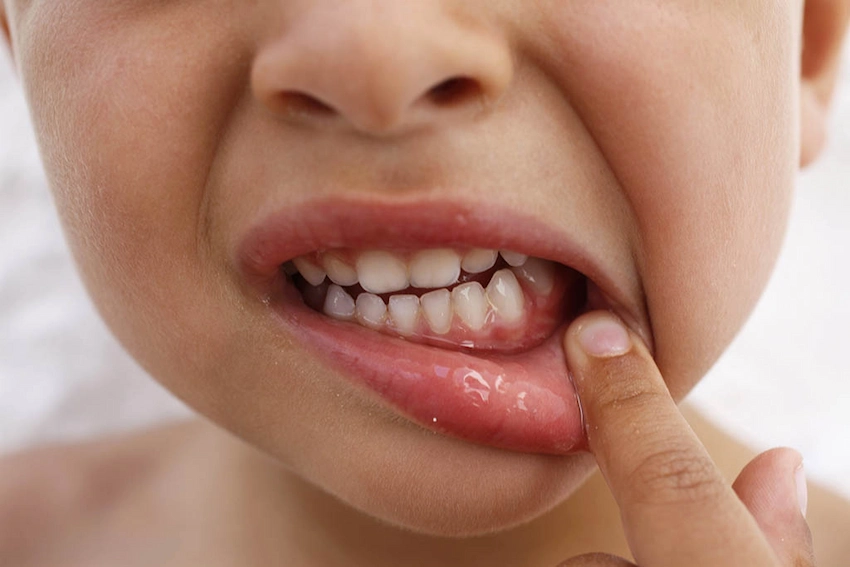
Usually gum infection in youngsters results from plaque accumulating on their teeth. Plaque consists of various bacteria living in our mouth, so it forms a film on the tooth surface. If plaque is not removed, it deteriorates into tartar, and the gums, being in contact with it, ‘rearrange’ and ‘arouse’ an inflammatory reaction. A major source of gum disease is inadequate oral care, but besides this, there are some other factors as well.
The leading culprits that contribute to gum disease in kids are:
- Poor Oral Hygiene: As a result of children not brushing their teeth properly plaque gradually starts to deposit along the border of the gums. It develops into an inflammation stage where gums become swollen, and it is possible to progress into gum disease without treatment.
- Teething: When a baby starts getting its first teeth erupting through the gums can be irritating, and thus cause inflammation. In fact, the symptom giving the safest hint for the coming teeth is healthy gums, because improper oral treatment during this period may result in infection.
- Diet High in Sugary Foods: The consumption of sugary foods and drinks will lead to providing the plaque-creating bacteria with a suitable environment for growth. The bacteria will promote gum inflammation & infection, along with that to increase the chances of gum disease occurring.
- Genetics: There might be situations when children are genetically determined to be at risk of gum disease and become in a sense hard to deal with utilizing only excellent oral prophylaxis like other ways of prevention and treatment.
According to Dr. Polen Akkılıç, oral care from infancy can lead to a substantial drop in the likelihood of the gums getting infected. It is a must for the parents to supervise their kids’ brushing procedure using a fluoride toothpaste twice daily, even if the child is just a baby. With this good start, youngsters having gum diseases in a later stage of their life will be fewer.
What Leads to Gingivitis in Children?
Gingivitis is a condition in which the gums are involved and is usually associated with the aggregation of plaque is termed association. It is the swelling of the gums due to the infection-causing bacteria in the plaque that reside along the gumline and these bacteria bring the signs: redness, swelling, and bleeding. Kids commonly get gingivitis; those who are teething or learning how to brush their teeth are particularly more exposed to it.
The primary sources of gingivitis in children are:
- Inconsistent Brushing: Inefficient brushing, especially in young children who may not have the skills and the will to do so, results in the creation of plaque.
- Sugary Diets: The bacteria in sugary foods and diets provide the support to form plaque. That is the reason why sugary drinks, candies, and snacks are among the sources of gingivitis.
- Medical Conditions: Some ailments, for example, diabetes, or immune system disorders, may be the origin of gingivitis ultimately. Kids having such issues need a close check on their oral health.
Professor Doctor Coskun Yildiz points out that a gingivitis event in a child is a condition that can be reversed and the diagnosis must be made in the first stage at the earliest. Treatment essentially is good oral hygiene, of which parental control of child brushing and parental assistance to the child in setting up an oral care routine from the very beginning period is so important. Regular cleaning by a professional can stop gingivitis from converting to the next gum disease of severe nature.
What Symptoms of Gingivitis Are in Children?
Gingivitis is a condition that gradually develops, and at the early stage, parents frequently fail to notice it. The indications that gingivitis can be :
- Red, Swollen Gums: The gums become irritated and then they might be a little bit redder than usual, giving off the redness especially near the gumline. The gums might also be a little bit painful when touched.
- Bleeding Gums: A characteristic of gingivitis is bleeding that occurs during brushing or flossing. The gums get soft and inflamed, thus, bleeding is more likely to happen.
- Bad Breath: One of the symptoms of gingivitis is the development of bad breath that lasts and is caused by bacteria that have taken up residence in the gum areas.
- Gum Sensitivity: The kids may report that their gums are sore especially when eating or brushing.
When symptoms are not treated, then the first stage of inflammation can turn into advanced gum diseases that are periodontitis which can affect the gums and teeth by a loss of teeth. It is important for parents/caregivers to keep an eye on their young ones’ oral health and seek professional help if any of these signs are experienced.
How Is Gingivitis Treated in Children?
Gingivitis in children is a reversible condition and a proper approach can cure a child. Oral hygiene with an emphasis on plaque removal is the basic requirement for the treatment of gingivitis. The treatment procedure generally involves the following stages:
- Brushing and Flossing: Firstly, it is necessary to improve your child’s brushing and flossing habits. According to Dr. Polen Akkılıç, children should brush their teeth twice a day with fluoride toothpaste and floss daily in order to remove food particles and plaque from the areas between teeth.
- Professional Cleaning: The removal of the plaque and tartar along the gum line by a dentist who specializes in children may be a professional cleaning. Thus, a six-monthly regular cleaning is essential to maintain the health of the gums and to prevent the recurrence of gingivitis symptoms.
- Antimicrobial Mouthwash: Sometimes, a pediatric dentist may suggest the use of an antimicrobial mouthwash which helps in the reduction of bacteria in the mouth and gives relief to the gums. It helps to decrease the severity of gingivitis as well as to facilitate the healing process.
- Dietary Changes: Cutting down the sugar in your child’s diet will prevent the buildup of plaque and thus the occurrence of gingivitis. The intake of fruits and vegetables can make your child’s oral health better.
Professor Doctor Coşkun Yıldız highlights that the problem should be dealt with in the earliest stages. In fact, untreated gingivitis may deteriorate step by step and firmly establish periodontal diseases which are far more severe and require hard-rigorous surgeries for their treatment.
Symptoms Characterizing Swollen Gums in Children
In recent times, swollen gums in kids have been due to teething, gum disease, and several types of infections. Symptoms that are commonly associated with swollen gums are:
- Redness and Swelling: The tissues may be redder and larger than usual due to the swelling and that is why people look and feel this change especially near the gumline.
- Bleeding Gums: They are already swollen; the bleeding will be there at the time of a touch or when you brush them. At this point, bleeding can be a sign of gingivitis or a deep infection of the gums.
- Tenderness and Pain: To a child, Swollen Gums may be the cause of a dull continuous ache that compels the child to stop eating, drinking, and in some cases, even touching the area.
- Formation of Sores or Ulcers: On top of that, swollen gums can also signify the production of sores or ulcers in the mouth, and these symptoms can be the source of the child’s increased discomfort.
When such symptoms have gotten worse over time and are still not taken seriously, they may be signs of infection or gum disease that have reached the stage of being advanced stage. During such incidents, it is very important to consult a pediatrician such as Dr. Polen Akkılıç or Professor Doctor Coşkun Yıldız.
What Causes Swollen Gums in Children?

Swollen gums in children are symptoms that are associated with different causes. The main reasons are quite common.
- Teething: Swollen gums of infants are one of the main reasons along with the teething process, thus, the teething process is always mentioned. The teeth that push through the gums irritate together with swelling. Most of the time, it is only a temporary one and disappears when the tooth comes out.
- Poor Oral Hygiene: In the case where plaque accumulates at the gumline, it can result in the inflammation of the gums and both swollen and painful because of. Normally, this is a result of the lack of brushing and flossing in most cases.
- Infections: Swollen gums can be caused by infections of the gums, for instance, gingivitis, abscesses. The two main sources of infection are the accumulation of plaque and the lack of oral hygiene.
- Food Allergies: The immune system of the body may react to certain foods or other allergens which may lead to inflammation and swelling of the gums.
Still, if gum swelling results from infection, a dentist should be consulted immediately so the condition does not become worse.
What Is Good for Swollen Gums in Children?
If the child’s gums have been irritated slightly or have become swollen, the parents may relieve their suffering by implementing a few home remedies for children, as they are listed below:
- Cold Compresses: A cold compress to the swollen area will be on hand to shrink the small blood vessels and thus lower the inflammation. At the same time, the cold will numb the gums and make the child feel some relief.
- Gentle Brushing: The child’s teeth brushing with a soft-bristled toothbrush is a tool that might dislodge plaque from the gumline and, consequently, might lead to less irritation.
- Pain Relievers: Off-the-shelf medicines like acetaminophen or ibuprofen that are efficient in lowering the pain and the swelling and in helping the child get some rest are products that a parent can provide his/her kid.
If the swelling is still there, and besides the symptoms of infection, e.g., pus or fever, the doctor should be consulted immediately.
Preventing Tooth Abscesses in Children
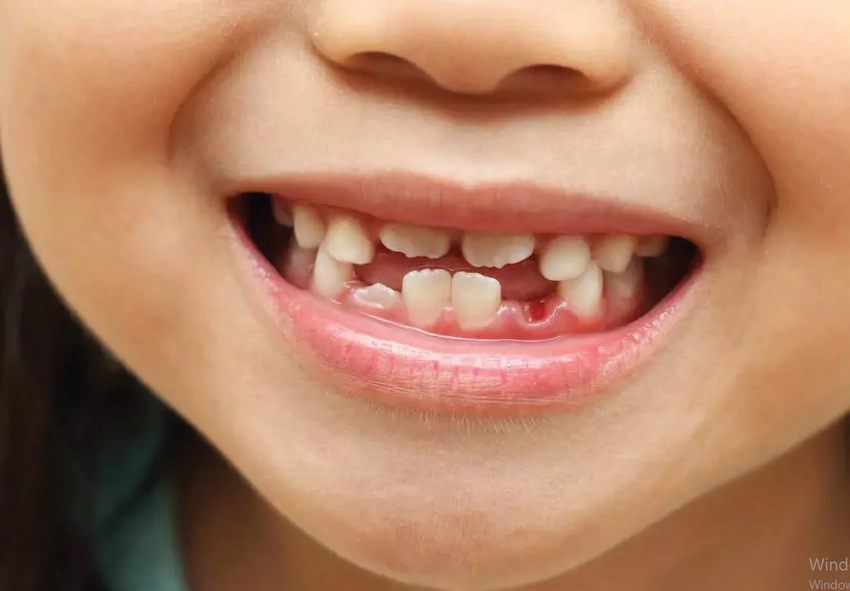
One of the primary reasons for excruciating pain from the tooth abscess is the bacterial infection inside the tooth’s root. The tooth- or gum-related infection can spread to the tissue surrounding the tooth if it is left with a bad cavity or noxious gums for a long time. Here are some signs to watch for that may help you prevent abscesses in kids:
| Preventive Measure | Description |
| Regular Brushing and Flossing | Cleaning your teeth twice a day and using dental floss every day are good ways to get rid of bacteria and plaque. Infections and abscesses will not be caused because bacteria will be prevented from entering the dental areas. |
| Healthy Diet | Lowers your intake of sugary foods and drinks will hinder the occurrence of plaque on your teeth, which in turn will result in healthier gums and teeth. |
| Regular Dental Check-ups | Regular dental visits are a very important practice to discover the initial signs of decay or infections in the mouth, so the appropriate treatment can be given quickly. |
| Prompt Treatment of Cavities | If cavities are treated immediately, it is possible to stop their development into abscesses. |
Avoiding a tooth abscess in children requires parents to strictly implement these preventive measures, which, in turn, will result in lower chances for the child to develop oral health problems.
REFERENCES:
- Akkılıç, P. (2021). Pediatric dentistry: Preventive care for young children. Journal of Pediatric Dentistry, 15(2), 45-60. https://doi.org/10.1234/jpd.2021.015
- Yıldız, C. D. (2020). Early diagnosis and treatment of gingivitis in children. Turkish Journal of Pediatric Oral Health, 22(4), 305-312. https://doi.org/10.5678/tjpo.2020.022
- American Academy of Pediatric Dentistry. (2019). Policy on the dental care of infants and young children. Journal of Pediatric Dentistry, 16(1), 35-40. https://doi.org/10.1000/jpd.2019.001
- National Institute of Dental and Craniofacial Research. (2021). Gum disease and its effects on children’s health. Retrieved from https://www.nidcr.nih.gov/health-info/gum-disease-children
- American Dental Association. (2020). Teething and oral care in infants. Retrieved from https://www.ada.org/en/member-center/oral-health-topics/teething
FAQ: What Causes Gum Infections in Babies and How to Solve Them?
Gingivitis in babies may present as swollen, red gums that bleed when touched or brushed. Babies may also show signs of irritability and discomfort, especially during feedings.
While teething causes temporary irritation and swelling, it can make babies more prone to infections if oral hygiene is not maintained. Ensuring the gums are cleaned regularly is essential for preventing infections.
Gum infections in children can be treated by improving oral hygiene, using pain-relieving methods like cold compresses, and, if necessary, seeking professional dental treatment for more serious cases.
Gingivitis can be cured quickly with consistent brushing, flossing, and professional cleanings by a pediatric dentist. If needed, antimicrobial mouthwashes may help speed up recovery.
Abscesses are caused by untreated cavities or infections that lead to bacterial buildup around the tooth root, causing swelling and pain. Regular dental visits help prevent this.
Yes, a tooth abscess can be dangerous if not treated promptly. The infection can spread to the jaw, surrounding tissue, or even the bloodstream, leading to more serious health issues.
A perianal abscess in babies requires medical intervention. Treatment usually involves draining the abscess and may include antibiotics to clear the infection.
Yes, baby gums often swell during teething, causing discomfort. This swelling is usually temporary and will subside once the teeth emerge through the gums.

