


Teeth Hurt After Cleaning
Professional dental cleanings are an important pillar to be able to have healthy teeth and gums, the right way of taking care of the teeth and overall oral health such as flossing and brushing followed by cleaning is important so that it will be impossible for bacteria two and plaquedartsar from the outanding residents which could eventually lead to decay and gum disease, However, these cleanings could be performed, some patients may complain, down about having discomforts o rsensitivity to the teeth immediately after the process. As a patient, it is essential to have the correct course of action, thus supporting the compliance and effectiveness of the oral care as well as achieving the highest level of comfort possible.
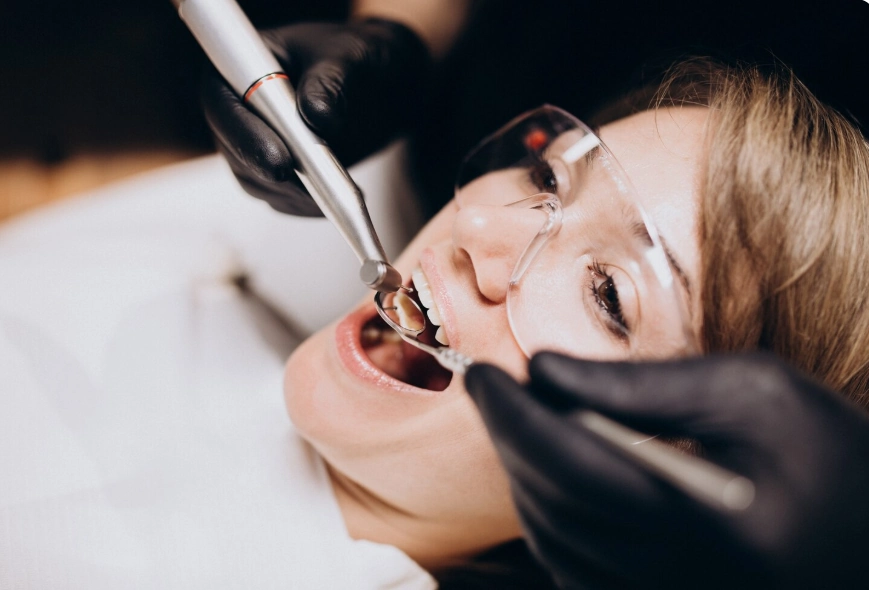
Why Teeth May Hurt After Cleaning
Gum and Enamel Sensitivity: the issue with the teeth involving the gums as well as with the tooth enamel, has to do initially with the cleaning process of having the plaque and the tartar removed as well as other sticky materials like bacteria which reside in our mouths, This process causes a temporary exposure of the dentin and the root surface of the tooth which are sensitive in nature and thus can lead to sharp localized pain or dull discomfort over a time frame of a small time span, especially when consuming hot, cold, sweet food, or even drinks.
Pre-existing Dental Condition: Patients suffering from tooth structure issues like enamel erosion, carious cavities, and gum inflammation may be highly sensitive to even slight periods of time for the deep cleaning after sensitive areas of the teeth have been uncovered. Although a professional cleaning might be non-invasive and gentle, many citizens may face a journey to the nerve of the oiled, where the trajectory of this route has already been damaged.
Scaling and Root Planing Effects: Professional deep teeth cleaning, otherwise known as gingival scaling and root planing, is performed below the gum line to remove contents like hardened deposits or calculus. When the hard places and roots are cleaned, very sensitive tissues can be scratched or shaken, causing tenderness and soreness for a relatively short time.
How to Reduce Discomfort After Cleaning
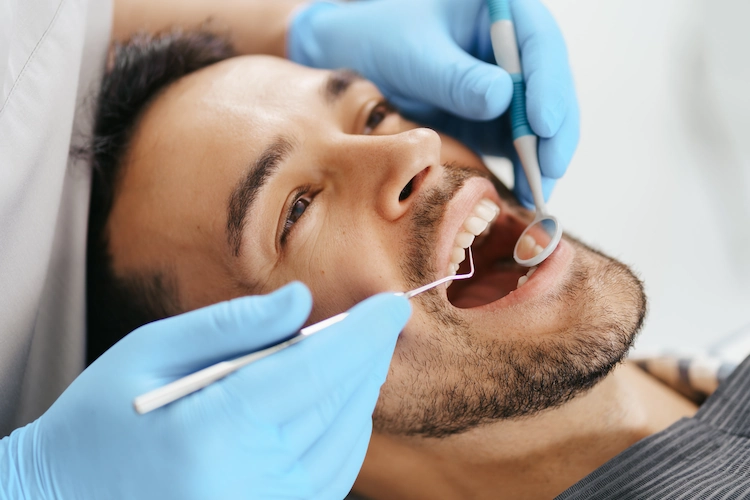
Desensitizing Toothpaste Usage: A toothpaste that is specially made for sensitive teeth should be used so as to avoid pain after the dental cleaning. The ingredients such as potassium nitrate, can make the nerves that are situated in your teeth less sensitive and hence give a kind of shield to the nerves when they come in contact with the irritant after the treatment.
Gentle Oral Hygiene Practices: To avoid aggravating your teeth and gums for the first few days after treatment, use a tactile brush that is not abrasive and a toothpaste that is equally mild. Set realistic expectations and avoid creating additional issues that could have consequences for your continued treatment.
Avoid Extreme Foods and Drinks: After cleaning, serve a soft diet for your teeth. Hot, cold or sugary foods and drinks can trigger temporary sensitivity in your teeth. It will be wise to maintain a moderate diet until the teeth heal.
Rinse with Fluoride Mouthwash: The use of fluoride rinses helps make the enamel of teeth stronger and it reduces sensitivity after cleaning. It effectively strengthens your teeth and can keep them healthy.
When to Contact Your Dentist
It is normal to feel slight discomfort after a cleaning, dentists agree. But when the symptom or lack of it in a certain area becomes intense, consistent, or longer than normal duration, in such cases, it would be best to be wary of possible underlying dental problems. In these cases, be vigilant and reserve an appointment with your dentist:
- Shocking or persistent tooth pain. If any tooth pain lasts for more than a few days, consult your dentist.
- Gum swelling or tenderness that does not subside. If swelling or tenderness of the gums develops as well as the swelling persists and does not lessen.
- Face sensitivity or inflammation. Notify your dentist if you suffer from excessive sensitivity and/or other signs.
Immediate action by a dentist is mandatory to ascertain the given possibilities and to identify possible dental issues such as cavities, gum diseases, and enamel defects before additional complications may arise.
Prevention Tips for a Comfortable Cleaning Experience
- Have dental cleaning on a regular basis, at least every six months, to avoid tartar buildup that can cause you to have a cleaning that will be painful.
- Brush your teeth twice a day with fluoride toothpaste and use dental floss once a day.
- Consume as few acidic and staining foods as possible to keep your enamel safe.
- Give complete information about any dental sensitivity or problems that you have had before the dental cleaning.
Patients can reduce the risk of discomfort to the minimum level and still maintain superb dental hygiene by implementing these measures.
Teeth Cleaning at Lema Dental Clinic
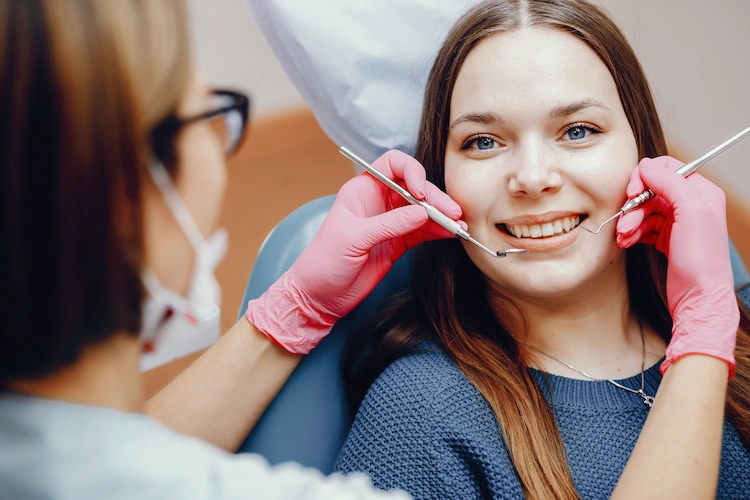
At Lema Dental Clinic, our dental cleaning procedures are careful, precise, and use advanced tools and methods. The combination of a thorough examination, professional scaling, and polishing forms the complete session, where the plaque and tartar are removed in an efficient way. Patient comfort is our team’s priority during the procedure and, therefore, any special requirements related to individuals are handled, such as sensitivity or dental diseases.
Patients are given instructions on the care of their mouth after the cleaning session, which also includes some useful hints for temporary sensitivity management. The clinic’s emphasis on carefulness, use of cutting-edge technology, and presence of qualified dental professionals in the team gives an assurance that each cleaning appointment is a step towards the patient’s oral health, and at the same time, their discomfort is reduced.
Source:
American Dental Association (ADA). “Teeth Cleaning and Oral Health.” ADA.org.
Frequently Asked Questions: Why Do Teeth Hurt After Cleaning?
Yes, mild discomfort or sensitivity is common due to temporary exposure of the enamel and gums after plaque and tartar removal.
One should not consume food that is very hot, cold, or sugary immediately after the cleaning if they want to avoid sensitivity leading to a trigger.
Indeed, fluoride lessens the sensitivity and helps enamel to become stronger after a professional cleaning.
If the discomfort is still here after a few days, or you see swelling, bleeding, or sharp tooth pain, then you should make contact with your dentist.

