


Supernumerary teeth, also referred to as hyperdontia, are any additional teeth that develop in the human jaws or mouth in addition to the regular set of teeth that is 32 in number. It can be altogether difficult to swallow when one has extra teeth that manifest on the gum and that has a possibility of leading to a plethora of oral health complications, though most individuals possess the basic 32 teeth that serve adequately for their chewing needs.
What Are Supernumerary Teeth?
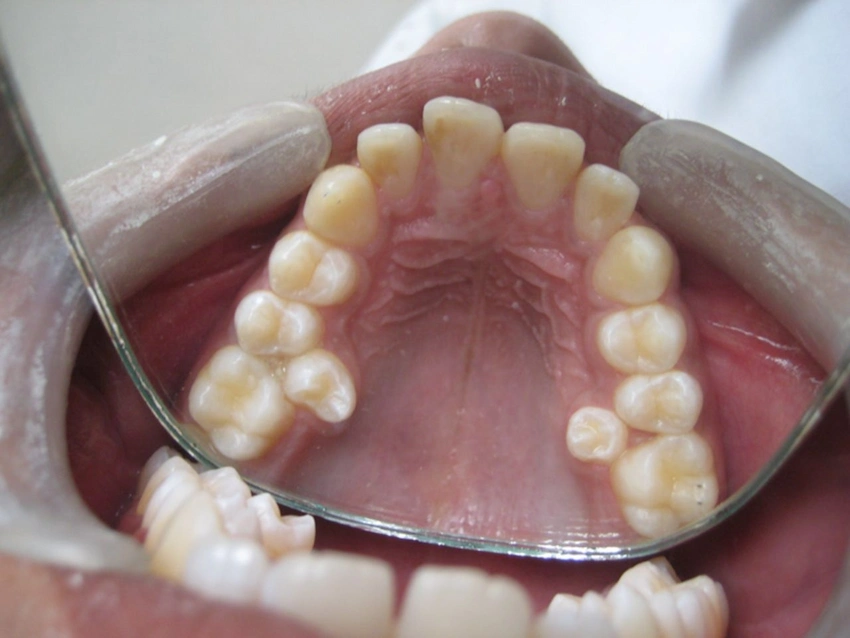
A set of supernumerary teeth refers to those teeth that develop in the mouth of an individual over and above the normal number of teeth usually possessed by an individual consisting of the 20 primary (baby) teeth and the 32 permanent (adult) teeth. The extra teeth formation is more prevalent in certain regions like the upper jaws compared to the lower jaws where its percentage is lower as compared to the upper jaws.
Supernumerary teeth may be classified into the following categories:
- Mesiodens: This refers to the occurrence of the additional teeth at the midline of the upper or lower jaw, between the two front teeth (typically the incisors).
- Paramolars: Extra teeth that develop in those places that are adjacent to the molars.
- Distomolars: Extra teeth that are located posterior to the last molar.
What are supernumerary teeth in terms of appearance? Some of these extra teeth appear like the normal teeth with a solid structure, while in other cases, the extra teeth are seen to be small, peg-shaped or otherwise malformed teeth that require dental assistance. This type of extra growth can greatly hinder one’s ability to live comfortably, and can cause painful and sometimes embarrassing scenarios.
Causes of Supernumerary Teeth
Supernumerary teeth are the teeth that appear extra, aside from normal dental formula and there are about 15 cases reported each year.Though the etiology of extra teeth continues to be ambiguous, the contribution of some factors to their formation cannot be ruled out:
- One of the factors that lead to extra teeth is genetics. The point is that Extra teeth typically tend to be present in families, in other words, teeth are genetically inherited and by the same token; genes play a crucial role in the initiation of their growth. The probability that extra teeth in people with the occurrence of the family of the phenomenon will be developed is higher.
- Disorders of development: Some examples are cleidocranial dysplasia and Gardener’s syndrome, both of which are related to the occurrence of supernumerary teeth. These genetic disorders cause the bone to develop incorrectly and thus bring about the emergence of other teeth in addition to those normal ones.
- Environment is one of the factors contributing to this. For example, one can say an injury is an environmental factor, infection during the growth of teeth process, and as a consequence, extra teeth may form.
It is still not known what causes supernumerary teeth, but it is obvious that these teeth mostly appear during the early stages of tooth morphogenesis, generally between 5 and 7 years of age.
Effects of Supernumerary Teeth
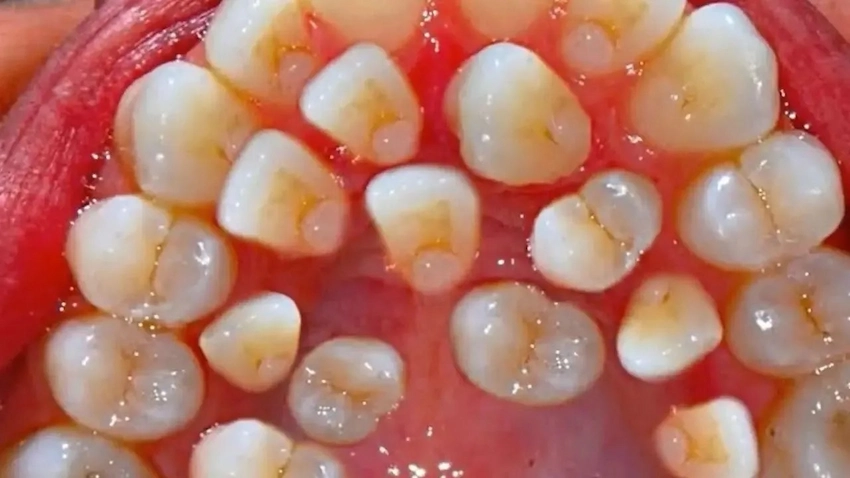
In case that extra teeth are not removed, they may become the leading cause for several stomatologic problems, such as:
- How can we describe this? Simply by saying that extra teeth cause the crowding of regular teeth; what follows is disarrangement and the problems of chewing, speaking, or even cleaning the teeth easily and properly. Besides this, supernumerary teeth can also cause this condition termed as ‘crowding’ in which spaces between teeth become occluded leading to malocclusion and thus mouth diseases.
- Delayed Eruption: Teeth which are supernumerary may hinder the eruption process of permanent teeth resulting in not only delayed tooth development but also impacted ones sometimes.
- Cyst Formation: These extra teeth may lead to the creation of cysts or tumors in the areas surrounding the teeth that will need to be removed by surgery.
- Aesthetic Concerns: Extra teeth, mainly those that lie in the front of the mouth can become visible and, thus, lead to cosmetic concerns.
If supernumerary teeth are left untreated, they might result in several dental complications such as gum disease, cavities, and trouble with oral hygiene over time.
Treatment of Supernumerary Teeth
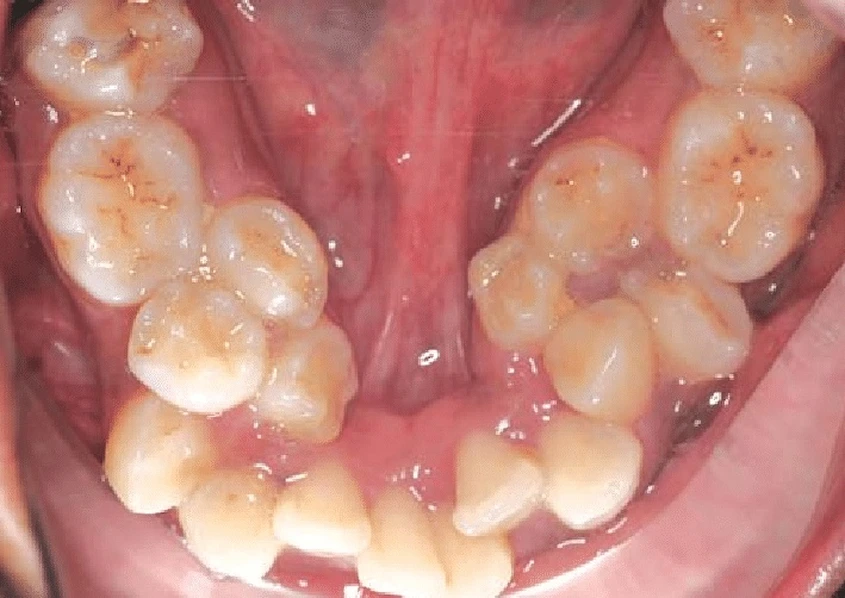
The modalities of treatment for extra teeth are cogitated upon various factors including the location, size, and especially the impact of the extra teeth relative to your oral health. The most commonly utilized treatment modalities are:
- Monitoring: Generally, in the absence of any acute problems caused by the extra teeth, the dentist will decide to follow up on the development and eruption of the teeth gradually, particularly, in young children.
- Extraction: Supernumerary teeth are generally removed in most cases. Especially in situations when they are the main cause of crowding, impaction, or aesthetic concerns. Extraction is commonly performed under local anesthesia in a dental office or surgical setting.
- Orthodontic Treatment: After Removal of extra teeth, the procedure of orthodontic treatment like braces may be needed to move the rest of your teeth, which may be overcrowded or have gotten you bite wrong because of the extra teeth.
The last option is surgery. For example, in the case that supernumerary teeth are deeply impacted or located in the jawbone, a surgery might be the only way to get them out. There can be more sophisticated methods such as X-rays to help a dentist or an oral surgeon with the removal.
When Should You Visit a Dentist About Supernumerary Teeth?
Supernumerary teeth are additional teeth that grow in the mouth besides the normal set of teeth. When these extra teeth are known or suspected, it is very important to see a dentist without delay. Intervention that is done early can still stop the evolution of serious problems such as crowding and the teeth impaction. It is quite easy to discover extra teeth at an early stage through regular dental check-ups and X-ray examinations and provide immediate treatment.
FAQs About Supernumerary Teeth
Supernumerary teeth originate from hereditary factors, developmental abnormalities, or environmental factors affecting the dental development process.
Crowding is one of a variety of problems that can be caused by wisdom teeth.
Supernumerary teeth are caused by genetic factors, developmental disturbances, or excess dental lamina activity during tooth formation. They can occur in both primary and permanent dentitions.
Supernumerary teeth are rare to moderate in relative severity and are known to constitute from 0.1% to 3.8% of the total human population.
The four types are mesiodens (between front teeth), paramolars (next to molars), distomolars (behind molars), and supplemental teeth (extra teeth that look like normal ones).
References:
American Dental Association. (n.d.). Hyperdontia (supernumerary teeth).
Mayo Clinic. (2020). Dental health: Extra teeth (hyperdontia). Retrieved from https://www.mayoclinic.org/diseases-conditions/hyperdontia/symptoms-causes/syc-20350212
WebMD. (2020). Supernumerary teeth and their effects.
Healthline. (2021). What are supernumerary teeth and how are they treated? Retrieved from https://www.healthline.com/health/hyperdontia

