What is Fluoride and What are its Benefits for Teeth?
Fluoride is a natural mineral vital to maintaining healthy teeth and the provision of durability and well-being. Among oral health applications, the most common is undoubtedly the product groups of toothpaste and mouthwash. The mineral can be obtained through water, soil, and even some edibles, yet its dental care phase is the one that makes it very popular.
When a thin coat of fluoride is placed on the teeth, it acts as a preventive barrier on the enamel, the crown of the teeth. This method serves as a productive measure to avert the process of enamel destruction by acidic corrosion developed when the bacteria are in action. Moreover, it sustains the deposition of minerals, renewing the enamel in the lost areas, thus strengthening teeth to have a better resistance to caries.
Fluoride is one of the best and, if not the best, ways to prevent caries and achieve a positive effect on the entire oral cavity. It is commonly found in the drinking water in most areas so as to allow the people the benefits of a protected teeth layer from fluoride, which is inserted in different ways of using the mineral to promote good dental hygiene.
How is Fluoride in Teeth Located?

Fluoride is normally found in a variety of natural sources and some inventions, and therefore, it is not a difficult task for people to find it. Here is the list of the most popular places where fluoride is found:
- Drinking Water: The first source of fluoride in drinking water is the municipal water supply, which we can find in the public domain. Numerous cities and municipalities have been injecting fluoride into their water supplies to fight tooth decay. This widespread prevention of cavities has been estimated to be safe and effective, especially for children without dental access and adults with minimal resources.
- Foods: Certain natural foods contain fluoride. Some fish, especially those that are eaten with bones, such as sardines and salmon, are good sources of fluoride. Tea is the third example of a food that contains small amounts of fluoride, as the plants that are grown in the soil, where the tea grows, absorb this chemical element. While food does have a significant role in the total fluoride intake, one should not ignore the fact that most foods only contribute to minor fluoride levels; statistically, the amount of fluoride in the food is not on a par with the amount of fluoride in toothpaste or professional treatments.
- Dental Products: It is via dental products like toothpaste, mouthwash, and fluoride gels that fluoride is released to the greatest extent and in the fastest way. Toothpaste is an example of such products, and its high concentration of the active ingredient, fluoride, is intended to help in enamel strengthening and cavity prevention.
- Professional Dental Care: Typically, combining home dental care products with professional dental care is the most effective approach. When it comes to professional dental care, fluoride is not only a key ingredient but also recognized as the most effective in cavity prevention. In the Lema Dental Clinic, with Istanbul as its main location, fluoride gel is the go-to for the enamel, a special layer, and the result will be protected from cavities.
What are the Benefits of Fluoride for Teeth?
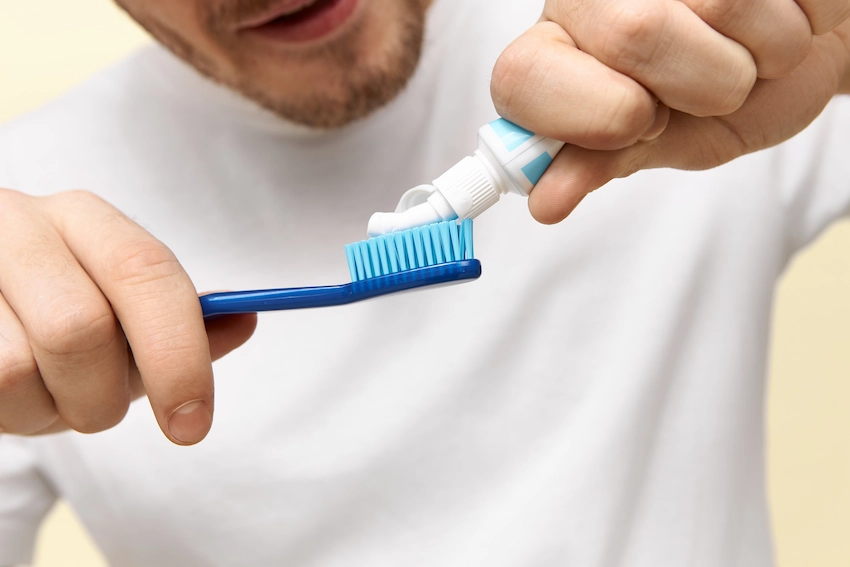
The benefits of fluoride are not limited to just being a cavity preventive measure. There are many key fluoride benefits in the context of your oral care routine:
- Prevents Tooth Decay: The most popular advantage of using fluoride is to prevent tooth decay. Fluoride is responsible for the re-hardening of the enamel, which makes the dentin more resistant to bacterial acid in one’s mouth. It is particularly beneficial for people who are prone to getting tooth decay or have a history of long-standing, severe dental caries.
- Remineralizes Teeth: Fluoride is capable of positively affecting the enamel as it can remineralize the demineralized enamel. When the enamel is weakened and dissolves due to an acidic environment, fluoride will serve as a catalyst to fill the enamel flavorsing waters and thus preventing any further destruction of the enamel. From only the stage of initial decaying to deeper cavities, shrinkage is even possible.
- Reduces Sensitivity: Fluoride can relieve tooth sensitivity in patients by way of the impact of the material implant on the enamel. They prevent the passive discomfort and dependability of being able to eat a variety of food types and drinks. The actions of fluoride not only reduce the discomfort of the patient but also build an overall stronger tooth and aid in simpler maintenance.
- Improves Overall Oral Health: Fluoride does more than stop cavities. It helps the entire tooth structure to be healthier. Such actions include maintaining high oral health by having less frequent enamel destruction, less sensitivity and fewer cavities, and so on, as well as maintaining a reduced amount of other future dental problems.
- Enhances Aesthetic Outcomes: In addition to oral health, fluoride is a key product in the cosmetic dentistry industry. Should one think of imitating a Hollywood Smile, the use of veneers, or implants, then fluoride is the most essential as it stays with the teeth, maintaining not just strength but also durability, thus making these aesthetic treatments last longer. One better way to make sure that the cosmetic treatments do not get frail and stay strong and healthy for the longest possible time is to have Lema Dental Clinic through fluoride treatments to the patient initially, and thus at the end as well.
What are the Disadvantages of Fluoride for Teeth?

Fluoride is one of those substances that brings with it a plethora of benefits, but it can also be the source of severe health issues in human beings when consumed excessively, especially if it is being ingested in large amounts and over a long period. Fluoride has many potential dangers, and the list of such is here:
- Dental Fluorosis: We should be very much concerned about the intake of fluoride, especially in kids whose teeth are not fully grown, as the dental fluorosis effect is predominant. With the latter problem, the teeth get white spots and longer periods that can give off a white color, also streaks. Fluorosis might not pose a threat to the teeth’s function; however, it could bear a negative influence on their appearance. The issue of dental fluorosis is more than likely to crop up if the children fail to spit out toothpaste after brushing or over-ingest fluoride during their formative years.
- Fluoride Intoxication: For instance, drinking a significant quantity of fluoride can result in fluoride poisoning, which is quite a rare but not inexistent phenomenon. The frequency of poisoning from fluoride can be so low that the symptoms could be as meager as nausea, vomiting, and abdominal pain or, on the other extreme, even muscle weakness or spasms. It is a must that fluoride-containing agents like toothpaste and mouthwash should be kept away from children so that no fallout episodes of unintentional ingestion occur.
- Skeletal Fluorosis: Unfortunately, there have been cases where the result of extreme exposure to fluoride ends up in skeletal fluorosis. This condition manifests in the accumulation of fluoride in the bones of a person, leading to inflammation of the bones’ joints and pain. Sometimes, swallowing a lot of products with high doses of fluoride or drinking water with high levels of this element over an extended period could be the cause of skeletal fluorosis.
Nevertheless, such episodes appeared to have a high probability of occurrence only in places with high levels of natural fluoride being present.
FAQ: What is Fluoride and What are its Benefits for Teeth?
The evaluation of the degree of serious illness caused by fluoride in toothpaste is generally careful, but insufficient. Thus, it will be crucial not to swallow a large amount of toothpaste, especially for young children, as excessive fluoride can cause dental fluorosis.
The kidneys are the main organs that are involved in getting rid of fluoride from the body. They have the function of overexcreting the substance of the fluorine that is not needed, which especially influences the need for the metabolism of fluoride.
A person who is excessively exposed to fluoride can experience dental fluorosis, a chronic condition of the teeth, which results in one or several white spots on the enamel, and the most severe instances can cause skeletal fluorosis, a condition that affects bones and joints. These side effects only arise when one consumes fluoride in excessive amounts and for a long duration.
Absolutely! Coffee contains water with fluoride. Coffee production in the natural plant is the source of 90% of the coffee’s fluoride, with the water leached during the water process. The contents of the coffee, which are fluoride compounds at the initial term, are low, although there is still a certain minimal amount of fluoride.
Fluoride is an element that helps in the hardening and repair of the tooth enamel, makes a filled cavity decay less regular and less painful, and also gives a complete healthy result in the oral area. By forming a career calcium fluoride of the tooth, it prevents the patients’ teeth from falling out prematurely.