


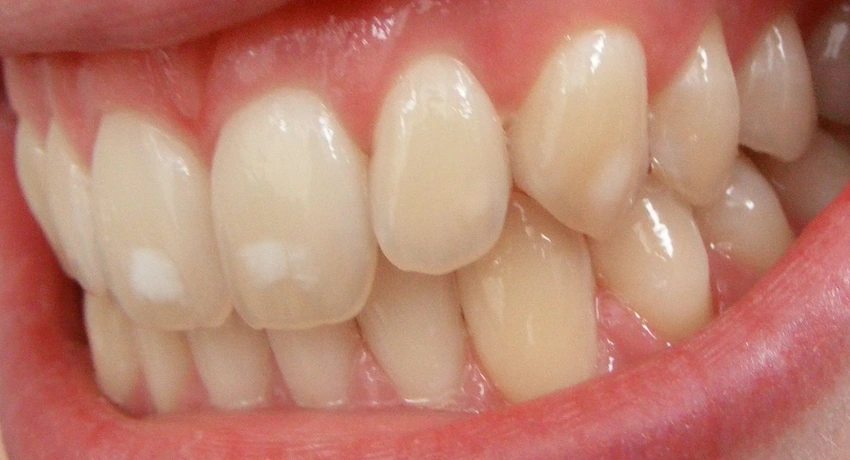
Fluoride stains on teeth are one of the discolorations on teeth, when overexposure to fluoride during a child’s teeth development is the cause. Fluoride, a mineral that is in the water that we drink, toothpaste, and in the professional dental treatments is very good for the strengthening of the teeth and the prevention of cavities. However, if the fluoride is still very abundant during the years of the development of the permanent teeth, dental fluorosis, a condition that causes white, yellow, or brown stains on the teeth may result.
Thus, if you are still trying to figure out what the causes of fluoride stains on teeth are, it should be clear that fluoride stains are primarily a result of the excessive use of fluoride products in children, especially during the time that the teeth are developing under the gums. Fortunately, the bad news can be turned around into good news by saying that with the appropriate precautions fluorite stains can be prevented.
How Do Fluoride Stains on Teeth Develop?
Fluoride stains on teeth happen when children consume too much fluoride during the first 8 years of life, the time when permanent teeth are formed. Even though fluoride is good for oral health, a high dose can interfere with natural enamel of the teeth causing discoloration. The degree of the stains can be from the occasional white spots to the most severe brown stains with the sores on the enamel.
Examples of scenarios that may cause fluoride stains on teeth are:
- Fluoride in water: Over time, fluoride levels in local water supplies that have been excessively high, particularly in the areas where the fluoride content has been naturally high, could cause the stains on the teeth.
- Ingestion of fluoride toothpaste: Kids under the age of 3, who are just learning how to brush, might swallow toothpaste rather than spitting it out, and as a result, they might get an excessive fluoride intake.
- Fluoride treatments: Overdoing of fluoride dental treatments or supplements, especially if not supervised by a dentist, can escalate the risk of fluoride stains on teeth.
When talking about the causes of fluoride stains on teeth, it’s significant to comprehend the different sources of fluoride exposure and take precautions to prevent too much consumption during the development of teeth.
How to Prevent Fluoride Stains on Teeth?
If you have ever been afflicted with the displeasing and unsightly stain that comes from the use of fluoride on teeth, you will note that it is highly imperative to ensure thorough compliance with all prescribed protocols in relation to fluoride application. To prevent such a grievous predicament from befalling your child under your watch, you might find some of the following recommendations to be helpful in helping him or her steer clear of fluoride stains on teeth:
It is very important to keep track of the fluoride that children get from different sources at home as well as following the dentist’s recommendations on the right type and quantity of fluoride:
- Monitor Fluoride Intake: Make sure your child gets the proper amount of fluoride from water and toothpaste. A lot of public water systems fluoridate, but it’s advisable to check if the water in your area is overly fluoridated. A dose of fluoride can be a matter of discussion between the pediatric dentist and you.
- Use a Pea-Sized Amount of Toothpaste: A child of 3 years is supposed to use only a small, pea-sized amount of fluoride toothpaste. When brushing, the child should spit it out and not swallow it.
- Use Age-Appropriate Products: Make sure your child’s toothpaste is the one that matches his/her age group. Fluoride-free toothpaste for younger children might be necessary until they can spit it out on their own.
- Regular Dental Checkups: Frequent dental visits not only enable the dentist to keep an eye on fluoride levels and the growth of teeth but also make it possible for the dentist to propose the most appropriate treatment if the child is at the risk of too much fluoride intake to avoid fluoride stains on teeth.
Treatment Options for Fluoride Stains on Teeth
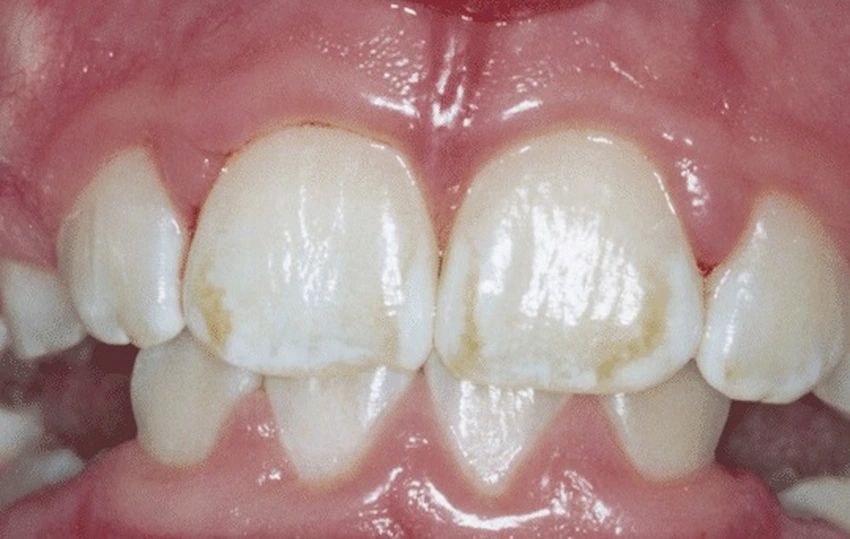
If your child has fluoride stains on teeth, the great news is that there are many treatment options that can make the stains lighter or even remove them entirely. During a certain duration, some moderate stains may go away from the teeth on their own.
However, in most situations, professional interventions are essential for the effective management of fluoride stains on teeth. The following are the commonly used methods in addressing such stains as given below:
- Whitening Treatments: The dentist may suggest that you perform dental bleaching, or the utilization of a special whitening toothpaste to unify the color of the teeth and thus make the stains lighter.
- Veneers or Bonding: In case the stains are so intense that dental veneers or bonding are the only ways to camouflage the discoloration. The treatments mentioned consist of the dentist placing a very thin layer of porcelain or composite resin on the affected teeth.
- Microabrasion: Sometimes, a dentist might resort to the technique of microabrasion, where the stain is removed by the gentle removal of the outer layer of enamel on the tooth.
- Professional Cleaning: The routine visits to a dentist for professional cleaning can aid in the removal of the surface stains and make the teeth look brighter.
So, if you find yourself facing any kinds of questions or doubts concerning those pesky staining problems that are sometimes referred to as toothpaste or fluoride stains on teeth, remember first thing first , go and speak with a dentist because they’re really the right person for this job!
Your dentist is after all an expert in his own field and knows just how these teeth whitening treatments work inside the mouth and out plus he/she will also consider your unique set of circumstances before making any recommendations on what type of intervention would be best for you.
FAQs About Fluoride Stains on Teeth
Generally, even mild stains can go away gradually with meticulous oral care. But, if the discoloration is a bit severe, such as heavy stains, the patient may need to go for professional treatments such as whitening or veneers.
Fluoride stains almost always come about within the first eight years of life when the permanent teeth are still growing. A high amount of fluoride intake in the period can result in the development of stains.
First of all, it is necessary to control the fluoride intake of your child. Maintain checkups at the dentist to supervise the natural fluoride levels of your child.
First of all, it is necessary to control the fluoride intake of your child. Maintain checkups at the dentist to supervise the natural fluoride levels of your child.
Yes, fluoride is one of the factors that positively contribute to the prevention of caries by making enamel stronger.

