


Tooth decay or dental caries is one oral issue that many individuals of all ages experience. Despite the significant advancements in dental practice, lifestyle practices and genetic make-up, among other biological factors increase possibilities of cavity development. At Lema Dental Clinic located in Istanbul, Turkey emphasis is laid on preventing situations that lead to other serious oral health issues by organizing campaigns for monitoring and where necessary treats people suffering from caries to help achieve brighter and more beautiful smiles. In this guide, we will give you everything you should know about tooth decay covering its symptoms, causes, and treatment issues, as well as effective ways through which individual cases can be managed so that one does not lose hope of having a healthy set of teeth even in their old age.
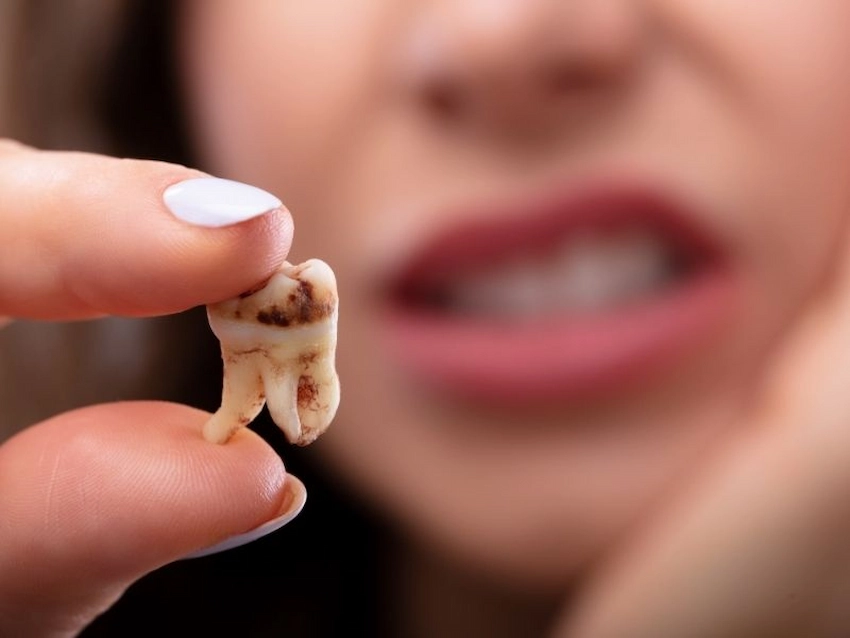
What Causes Tooth Decay?
Tooth decay happens over a long time when acids formed by bacteria in your mouth start corroding the natural protective layer of the teeth called enamel. The main factors that cause tooth decay include the following:
- Poor Oral Hygiene: This involves failure or inadequate brushing and flossing allow plaque-buildup approximately which accommodates the bacteria responsible for producing acids that lead to decay.
- High-Sugar Diets: Some people find it difficult to resist sweet food items sugary drinks being one way we can erode enamel due frequent consumption.
- Dry Mouth: Saliva acts as a natural shield against caries repressions among other things if someone’s salivary flow drops below normal levels due medication conditions or other reasons this increases exposure risks for dental problems to develop.
- Genetic Susceptibility: Individuals have different inbuilt oral care solutions; while others may have extremely strong & durable enamel others will naturally have relatively weaker enamel together with very curved grooves on their teeth. This puts these individuals at a higher risk of cavities’ formation.
- Acidic Foods and Drinks: Some popular foods such as citric fruits and beverages like soda contain acid those acids may damage enamel over time period if consumed excessively at different intervals then.
Early Signs of Tooth Decay
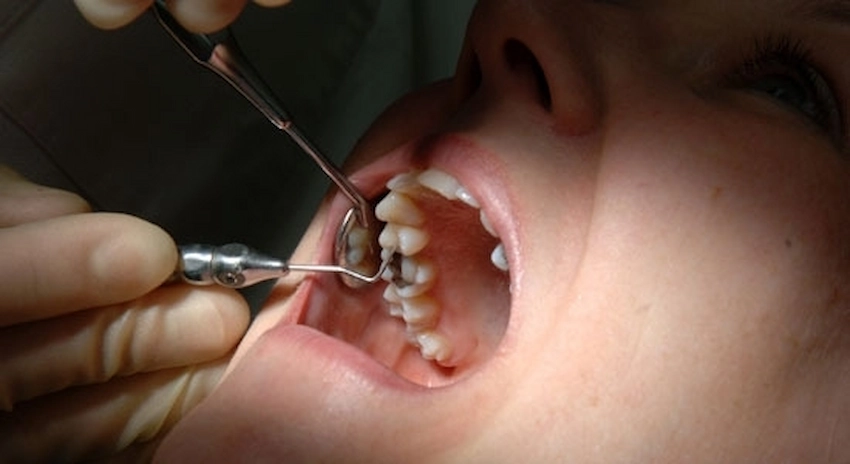
The good thing about tooth decay is that if detected early it can be reversed, and a bright smile regained. Early warning signs and symptoms include:
- White or brown spots on teeth: The first visible sign of amending damage once the dental structure has been demineralized; these spots indicate areas where the’s an approach for ions again thus reversing decay.
- Some people may feel discomfort or painful feelings in the mouth or teeth when consuming certain foods such as those that are hot, cold, or sweet.
- Affected individuals may experience mild to moderate pain or discomfort near the affected tooth that can go away after a while or persist.
- The outer layer of a tooth may show visible signs of decay, including a small dark pit or hole that is obvious in a healthy tooth.
- People suffering from dental cavities may experience persistent bad breath or an unusual metallic flavor in the mouth.
Treatment Options for Tooth Decay
If you are currently undergoing dental investigations in relation to tooth decay visit the Lema Dental Clinic and consult our qualified dentists for possible interventions made specific to your case. Our treatment alternatives are:
- For newer forms of decay, dentists recommend professional fluoride applications to strengthen the enamel since fluoride is a naturally occurring mineral found in water. Since every demographic is likely to consist of different patients, fluoride treatments are beneficial, especially for instances of reduced saliva flow benefiting people in such areas, people in areas where the use of fluoride is restricted on drinking water, and new children.
- Dental fillings are suitable for small-sized cavity fillings or when the dentist removes the decayed tooth portion. Filling materials include composite filling or porcelain filling that are the same color as the tooth thus restoring the tooth to its natural size, shape, and strength.
- Crowns are an alternative treatment for extensively decayed teeth where fillings will be less reliable. A dental crown covers the entire tooth like a cap to provide structural support and keep the tooth out from harmful bacteria. Crowns are also useful for strengthening teeth that have experienced excessive tooth wear.
- In the event where tooth decay has spread to the pulp chamber or nerve of the tooth, root canal therapy is considered the only option to contain the infection. During root canal treatment, the affected tissue is removed, the nerve of the tooth is cleaned up, and then a rubber-like material fills the space left. All this is to prevent the further invasion of bacteria into the tooth and remove any pain associated with infection.
- Tooth decay can also be prevented by the use of preventive sealants, which are thus placed on the chewing surfaces of the back teeth where tooth decay is most likely to develop. Sealants offer a barrier to the bacteria and food particles that may accumulate in the pits and grooves of the teeth and.There is a saying that prevention is better than cure, but more than just that, timely treatment is very important when it comes to dental problems such as cavities. If left untreated, cavities can progress and cause serious harm to the entire mouth.
References
- Featherstone, J. D. B. (2000). The science and practice of caries prevention. Journal of the American Dental Association, 131(7), 887–899. https://doi.org/10.14219/jada.archive.2000.0305
- Selwitz, R. H., Ismail, A. I., & Pitts, N. B. (2007). Dental caries. The Lancet, 369(9555), 51–59. https://doi.org/10.1016/S0140-6736(07)60031-2
- Healthline. (2023). Tooth decay: Causes, symptoms, and treatment. https://www.healthline.com/health/dental-and-oral-health/tooth-decay
Early-stage tooth decay can sometimes be reversed with fluoride treatments and improved oral hygiene before cavities form. Once a cavity develops, restorative treatment like fillings is necessary.
Cavities can develop over months or years depending on oral hygiene, diet, and saliva production. Regular check-ups help catch decay before it worsens.
Yes, children’s teeth are more susceptible to decay due to thinner enamel and high sugar consumption. Proper brushing, fluoride, and dental visits reduce the risk.
Not always; early decay may be asymptomatic. Pain typically occurs when cavities reach the tooth pulp or nerves.
A healthy diet helps, but it must be combined with brushing, flossing, and regular dental visits for optimal cavity prevention.

