


Tooth abscess is a term that describes a situation in which a tooth is infected with bacteria, the group of people who live inside the tooth is the pulp, and the infection forms a pocket full of pus at the root of the tooth or in the gums surrounding the tooth. There are usually several bacteria that cause the pulp of the tooth to be infected. The most common reason is the development of cavities, the gum disease, and the rupture of the tooth are the main causes of tooth abscess. This disease is, by and large, accompanied by severe pain and discomfort, though there are not only means to treat it but also to take care of it.
With the aid of professional treatment, such as dental veneers, implants, or the Hollywood Smile procedure, dental patients in Lema Dental Clinic in Istanbul can solve the problem of infection, as well as improve the quality of their smile. The main principle of this article is the discussion of tooth abscesses with all relevant aspects, such as symptoms, causes, diagnoses, and the treatments available for the condition and oral health improvement.
What is a Tooth Abscess?

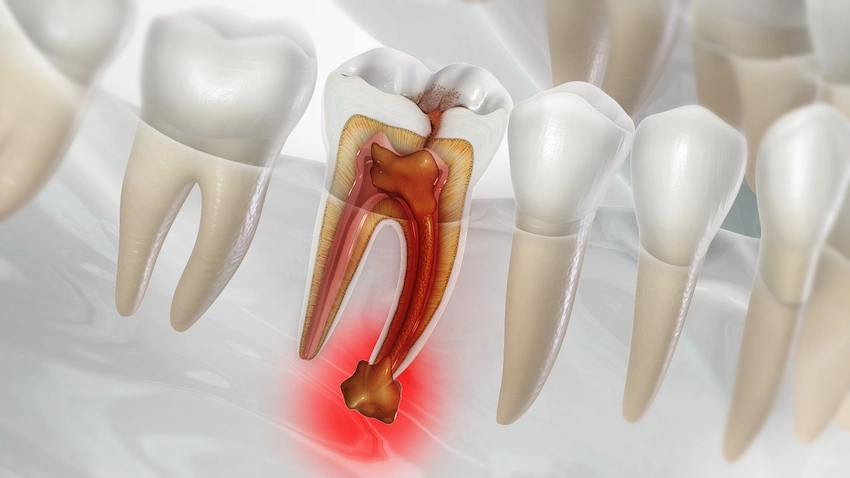
A tooth abscess is the term for a localized infection that occurs either in the tooth or the surrounding gum tissues. The abscess can consist of pus and is capable of producing symptoms like pain, swelling, and in certain cases, a rise in body temperature. The responsible scenario is that the infection should start in the pulp (the innermost part of the tooth containing nerves and blood vessels) if bacteria of the wrong kind happen to get hold of the tissue. If the situation is not treated with the required medications, the spreading of infection might spread beyond the body, hence the importance of treating the infection as soon as possible. The seriousness of the infection can vary from a small nuisance to acute pain or even more, thus depending on the infection’s extent.
One of the most common misunderstandings is that a tooth abscess will gradually get better on its own without causing any trouble. But if the infection is left to go on, it can escalate, resulting in the loss of the tooth or even some severe health issues. With the help of doctor treatments, for example, the ones at Lema Dental Clinic, the tooth can be saved, and its function and beauty can be regained.
What Causes a Tooth Abscess?
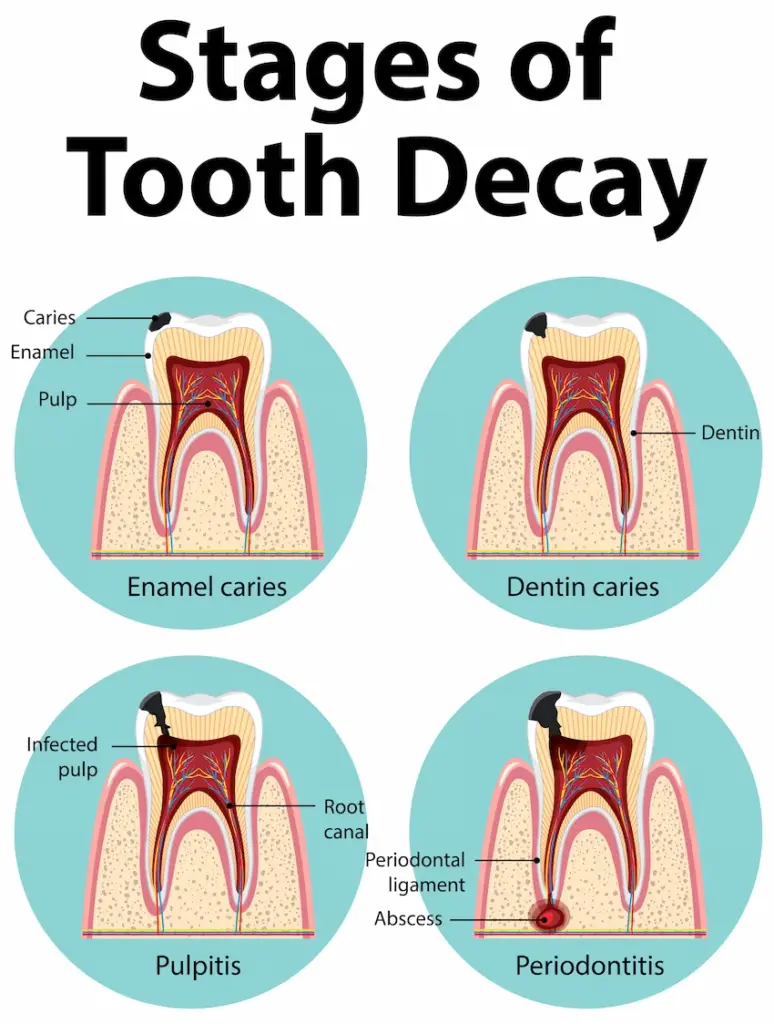
The most common way for bacteria to bring about a tooth abscess is the infection of the pulp in the tooth through bacteria entering the tooth. This may happen in several ways:
- Untreated Tooth Decay: Tooth decay is the primary source of the development of a tooth abscess. A cavity that has not been treated sufficiently makes it possible for bacteria to enter the inner layers of the tooth and thus the pulp. The bacteria multiply, causing the pulp to become inflamed, as a result of which an abscess is produced.
- Gum Disease: Apart from tooth decay, the other major cause of a tooth abscess is gum disease (periodontal disease). The bacteria, which are responsible for the infection of gums, can travel along the infected areas to the root of the tooth, and thus, an abscess will be created at the bottom of the tooth.
- Trauma to the Tooth: The pulp chamber of a cracked or chipped tooth is the place where bacteria can easily enter and get there for infection. It is for this reason that the process of repairing the cracks and the damages in your teeth as soon as they happen is very important to stop the infection that might arise later on.
- Poor Oral Hygiene: Poor oral hygiene, which may manifest in not brushing and flossing regularly, is one of the factors that allows plaque and bacteria to accumulate on teeth and gums, respectively. The result of this may be an abscessed tooth, besides tooth decay and gum disease.
What Are the Symptoms of a Tooth Abscess?
Symptoms of a tooth abscess are easily identifiable in most cases. The symptoms can vary from slight discomfort to severe pain and might be the following:
- Severe: Throbbing Pain: One of the foremost symptoms of a tooth abscess is energetic, throbbing pain. This pain may not be persistent as it can sometimes go away, but it usually gets worse when you chew, bite down, or apply pressure to the affected tooth.
- Swelling: The place of the infected tooth might be swollen, which at times can extend to the cheeks, jaw, or neck. The swelling that affects the gum line may also make it look red and inflamed.
- Bad Taste or Foul Smell: A continuous infection can give a bad taste in the mouth or bad breath, along with the pus present in the area.
- Sensitivity: The infected tooth might be very sensitive to hot and cold foods or drinks. The sensitivity may continue even after the stimuli are taken away.
- Fever: Occasionally, a tooth abscess may lead to a fever, where the body is trying to resist the infection. This mostly indicates that the infection has gone further.
Draining Pus: In case the abscess breaks, a discharge of pus, normally giving off a bad smell, is what you can see in your mouth. This can thus make the person stop suffering from the pain for some time, but the infection is not cleared; hence, treatment is still required.
How Is a Tooth Abscess Diagnosed?
If you have a tooth abscess and are just about to find out what is going on with it, the dentist you should see is the very next one. Your dentist will do a thorough check, which might be:
- Physical Exam: The dentist will look at the tooth and gums to find out if there are signs of swelling, redness, or pus. They may also feel the area to check for any tenderness or pain.
- X-Rays: To know the stages of the infection, an X-ray is proposed. Consequently, the dentist can make an accurate diagnosis of whether the infection has moved into the tissues or the bone of the jaw.
- Pulp Vitality Test: The dentist might conduct a pulp vitality test to evaluate the health of the tooth pulp in some instances. This test helps to identify if the infection has caused the pulp to be damaged, thus a root canal will be needed.
- Medical History: The dentist will also inquire about your health and any recent symptoms you may have had, thus making it easy to arrive at the diagnosis.
What Are the Treatment Methods for a Tooth Abscess?
Once the presence of a tooth abscess is confirmed, the dentist will choose the appropriate procedure depending on the intensity of the infection. Common treatment options include:
- Draining the Abscess: Draining the infection is the first step of the treatment of a tooth abscess. A small cut can be made either in the gum or tooth for the pus to flow out. This operation allows the release of the pressure and the pain that are caused by the abscess.
- Root Canal Treatment: In case the infection has infiltrated the pulp, a root canal surgery will be suggested. Accordingly, the dentist removes the infected pulp and sterilizes the root canals to stop the infection from spreading. Usually, after the root canal, the tooth is closed and covered with a crown to get back its color and function.
- Antibiotics: Some situations might require a dentist’s prescription of antibiotics to aid in the elimination of the infection and reduction of the inflammation. The use of antibiotics is often combined with draining and other procedures.
- Tooth Extraction: When the tooth is so damaged that it can no longer be saved, extraction is the way out. After the extraction, the dentist can suggest an implant or bridge to restore your smile and help in maintaining the proper dental function.
We provide reestablishment and other advanced dental treatments at Istanbul Lema Dental Clinic to be able to carry out dental treatment after an abscess, such as dental implants and veneers. Should a tooth be missing or need to be extracted, we will offer tailored treatment plans to make sure that your smile is both beautiful and healthy.
FAQ: What is a Tooth Abscess? Symptoms and Treatment
The quickest method to cure a tooth abscess is that the infection should be thoroughly drained, and an antibiotic course should be started. A root canal in some situations might be required to totally remove the infected pulp as well as to make sure no more complications occur.
A tooth abscess becomes scary when the infection has spread to the jaw, the neck, or the bloodstream. This, in turn, can cause severe diseases like sepsis, which is hitherto fatal without immediate care.
The destruction of the abscessed tooth is different depending on the treatment given. Usually, the problem is solved, and the infection is cured within a few days to a week following a root canal or extraction of the tooth, although it might take longer for the gum tissue to get back to normal.
A dentist is the one who removes the contents of a dental abscess by cutting a small slit in the gum or tooth so that the pus can flow out. This lowers both the pain and pressure felt by the person and also enables the dentist to get rid of the infected area.
Generally, a tooth abscess will not resolve naturally and will require a dental professional’s support to be treated. The infection can advance to the point that it not only causes the infected tooth but also other serious complications in the body.

