An abscessed tooth is an infection in the teeth created by bacteria, forming the pus, and is a type of a localized invasion and a pathogen-driven process. It is a very painful situation developing usually at the root of the tooth or between the tooth and gum, and one of your most urgent dental problems. If it is not paid attention to in time, the infection of an abscessed tooth can lead to some very severe consequences such as tooth loss, jawbone damage, and the infections moving to other body parts.
The leading causative factors of an abscessed tooth are: cavities that have not been treated, periodontal diseases, and traumas of teeth. For instance, if bacteria invades the dental pulp (interior of the tooth), the body will initiate an immune response to destroy the infection which will finally result in the production of the pus and the swelling of the part.
Signs and Symptoms of an Abscessed Tooth
If we keep in mind that each individual’s pain tolerance level is different and how a tooth with lesser or greater sensitivity might show different symptoms, we will realize the importance of getting to know what is actually going on with the patient in order to be able to help them. Besides pain due to toothache, there are also other signs. These will give the first hints that an abscessed tooth has found a way into your oral cavity, and those are:
- Severe pain, throbbing, can spread to the jaw, neck, or ear
- Annoyance of hot, cold, or sweet food or drinks
- Dark red and swollen face or cheek
- Bad breath or an unpleasant taste in your mouth
- Fever
- Difficulties in chewing or opening the mouth
- Swollen lymph nodes in your neck or under the jaw
A fuss along the gum line of the affected tooth may also occur if it is similar to that of a pimple. Here the bump may be a result of the pus draining attempt where the filling has been drained yet the infection has not still gone even though the swelling has gone.
Whar Are the Abscessed Teeth Types?
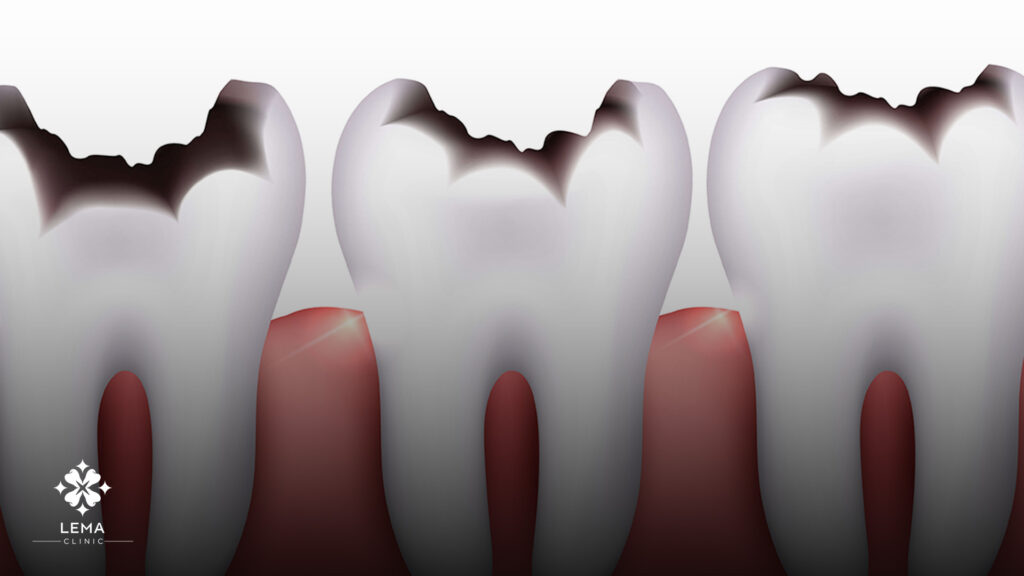
Often, a person may neglect the pain in the tooth to show it may be for quite a long time, or he/she may feel that it is not important. This is not the best decision to respect, though even the mildest pain calls for the consultation of a dentist.
- Periapical Abscess is a condition where bacteria from an untreated cavity or a dental accident infect the root’s main area. In an abscessed tooth, this would account for the majority of the cases reported.
- Periodontal Abscess begins in the gum, and it is often the direct result of the leading gum disease. This type of disease mainly occurs in adults who do not regularly get their teeth cleaned by the dentist.
- Gingival Abscess This is the most superficial kind of abscess. Only the gum tissue and not even the tooth or bone are affected.
What Is an Abscessed Tooth and How Is It Cured?
In the event of someone realizing that he/she may be suffering from an abscessed tooth, the case will be taken to a dentist immediately. Besides, as soon as dental abscess is neglected will it also not resolve by itself and that is an open way for other problems to come up.–it will not be confined in the mouth but can also bring about diseases to the heart, brain, and bloodstream if it travels around.
Traditional Home Remedy For Abscessed Tooth
In the case of having an abscessed tooth, it is important to get it treated immediately, as people usually obtain the same first medication for general health problems. Individuals with abscessed teeth go through the worst toothache and are just those who usually are pretty tired of their aching teeth.
If the Issue Is Not Catered To, the Patient Could Develop More Serious Issues
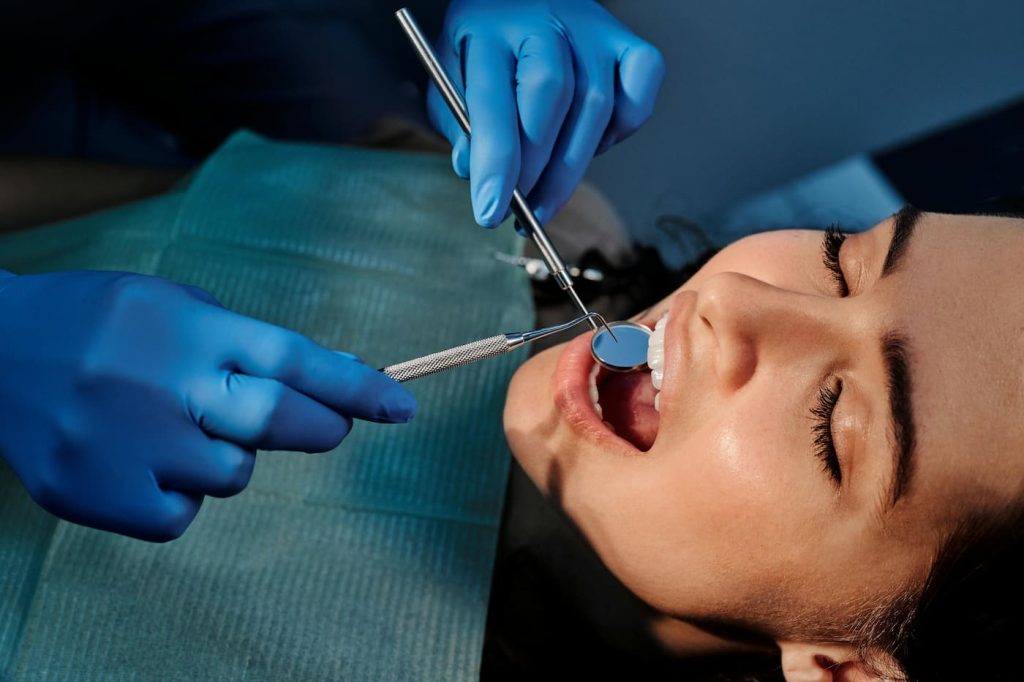
With the dentist’s help, a patient may solve their pain problems. The treatment options that a doctor can prescribe depend on the condition of the tooth and the abscess. Here are some of the most probable ways your dentist will suggest to fix the problem so that you’d be back to the pink of health:
- Surgery: The dentist can make a small incision to release the pus.
- Root Canal Therapy: This is the most common approach to saving a tooth. It includes the extraction of the pulp of the infected tooth and the resealing of the crown.
- Teeth Abstraction: Suppose it so happens that your tooth cannot be treated, then it will be pulled out.
- Antibiotics: They get prescribed when the infection has reached a level more significant than the immediate area of the abscess.
- Pain Relief: The doctor can also prescribe drugs, or the patient can get them over the counter to control pain before the appointed treatment starts.
Dental hygienists can prevent the recurrence of bacteria and help the absorption of the patient, by not only instructing the patient properly and practicing an oral hygiene that includes the elimination of teeth and gum plaque, but also ensuring the maintenance of good oral health. What’s more, it allows the patient to know the one who will be in the driver’s seat of his/her health.
Can You Prevent an Abscessed Tooth?
Indeed yes, once the patient is conscious of what he is doing, it’s not only less expensive but also easier to prevent the infection than to treat it. By doing a twice-daily brushing routine, using dental floss, and going for dental check-ups every 6 months, you could be able to spot the problem early and avoid it. If one follows the afore-discussed practices, they are sure to get rid of the abscessed tooth safely without spending any money and time that will be required for the treatment.
Moreover, giving up the use of food with too much sugar, keeping dental appointments, and taking care of the cavities or gum disease before they get worse is another alternative. Besides, for sportspeople, mouthguards can also be a good method to prevent a tooth from getting abscessed in case of a physical collision.
FAQ: Frequently Asked Questions About Abscessed Teeth
An infected tooth is generally the result of a bacterial infection that emanates from tooth decay, gum disease, or from an injury.
An abscessed tooth can’t get better on its own. Neglecting it can cause far worse situations.
Usually, if one takes care of, the symptoms go away in only a few days, however, they may take longer to recover, even a week or more.
Yes, you heard it right. If poorly managed, an abscessed tooth spreads to the jaw, then to the bloodstream and finally to the brain. This situation is life-threatening.
Of course, the decay in an abscessed tooth can be alleviated for a while with some over-the-counter drugs but it at the same time requires a dentist’s intervention to remove the infection.