What is going on in their mouths from the arrival of those tiny little teeth to their permanent teeth growing is a big part of their health in general. On the other hand, let’s admit it – it is not always easy to keep kids’ teeth free of cavities! Giving in to their love for sweet things, letting them suck on their thumbs, and not remembering to brush – that’s the reason for dental issues of many children at an early age. But don’t be afraid. This booklet exposes and explains the most common problems accompanying children’s teeth and the ways of their prevention.
The oral health of your child is the foundation of their beautiful smile for life. When the occasion comes to go from healthcare to amazing aesthetics, Lema Dental Clinic in Istanbul, Turkey, will be there to assist your family to glow with light. It’s not only the fight for your kid’s oral health that we champion, but also the planning of their future Hollywood Smile.
What Are the Most Frequent Dental Issues in Children?
Although children’s teeth are small, the problems they encounter have the potential to be quite large. Some of the most common dental issues include:
- Tooth decay (also known as cavities)
- Crooked or crowded teeth
- Thumb-sucking and pacifier overuse
- Erosion of enamel due to the consumption of acidic food or drinks
- Tooth eruption or loss at an unusual time
All these issues can negatively influence the way your child eats, speaks, and smiles. Besides, they can result in heavy complications in the future if not taken care of. That’s why, starting from the period of toddler years, going to the dentist on time and taking good care of one’s oral hygiene are a must.
It is still equally vital to know that baby teeth carry a lot of importance. In the long run, even though they fall out, they lay the base for healthy permanent teeth. If a kid loses baby teeth way too early due to decay or injury, it will result in the alignment of teeth and, furthermore, in speech troubles.
Cavities and Tooth Decay: A Growing Concern in Kids
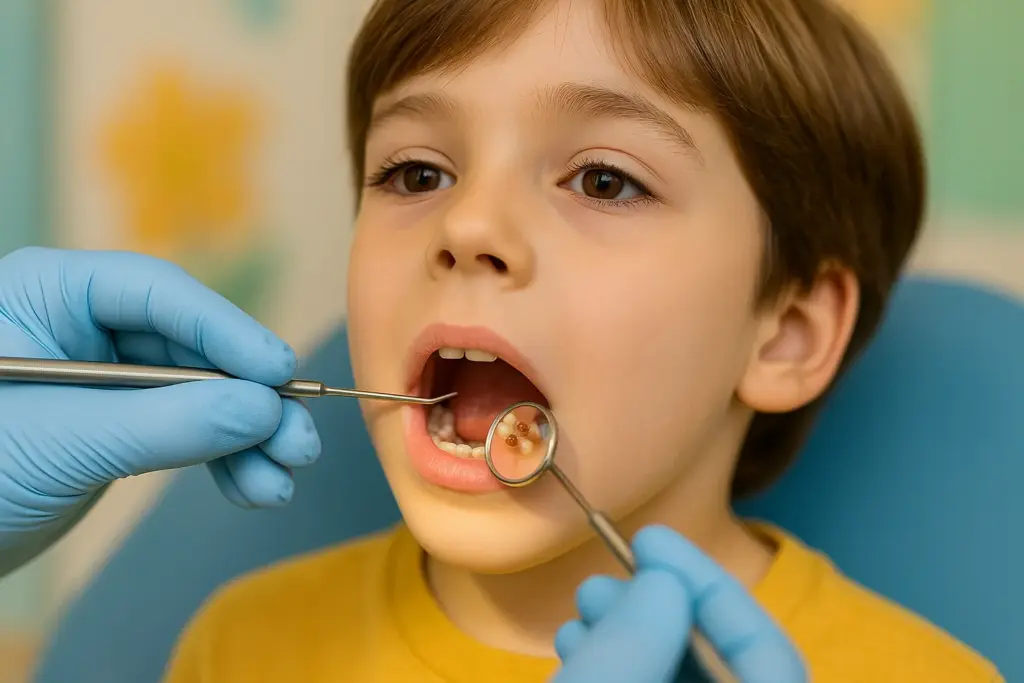
Tooth decay is the leading cause of chronic illness in children, and mostly preventable! Cavities develop when the bacteria in the mouth consume the sugar and generate acid that deteriorates the enamel of the tooth. And yes, infants are no exception; they can acquire caries (we call it baby bottle tooth decay!).
The consumption of sugary treats, juice boxes, and neglecting to brush are the major contributors. Children’s teeth are more prone to plaque because the enamel is thinner in comparison with adults. Furthermore, young kids do not always brush properly—parents, you still have to supervise the activity till the child is at least 7 or 8 years old!
In order to avoid children from having cavities, the parents should limit sugar consumption among their kids, motivate kids to brush twice daily using fluoride toothpaste, and floss should not be overlooked. Besides, nighttime bottles should be limited, and routine visits to the pediatric dentist should be scheduled. Prevention is definitely the best option instead of a dental filling!
Are Crooked or Crowded Teeth in Children Normal?
Baby teeth that are crooked or spaced are not rare to come across—in fact, the kids are still growing so there’s no need to worry too much. But as the time for adult teeth to appear comes, the problems like crowding, overlapping, and underbites become visible and might result in a necessity for some treatment.
Misaligned baby teeth can straighten on their own, but in the majority of cases, they are just a warning sign of the issue with the jaw or lack of teeth. Genes, thumb-sucking, and losing baby teeth prematurely are the factors that can make the issue of teeth alignment worse.
If it looks like your child’s teeth are shifting position, try not to get alarmed. Most orthodontists still advise parents to take a child for a check-up around the age of 7. Initial treatment through the usage of space maintainers or interceptive orthodontics may possibly stop the development of the need for braces in the future. Moreover, when it is necessary, braces, clear aligners, or retainers are able to make a big difference!
The Impact of Thumb-Sucking and Pacifier Habits
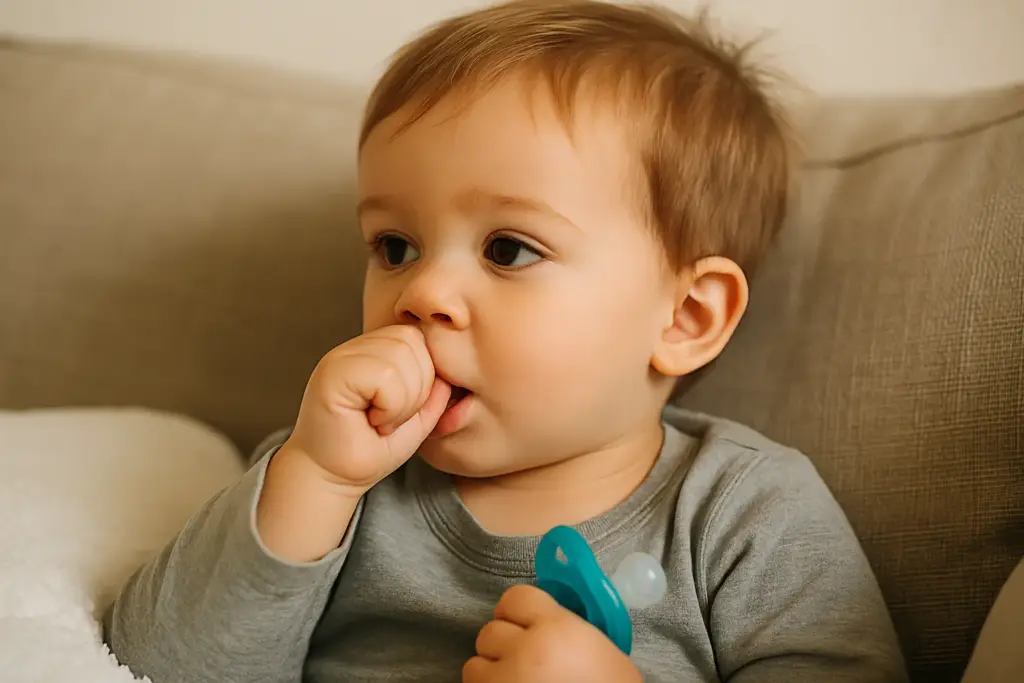
Really, thumb-sucking is cute when your baby is only a few months old. But if that habit is maintained for a long time, it can change the shape of the mouth and lead to improper teeth alignment in your child.
Continuous thumb-sucking and the use of a pacifier (more so after the age of 3 or 4) can cause open bites, speech delays, and crooked teeth. The force exerted by the thumb or the pacifier on the jawbone that is still developing is the main reason for teeth misalignment.
It is crucial to get your child out of the habit as soon as possible. Praise them when they do not use the habit, employ positive reinforcement methods such as sticker charts, and get in touch with your dentist for advice. Sometimes with only a little help and a lot of patience, you can get very far!
How to Bare out Kids’ Teeth Early and Strengthen Them
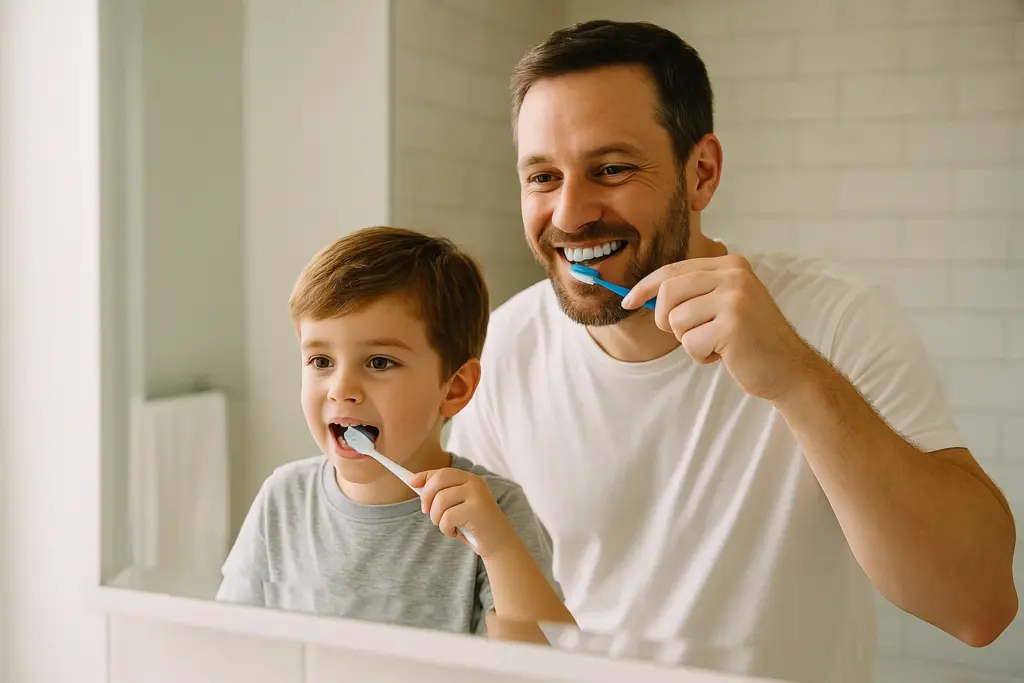
By encouraging healthy habits from the beginning, your child will have strong teeth and be in the position to smile confidently for the rest of his life. Here are a few effective ways that you can protect your child’s dental health:
- Start Early: Even before the first tooth grows, wipe your baby’s gums with a damp cloth. Once the teeth are present, brush them with a soft-bristled brush and water.
- Use Fluoride Toothpaste: Introduce a very tiny amount of fluoride toothpaste to your child’s mouth at the age of two. The fluoride in toothpaste helps to build the enamel and prevent decay.
- Use Water As Your Main Drink: Water is always the best drink. Try to consume less juice and soda, and if you have sticky sweets, do not eat them because they stick to your teeth.
- Brush and Floss Regularly: The brushing time of your child should be two minutes, twice a day, and flossing once a day. More likely, you will have to do it for them until they become proficient.
- The Dentist Visit Should Be Regular: The first dental visit should be as early as 1 year of age. Besides cleanings and exams, the dentist helps kids get familiar with a new place and teaches them that there is no danger.
The difference between kids who believe dental hygiene is a delight (not a task!) and those who don’t is all in the teaching. Brushing as a song, game, or a family routine can keep their enthusiasm alive.
FAQ: The Most Common Problems with Children’s Teeth
Tooth decay happens when bacteria in the mouth feed on sugars from food and drinks, creating acid that damages enamel. Poor brushing and high sugar intake make it worse.
Sometimes they’re just part of growing up, but persistent misalignment can cause chewing, speech, or self-esteem issues. A dentist can help assess the severity.
Encourage daily brushing and flossing, limit sugary snacks, and schedule regular dental visits. Starting good habits early is key.
If the habit continues beyond age 4, it may impact jaw growth and tooth alignment. Talk to your dentist about ways to gently stop the habit.
Children should have their first dental visit by age 1 or within six months after their first tooth comes in. Early visits prevent future problems.