


Among the things that keep our teeth and gums in a perfect state are the importance of leading the list given to brushing, flossing, and dentist visits that are done on a regular basis. But did you ever think that Vitamin D was a vital part of the equation? Though it mainly helps your skeleton, this nutrient of immense power does not lag in giving an enormous contribution to the dental hygiene of the body as well. We are going to discover in this article how Vitamin D influences our dental health and hygiene, as well as the reasons behind the necessity of its daily intake to avoid common dental issues such as tooth decay, gum disease, and many more.
The Relationship Between Vitamin D Deficiency and Tooth Decay
To start with, one of the major problems that is associated with the lack of Vitamin D is tooth decay. Vitamin D is instrumental in setting the stage for the process that would then absorb the most important element for making teeth strong – calcium. In the absence of sufficient Vitamin D, the body will become less efficient in the task of calcium absorption, thus leading to the weakening of enamel. Enamel is the outermost layer of your teeth, and it provides protection. When it is weakened, your teeth become more susceptible to the formation of cavities and decay.
Furthermore, it has been found that low levels of Vitamin D can cause a rapid deposit of plaque and tartar on your teeth, and both these factors lead to cavities. Therefore, oral hygiene should be efficient enough to defend against the buildup of plaque as well as tartar and keep tooth decay at bay. This implies that the best way to attain this form of oral healthcare is by ensuring that therapy involving rickets and other Vitamin D deficiencies is successful.
Is There a Connection Between Vitamin D and Periodontal Disease?

Vitamin D is the building block not only of your teeth but also of your gums. Studies have found that Vitamin D deficiency people to be more vulnerable to periodontal disease, also known as gum disease.
Periodontal disease is a condition that leads to inflammation of the gums. The main reason behind it is the infection of the gums with harmful bacteria. Vitamin D is recognized to aid in balancing the immune system, and one of its functions is to eliminate inflammation. This implies that if you lack Vitamin D, then your immune system is probably less competent than it should be at ridding the body of the bacteria causing gum disease. Consequently, you may have symptoms like being easily infected, bleeding, and, at worst, losing your teeth.
Vitamin D and Its Effects on Healing After Dental Treatment
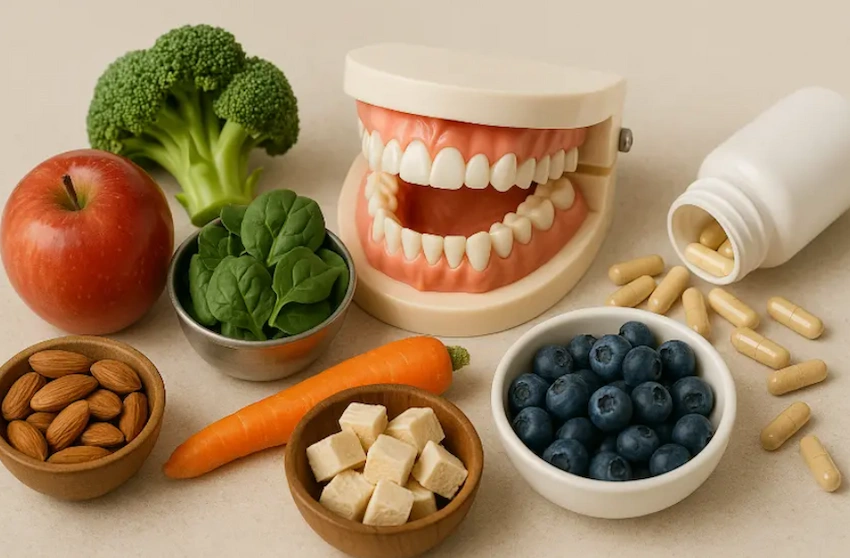
Are you a recent patient of dental treatments such as a filling, dental implant, or even teeth whitening? If yes, then Vitamin D is what you need for your speedy recovery. It is through Vitamin D that the body can make proteins necessary for tissue repair, thus a recovery faster than normally expected is evident.
It is after dental treatment that the body is called upon to regenerate tissues and to make sure that the area affected is healing well. The role of Vitamin D in providing this support is by allowing for cell regeneration and collagen production, which are both necessary for the healing process. For instance, if you had a dental implant or gum surgery, then your recovery would be much slower if your body is devoid of Vitamin D. That would be the situation if you want inflammation and other complications to occur. If you want your recovery to be swift and smooth, you should let your body have the vitamins it requires.
In order to have a healing process that is both faster and more efficient, you must ensure that your Vitamin D levels are properly maintained. It is not only a measure of prevention against oral problems but also a guarantee that your body can efficiently get better from the procedures!
The Effects of Vitamin D Deficiency on Tooth Development in Children

Vitamin D is not only essential for children’s general health but also for their proper tooth development. The first years of life are the period when teeth are forming, and Vitamin D is a key element in this process.
Lack of Vitamin D during the childhood phase can result in improper tooth formation, such as weakened enamel and misshapen teeth. Consequently, children having low Vitamin D levels may encounter severe dental issues later in life, such as cavities, delayed tooth eruption, and other developmental problems.
That is why it is obligatory to be sure that children are getting enough Vitamin D through the diet, sunlight, and if it is needed then through supplements. The Truth is that adequate Vitamin D intake at the onset of intervention can delay the occurrence of dental diseases and ensure the maintenance of oral health in the long run.
How Much Vitamin D Do You Need?

The quantity of Vitamin D that one requires changes with age, lifestyle, and health conditions of that person. Generally, children and adults are advised to take a daily dose of Vitamin D ranging from 600 to 800 IU (International Units). Nevertheless, this can be quite variable considering different factors like where you live (the amount of sun you get), your eating habits, and general health.
If you are residing in a place with very little sun or your diet consists of Vitamin D-rich foods (like salmon, milk, and eggs) and you still eat only a few of these foods, then it is highly probable that you are Vitamin D-deficient, and so you would require supplementation. The best, most reliable, and safest way to know the appropriate dose for you is through your health care provider, especially when you suspect Vitamin D deficiency.
Vitamin D can be a straightforward and powerful step to keep away from regular dental difficulties if you are practicing good oral health and want to incorporate Vitamin D in your daily routine. It doesn’t matter if you are concentrating on recovery or prevention; the right amount of this crucial nutrient will have a significant impact.
This is because— besides the well-known bone-building function— vitamin D turns out to be a potent anti-inflammatory agent and an effective antioxidant. Moreover, it is essential early in the immune response since it helps cells from our defense system to fight germs. Also, vitamin D is a very important element in the formation of enamel.
Looking to prevent gum diseases to beat the risk of cardiovascular diseases or lessen
FAQ: The Effect of Vitamin D on Teeth and Gums
Yes, vitamin D is very helpful for teething. Slowly, it will become your baby’s teeth helper and the main source of calcium during the time of the tooth’s formation, eventually ensuring the proper development of the teeth.
Vitamin D deficiency may become a cause of mouth sores because the vitamin has a role in maintaining the immune system. Without sufficient Vitamin D, your body might have a weakened capacity to resist infections, which in turn, may result in the occurrence of painful canker sores.
The daily consumption of Vitamin D helps maintain the stability of our bones and teeth, enhances immune functionality, and elevates the general condition of the body. However, it is very important to follow the recommendations of the daily dosage. An excess of vitamin D can lead to vitamin D toxicity.
Indeed, an inadequate amount of Vitamin D can lead to the receding gums problem. The reason is that Vitamin D is very important for immune health, and without it, your gums may harbor infections more easily, and consequently, as the damage accumulates, recession will occur.
Vitamin D directly positively affects your teeth by making it possible for your body to get the necessary amount of calcium from the food, which thoroughly strengthens your tooth enamel. Lack of vitamin D makes the teeth more prone to dental caries, cavities, and other oral health problems.

