


Important Steps to Take for a Healthy Mouth After a Dental Check-up
When a dental check-up is carried out, the process of cleaning your mouth usually causes sensitivity. Post-cleaning and oral hygiene treatments which are rightly done will contribute to the prevention of discomfort. Besides this, your teeth and gums will be kept healthy. It is the first and most important thing to do, to postpone eating and drinking for a while after the treatment. Essentially, this will allow any fluoride treatment received during the process to ‘build up’ and hence promote the utmost benefit of the teeth.
- Wait 30 minutes before eating or drinking: It is important not to eat or drink for 30 minutes at least after the cleaning procedure. This gives the teeth the chance to settle after the professional cleaning. The time of waiting becomes very significant in case fluoride treatments have been done during the visit. Fluoride supports enamel, and when it is allowed to remain on the teeth undisturbed it provides the best defense and also contributes to the prevention of decay in the future.
- Do not consume hot food and drinks for 4 hours after the oral cleaning: Your gums and teeth may be more sensitive after your appointment if, for example, your cleaning was very thorough, or your tartar was removed. It is recommended that during the first four hours after your visit you do not take hot foods or drinks as they may irritate your gums or cause sensitivity to your teeth. Coffee, hot soup, or even hot and spicy food are some examples of foods and drinks that can irritate during this time; therefore, consuming cooler options will keep you from getting the irritation of the mucosa.
After the cleaning process in your mouth, you need to be gentle when brushing before going to sleep. It is best to use a soft-bristle toothbrush because it can clean without any additional irritation of your gums.
- Light brushing of your teeth before bedtime: Brushing your teeth before going to bed is one of the main habits for good oral hygiene. Nevertheless, it is very important to be gentle during the first few hours after the dental cleaning so as not to cause an increase in sensitivity. Use a soft toothbrush and fluoride toothpaste so that you can remove the food particles and bacteria that are left without injuring your gums. Correct brushing with the help of your cleaning and the prevention of plaque that can accumulate during the night will be possible.
Gum and Tooth Health Improvement Methods Post Dental Check-up
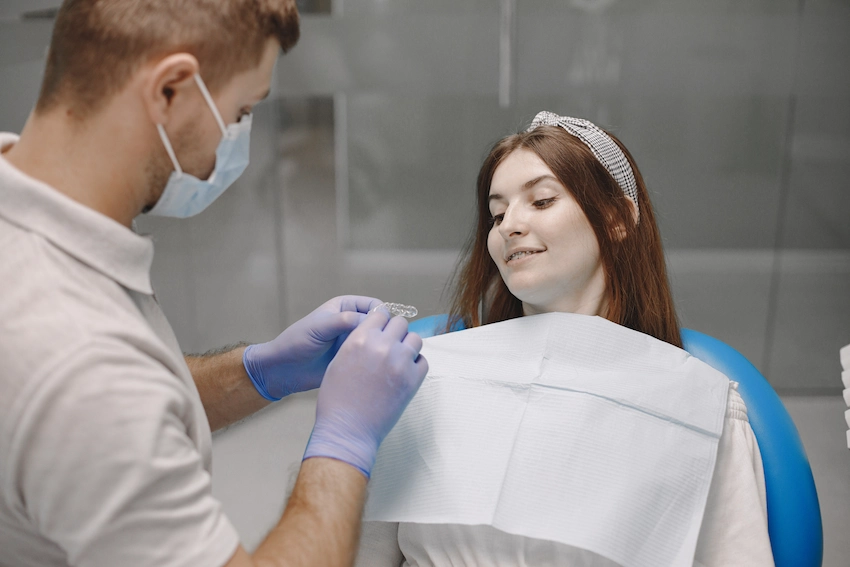
It is necessary to strengthen the health of teeth and gums through a proper oral care routine for both teeth and gums to stay in the best of their health after a dental check-up. Brushing and flossing sessions are so important, but there are also other ways through which you can keep the work done in your visit intact. Your dentist may give you a set of recommendations depending on your oral health that may also include the use of a specific mouthwash and diet changes.
One of the essential steps in maintaining strong enamel and getting rid of the harmful bacteria that come from the mouth is a regular fluoride toothpaste brushing routine. Make sure you brush your teeth twice a day with the toothbrush going over brushing the teeth that show with the fronts, backs, and chewing sides which are most vulnerable to plaque. In fact, a clean mouth prevents the formation of dental caries and aids the organism to fight off the development of gum disease, which when left untreated, can cause subsequent oral infections like tooth loss.
Moreover, the use of dental floss every day is necessary to get rid of the plaque formed in areas where the toothbrush cannot reach. Flossing prevents gum disease because it cleans the spaces between teeth. Bacteria, as a source of infection, are often attracted to the narrow gap areas between your teeth. Floss picks, water flossers, and soft picks are some of the products that one may resort to if they consider the traditional floss hard to manage, and this is because these products can make the thread of the floss easier andquickerk whilst still being able to clean effectively at the same time.
If you are really looking for ways to assist your gums to stay healthy, add fluoride or an antifungal mouth rinse as a part of your oral hygiene regimen. These products are meant for the elimination of bacteria that are harmful to the users and as a result, the gums get healthier. There are a few mouthwashes with specialized purposes, for instance, a mouthwash that the dentist might recommend specifically for the relief of dry mouth, one that provides extra fluoride protection, and one that helps with gum disease. Making sure that your gums are in perfect health is the secret to avoiding instances such as inflammation, which is the least of your problems, gum recession, or even tooth loss.
How to Benefit from Your Oral Hygiene After Visiting the Dentist?
The best and most efficient way to keep the results as well as to prevent oral health problems that may occur in the future is to improve your oral hygiene routine after the dental check-up. Generally, people are aware of the fact that brushing and flossing should be included in the routine, however, the major issue is to ensure that they are done correctly and on a regular schedule. It can mean learning more about the proper brush usage, selecting the right products for your mouth, and simply using more oral care products.
Proper tooth brushing is one of the fundamental and most significant parts of the oral care routine. A soft-bristled toothbrush with fluoride toothpaste should be used, and brushing should be done for at least two minutes every time. Make sure that the toothbrush is at a 45-degree angle to your gums, and use small, circular motions to brush gently. Don’t brush so hard as it will cause your gums to recede and your enamel to wear out over time. Furthermore, it is recommended that brushing from all sides of a tooth should be done, i.e. the backs, the fronts, and the chewing surfaces, respectively, should be taken care of.
Most people, even though flossing is just as important as brushing, are not regular flossers. The usage of floss picks or traditional floss can not only make the removal of food particles that are stuck in the interdental spaces possible but also the distribution of bacteria in these areas where the toothbrush cannot reach. Measure the dental floss to the correct length and, somewhat carefully, insert it between the teeth, turning it so it wraps around each tooth and dragging it vertically to release the rubbish. If you find it difficult to use the regular floss, you may go for a water flosser or floss picks which will make it easy for you to achieve the same results.
Using a mouthwash along with brushing and flossing will be a handy method to completely eradicate bacteria that cause oral diseases and give you a refreshing breath. A dentist might advise you on a particular kind of mouthwash which could be a fluoride or an antimicrobial one depending on your oral health needs. Check that the mouthwash you have selected is not an alcoholic one because it can make your mouth dry and cause more problems.
Eating Habits That Support Oral and Dental Health
The prime factor that maintains your teeth and gums in good health is the way you eat. The regimen you follow will influence not only the condition of your teeth and gums but also the level of your protection against other oral health problems like caries and gingivitis. It is always a must to have a diet that keeps oral health very strong and also safe from diseases after a dental examination.
A very effective mode of action to fortify the teeth is the intake of foods that are rich in all the necessary minerals. To illustrate, milk, cheese, and yogurt are the three dairy products that are very rich in calcium main material of enamel- and they also help in the prevention of dental caries. Besides that, vegetables like spinach and kale full of vitamin C, are the perfect sources of the vitamin that is required for the formation of healthy gums. Vitamins and minerals not only keep your teeth from the acids and plaque attack, but also maintain the enamel strength and your gums’ health.
However, there are some foods that make your teeth and gums weak. For instance, sugary and sticky foods, candy, carbonated drinks, and dried fruits that are high in sugar can be the main reasons for plaque formation on teeth and as a result of decay. Acidic foods like citrus fruits and vinegar-based dressings can cause your enamel to slowly dissolve and thus your teeth can be easily infected by decay. You can be a long-time friend of your oral health if you do not consume these products and instead eat vegetables, nuts, and drink water that are good for your teeth.
| Foods for Strong Teeth | Foods to Limit |
| Dairy (cheese, yogurt, milk) | Sugary snacks (candy, cookies) |
| Leafy greens (spinach, kale) | Acidic foods (citrus, soda) |
| Apples, carrots, and other crunchy veggies | Sticky foods (caramel, dried fruits) |
Regular Dental Check-ups: When Should You Schedule Your Next Check-up?
Regular dental check-ups are a must if you want to have good oral health and avoid the occurrence of future problems. Generally, the recommendation is for people to see their dentist every six months. Nevertheless, some patients, like those suffering from periodontitis or having a history of cavities, are required to visit the dentist more often, so that their oral health is closely monitored.
Diagnosing diseases at early stages through these visits is your dentist’s aim which may include cavities, gingivitis, and oral cancer, among others, thus, the necessity to check through the detailed routine examinations by your doctor.
Besides preventive care, the dentist may suggest identified treatments or repeat visits to handle the given condition. Those wearing braces, have dental implants or undergone other forms of complex treatment may need a specialist touch during their check-ups to keep their dental work in good condition and efficient. Regular visits also provide a chance for any new concerns to be raised and treatment options to be discussed for the maintenance of good oral health.
Things to Consider During the Healing Period
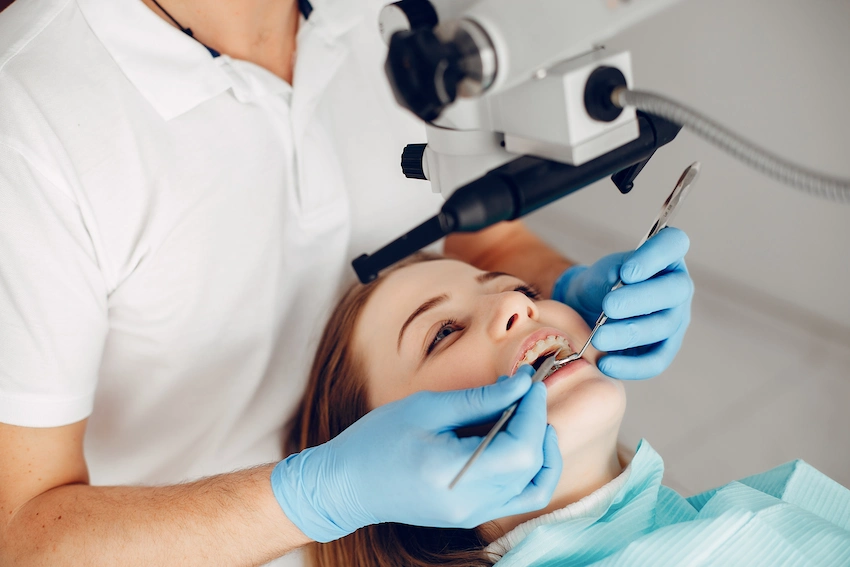
It is very important to endure the healing period after the dental operations like extractions or fillings; that time is basically the recovery method. Your dentist’s instructions for aftercare have to be strictly adhered to if you want to steer clear of any related problems, be it an infection or the dreaded dry socket. Take smoking, drinking through a straw, and spitting out your mouth as examples – these are activities that may seem harmless right after a tooth extraction; however, they are capable of significantly slowing down your body’s natural healing process.
If there is swelling or pain, the use of ice packs can help reduce the discomfort and swelling get lower and can last up to 24 to 48 hours. Also, by eating only soft food, you can eliminate the chance of the treated area becoming inflamed, thus, it will heal quickly. The dentist though would probably tell you that you need to be very careful when brushing the area where the treatment has taken place and that you can use saltwater mouthwash in order to keep the area clean.
When Should You See a Doctor?
In case of continuous pain, swelling, or bleeding that you can’t manage and that lasts a few days after a dental treatment, you must get in touch with your dentist without delay. They may be indications of infection or other health issues that the doctor ought to take care of. Should you find that your teeth and gums have changed and that sensitivity is progressing, bleeding is happening, or smell is not, going to a dentist for his/her expert opinion is the right thing to do. The earlier the intervention, the less the chance that what used to be minor issues turn into big and complicated ones.
References:
- American Dental Association. (2020). Oral health topics: Dental checkups. Retrieved from https://www.ada.org/en/member-center/oral-health-topics/dental-checkups
- Genco, R. J., & Salkin, B. S. (2019). Prevention of periodontal disease: A comprehensive approach. Journal of Clinical Periodontology, 46(6), 611-619. https://doi.org/10.1111/jcpe.13145
- National Institute of Dental and Craniofacial Research. (2018). Periodontal disease. Retrieved from https://www.nidcr.nih.gov/health-info/gum-disease
- MouthHealthy, American Dental Association. (2021). Post-dental procedure care. Retrieved from https://www.mouthhealthy.org/en/az-topics/p/post-procedure-care
- Petersen, P. E. (2017). The World Oral Health Report: Continuous improvement of oral health in the 21st century. World Health Organization.
FAQ: Steps to Take After a Dental Check-up for a Healthy Mouth
After a tooth extraction, apply gentle pressure with a gauze pad to stop bleeding and follow any prescribed pain management plan. Avoid vigorous activities and keep the extraction site clean to reduce the risk of infection.
After a cleaning, avoid eating or drinking for at least 30 minutes to let any fluoride treatment take effect. Be cautious with hot beverages and foods for up to 4 hours to prevent sensitivity.
Regular brushing, flossing, and using an antimicrobial mouthwash are essential. Additionally, maintain a balanced diet and schedule routine dental check-ups to ensure long-term oral health.
Refrain from chewing on the side of your mouth with the filling until the numbness wears off. Follow your dentist’s advice for any necessary follow-up care to ensure the filling stays secure.
Wait 30 minutes before eating after tartar removal to allow your teeth to settle and avoid irritation. Stick to cooler, softer foods during this time to prevent discomfort.
You can gently brush your teeth after a dental cleaning, but it’s recommended to wait 30 minutes before doing so. This ensures your gums are not overly irritated.
Follow your dentist’s instructions carefully, including taking prescribed antibiotics and rinsing with saltwater. Avoid touching or disturbing the extraction site to promote healing and prevent infection.

