


What is the Recommended Frequency of Dental Checkups?
Regular dental check-ups must be part of a person’s life- they are always the main instruments that not only prevent the decay of the teeth but also offer general health to the body (as they are capable of detecting diseases of the mouth, some of which may be the cause of the body). It is very important to be able to know, in a very precise way, the time of the next visit to the dentist so that not only your beautiful smile but also your health is maintained at its best at all times.
Why Are Regular Visits to the Dentist so Important?
There are several reasons why going to a dentist regularly is so crucial, they are:
- Early Detection of Dental Issues: Dentists can quickly discover situations like cavities, periodontitis, or oral cancer, thus, the treatment will be on time.
- Professional Cleaning: The routine checkups involve cleanings to get rid of plaque and tartar, which are the causes of gum disease and cavities.
- Keeping Dental Hygiene: a check by a professional will ensure that you are practising the right ways of taking care of your teeth which include brushing and flossing in the correct manner.
- Stopping the Need for Expensive Treatments: Diagnosing the dental problems in their early stages will not only be the cause of avoiding the more expensive treatments like root canals or extractions but also keep the oral health in good condition.
By abiding with these appointments you will be doing your best for your dental health and the chances of emergency dental work and dental problems that require expensive treatments will be very low.
Who Sees the Dentist More Often?
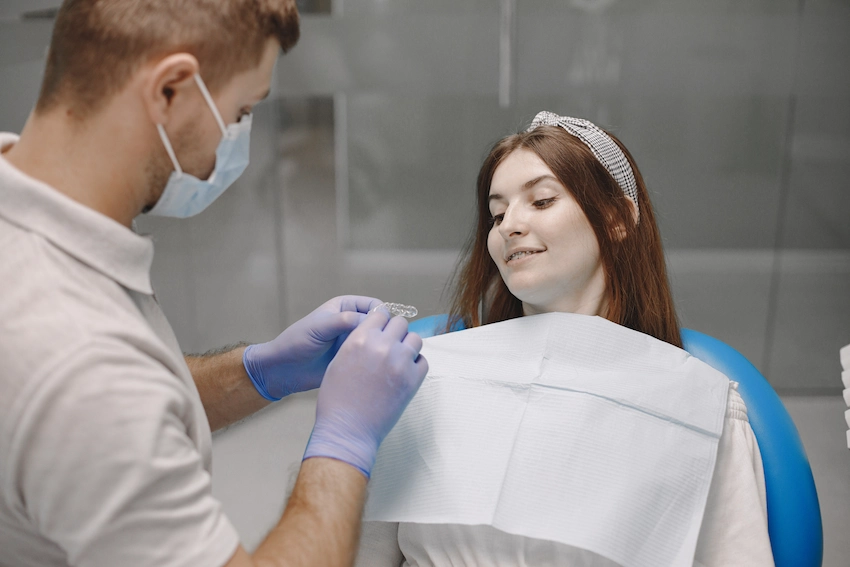
Anyone who requires more oral care could be a regular visitor to the dentist. Listed below is a tabulation of various categories with the recommended dental visit frequency for each:
| Group | Recommended Frequency | Reason |
| Children | Every 6 months | To continuously monitor the growth and development of the teeth |
| Pregnant Women | Every 6 months | Due to the occurrence of a hormonal change, there is a higher risk of gum disease |
| Patients with Gum Disease | Every 3–4 months | Retention and monitoring of the condition |
| Individuals with Dental Implants | Every 6 months to 1 year | Hosting and implant state check |
| People with a History of Cavities | Every 3–6 months | Prevention of decay progression and identification of cavities at an early stage |
| Elderly Adults | Every 6 months | To monitor oral health and prevent tooth loss |
Is it Necessary to see a Dentist Twice a Year for a Checkup?
The standard check-up a dental check-up is usually scheduled every six months. By this, the dentist can regularly track the health of the patient’s mouth and do the necessary cleanings to prevent the development of plaque and the occurrence of cavities. If you are affected by some diseases or have a medical history of dental problems, your doctor might ask you to visit him more often.
Benefits of 6-Month Checkups:
- Prevention of cavities and tooth decay is facilitated
- The signs of oral cancer are detected at the very early stage
- The health of the gums is supported
- The results of your oral hygiene practices are evaluated
Nevertheless, some individuals such as those at high risk for dental issues may be required to have more visits than usual to ensure their oral health condition.
Do I Really Need a Dental Cleaning Every 6 Months?
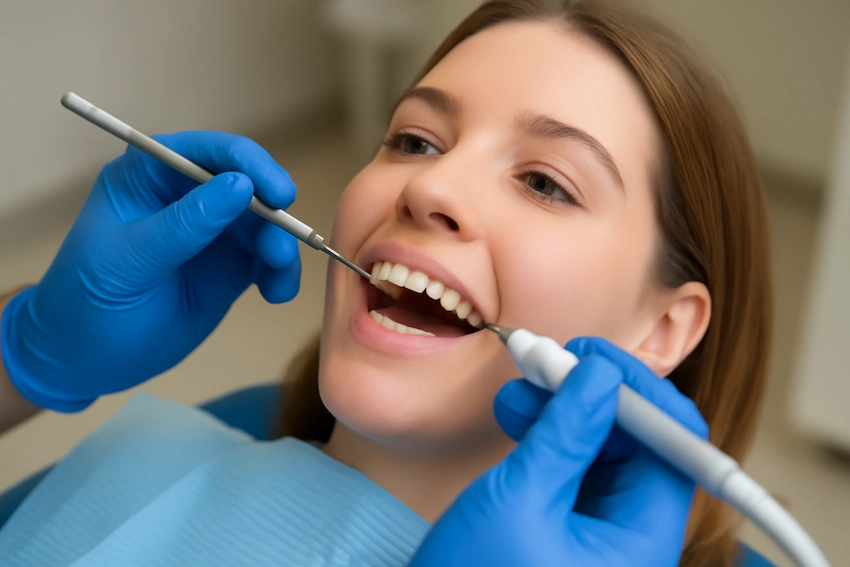
Definitely, a professional cleaning every six months is the limit in most cases. Regular brushing and flossing can be the main pillars of the oral hygiene; however, they may not be enough to totally remove the plaque and tartar accumulations. A dental hygienist can take advantage of some special tools to remove the plaque and tartar that are not easily accessible and that have been the main reasons for the occurrence of gum diseases and dental caries.
What is the Process of Dental Cleaning?
- Cleaning the teeth of the plaque and tartar that have arisen
- Massaging the teeth to eliminate the surface stains that have been developed
- Using the dental floss to clean the space between the teeth
- Applying fluoride on the teeth to help the enamel of the tooth to be stronger
If you have the likelihood of encountering dental problems such as gum disease, then your dentist will certainly advise you to have cleanings more often.
What’s Done During a Dental Checkup?
A dental checkup is performed through several basic operations that are meant to measure the health of the teeth, gums, and oral cavity. The “checkup” transaction is separated into these categories:
| Procedure | Description |
| Visual Examination | The dentist will visually check out your teeth and gums to see if there are any signs of problems. |
| X-Rays | Brief X-rays can help detect cavities hidden between teeth and also give an estimation of the jawbone’s condition. |
| Cleaning | A professional cleaning is a service to completely remove the plaque, tartar and to put a shine on the teeth. |
| Fluoride Treatment | The fluoride that is put on teeth is for the purpose of better protection from caries and a strengthening of the enamel. |
| Oral Cancer Screening | Generally, a dentist is on the lookout for symptoms of oral cancer in patients over 40 years old. |
| Discussion of Oral Hygiene | The dentist will inquire about your dental hygiene practice and give his/her recommendations. |
The checkup is essential for maintaining good oral health and identifying any issues before they become more complicated.
When You Should See a Dentist ASAP
While regular checkups are important, there are certain situations when you should visit the dentist immediately. The following table outlines signs and symptoms that warrant immediate attention:
| Symptom | Possible Issue |
| Tooth Pain Is Really Severe Or Sensitivity | Tooth decay, cavity, abscess, or infection |
| Gums That Are Swollen Or Bleeding | Gum disease, abscess, or infection |
| Tooth Chipped Or Broken | Oral trauma, fractured tooth |
| Persistent Bad Breath | Gum disease, decay, or other |
| Loose or missing teeth | Delaying care in these situations can lead to more severe health issues and longer recovery times. |
References
- Summitt, J. B. (2013). Fundamentals of operative dentistry: A contemporary approach. ISBN: 978-0867155791.
- Boyd, L. D. (2020). Preventive dentistry: The path to better oral health. ISBN: 978-0134894087.
- Fisher, J. H. (2021). The complete dental guide: A comprehensive resource for oral health. ISBN: 978-0323811244.
Darby, M. L. (2018). Dental hygiene: Theory and practice. ISBN: 978-0323554021.
Frequently Asked Questions About Frequency of Dental Checkups
There could be many dental issues that silently multiply in the patient’s mouth due to a delay in dental checkups for such a long time. Besides that, these diseases get worse as the patient grows older, so he/she will need to shift from simple to complicated, very costly treatments.
Usually, it is recommended to clean the teeth every six months. However, some people might need more frequent cleaning if they have periodontal disease and other dental problems.
Proper oral care and cleaning should be supported with a dental checkup at regular intervals. Less than a year is preferable to a longer period without a dental visit. Regular checkups are the best way to prevent oral problems and at the same time, treat them in their early stages.
Usually, Dental checkups are painless. Some interventions, for instance, cleaning, may cause a little discomfort which is the nature of good oral health maintenance and in the prevention of other problems.
The time for a regular dental exam can differ from as little as 30 minutes to an hour mainly depending on the extent of the investigation and any required treatments.
It varies how much a dental checkup will cost. Most dental insurance plans cover routine dental checkups. If you are not insured you.
Insurance, several clinics provide low-cost and financial plans for your oral care

