


Helpful adjunct, not a replacement.
Walk down the dental care aisle of any supermarket, and you will receive a flood of choices. Liquids in every shade of blue, green, and purple promise fresh breath, stronger enamel, and living without bacteria. You might feel like your routine is not complete if you are not swishing daily.
But the question is: Do we really need mouthwash, or is it simply another matter of marketing? The solution is not just a yes or no. It is wholly dependent on the kind of mouthwash you have and the condition of your mouth.
Based on our clinical experience at Lema Dental Clinic in Turkey, we consider mouthwash as the “liquid insurance.” That can be a very powerful adjunct when used correctly, but a complete waste of time if used as a shortcut. Not one of the cornerstones of hygiene, like brushing or flossing.
Let’s figure out the biology of this liquid step and when it matters and when it does not.
The 25% Rule: Why Brushing Isn’t Enough
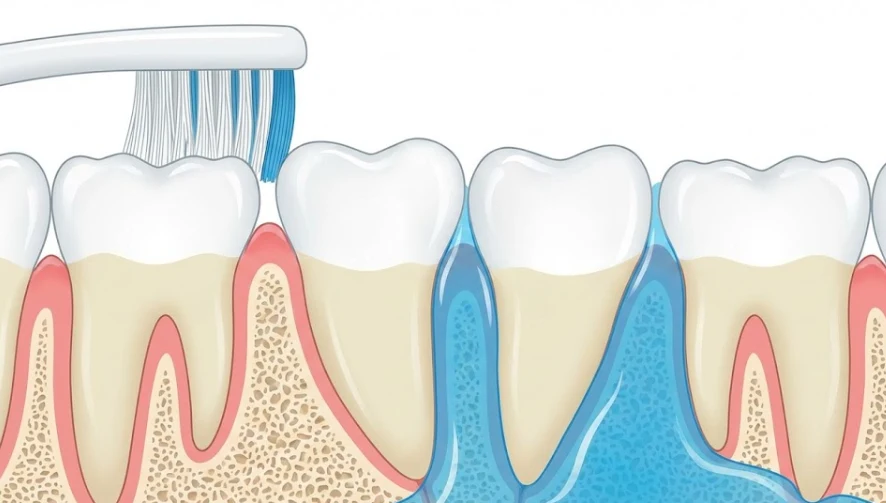
A very interesting piece of information, which Professor Doctor Coşkun Yıldız repeatedly tells the patients he meets for consultations in Istanbul, is that your teeth constitute only about 25% of your mouth’s total surface area.
Imagine that. Even if you brushed perfectly for two full minutes, you would only clean one-fourth of your mouth. The other 75%—your tongue, cheeks, the floor of your mouth, and the very back of your throat—are the nicest places for bacteria to dwell.
Brushing and flossing are mechanical actions in which your hands physically work to completely remove sticky plaque from tooth surfaces. However, mouthwash is chemical warfare. It is made so that it can go to quite literally any place where toothbrush bristles do not fit and drastically reduce the whole bacterial load in the entire oral environment.
When you clean only mechanically with no mouthwash, you are leaving a big number of bacteria that will be back very soon to recolonize the teeth that you have just brushed.
Not All Rinses Are Created Equal
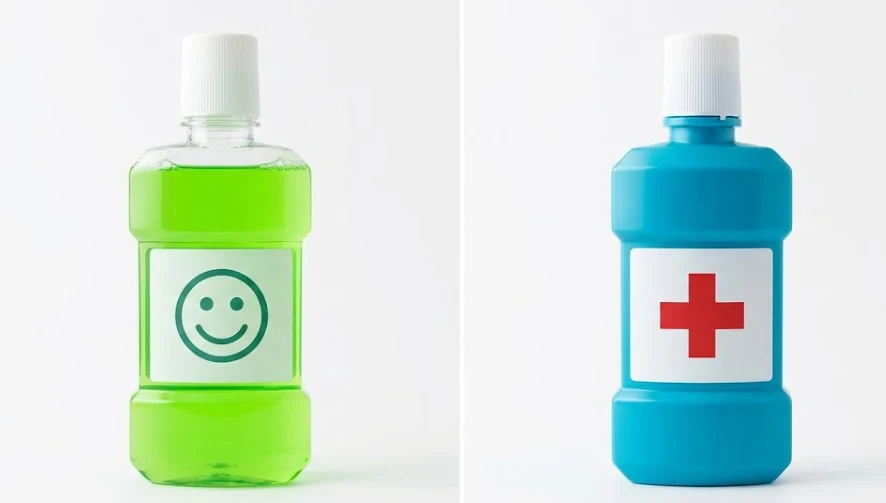
Most patients are probably to blame for this mistake: they pick the bottle with the most intense mint flavor and presume that it will be the best one.
Dr. Polen Akkılıç and her team at Lema Dental Clinic point out that the difference between cosmetic and therapeutic mouthwashes is very important.
- Cosmetic Mouthwashes: In short, these are basically just perfume for your mouth. They could temporarily door the “mask” bad breath (halitosis) by the minty flavor, but in no way are they helping to kill the bacteria which cause the odor or make them even stronger your teeth. Clinically, they are unnecessary but still nice.
- Therapeutic Mouthwashes: A therapeutic mouthwash is a product that has the ingredients that have an active effect on the treatment of the condition. For example, the regulation and scientific proof of an ingredient’s efficacy such as reducing gingivitis, fighting cavities or controlling heavy plaque buildup.
Make the most of it by picking a therapeutic one if you are going to give your routine a step.
Comparison: Understanding Your Options
| Type of Rinse | Primary Ingredient(s) | Main Purpose | Is it “Necessary”? |
| Cosmetic Rinse | Flavoring agents, low alcohol | Temporary breath freshening. | No. Strictly optional. |
| Fluoride Rinse | Sodium fluoride | Strengthening enamel, preventing cavities. | Highly Recommended for high cavity risk patients. |
| Antiseptic Rinse | Essential oils, Cetylpyridinium chloride (CPC) | Killing bacteria that cause gingivitis and plaque. | Beneficial for most adults as “insurance.” |
| Prescription (Post-Surgical) | Chlorhexidine Gluconate | Intensive bacterial elimination after surgery (like implants in Turkey). | Yes, mandatory for short-term healing periods. |
The Lema Perspective: When We Prescribe It
We don’t tell every patient they must use mouthwash. If a patient has impeccable flossing habits and zero signs of gum disease, they may not need the extra chemical help. However, the reality is that very few people floss perfectly every single day.
We strongly advise therapeutic mouthwash for specific groups arriving at our clinic in Turkey:
- Patients with Gingivitis: If your gums bleed when you floss, you have an active infection. An antibacterial rinse helps lower the bacterial count while your gums heal.
- High Cavity Risk: Patients with dry mouth or a history of frequent fillings benefit immensely from the added fluoride exposure of a rinse.
- Post-Procedure Healing: After placing dental implants or veneers, Dentist Akkılıç’s protocol often includes a short-term prescription rinse (like Chlorhexidine) to ensure a sterile environment for integration.
FAQ: Common Questions About Mouthwash
Absolutely not. This is the most dangerous myth in oral hygiene. Flossing physically dislodges the sticky “biofilm” (plaque) from between teeth. Mouthwash is merely a liquid; it cannot penetrate thick plaque buildup. You must mechanically break up the colony with floss first. Think of it this way: you wouldn’t try to clean a dirty lasagna dish just by rinsing it with soapy water—you have to scrub it first.
That intense sting is usually alcohol, sometimes making up 20% of the bottle’s content. Alcohol is used as a carrier for active ingredients and gives that “fresh” feeling, but the burn does not mean it’s working better. In fact, alcohol can be drying to the mouth tissue, which can sometimes worsen bad breath long-term. We often recommend alcohol-free therapeutic versions for daily use.
This is a valid concern. Broad-spectrum antiseptic mouthwashes do not discriminate; they kill both pathogenic (bad) bacteria and commensal (good) bacteria. For the average person, the oral microbiome recovers quickly. However, this is why we don’t recommend super-strong prescription rinses for indefinite daily use unless specifically advised by Professor Doctor Yıldız for severe periodontal disease.
Surprisingly, perhaps not. Most toothpastes contain higher concentrations of fluoride than mouthwash. If you brush and immediately swish with mouthwash, you might actually be rinsing away the concentrated fluoride toothpaste residue. It is often better to use a fluoride mouthwash at a different time of day, perhaps after lunch, to give your teeth an extra “hit” of protection when you aren’t brushing.
Following significant procedures here in Turkey, such as full mouth implants or extensive veneer prep, we rely on Chlorhexidine Gluconate rinses. It is the gold standard for short-term post-surgical antisepsis. It’s incredibly effective at keeping the surgical sites clean during the critical first week of healing, but we stop its use after that period because it can cause temporary staining of the teeth.
- American Dental Association (ADA). (2023). Mouthwash (Mouthrinse). ADA Seal of Acceptance findings.
- Barnett, M. L. (2006). The rationale for the daily use of an antimicrobial mouthrinse. The Journal of the American Dental Association, 137, S16-S21.
- Haps, S., Slot, D. E., Berchier, C. E., & Van der Weijden, G. A. (2008). The effect of cetylpyridinium chloride-containing mouth rinses as adjuncts to toothbrushing on plaque and parameters of gingival inflammation: a systematic review. International Journal of Dental Hygiene, 6(4), 290-303.
- Marinho, V. C., Chong, L. Y., Worthington, H. V., & Walsh, T. (2016). Fluoride mouthrinses for preventing dental caries in children and adolescents. Cochrane Database of Systematic Reviews, (7).
- Takenaka, S., et al. (2019). “Plaque biofilm control by mechanical and chemical means.” Japanese Dental Science Review, 55(1), 138-142.

