


You cannot avoid getting a smile that will speak for itself, and also keep the rest of your body in good shape via oral hygiene, a must-have for healthy and beautiful teeth. Even daily regular brushing and flossing are, as a matter of fact, not enough to completely avoid oral problems. Consequently, professional treatments alone will not suffice to achieve good dental health. It will then be necessary to integrate professional treatments with home care to have the highest oral health level.
Oral hygiene is not only for beautiful teeth and gums. Good dental hygiene will also contribute to a healthy mouth and the tissues surrounding it that are free of infections like cavities, periodontitis, and tooth loss. Moreover, the dental condition is very closely linked to the general health of the body. Bad oral hygiene has been the source of the following diseases that have been noticed: heart diseases, diabetes, and memory loss, which is slowly caused by the brain, besides being difficult to recover from.
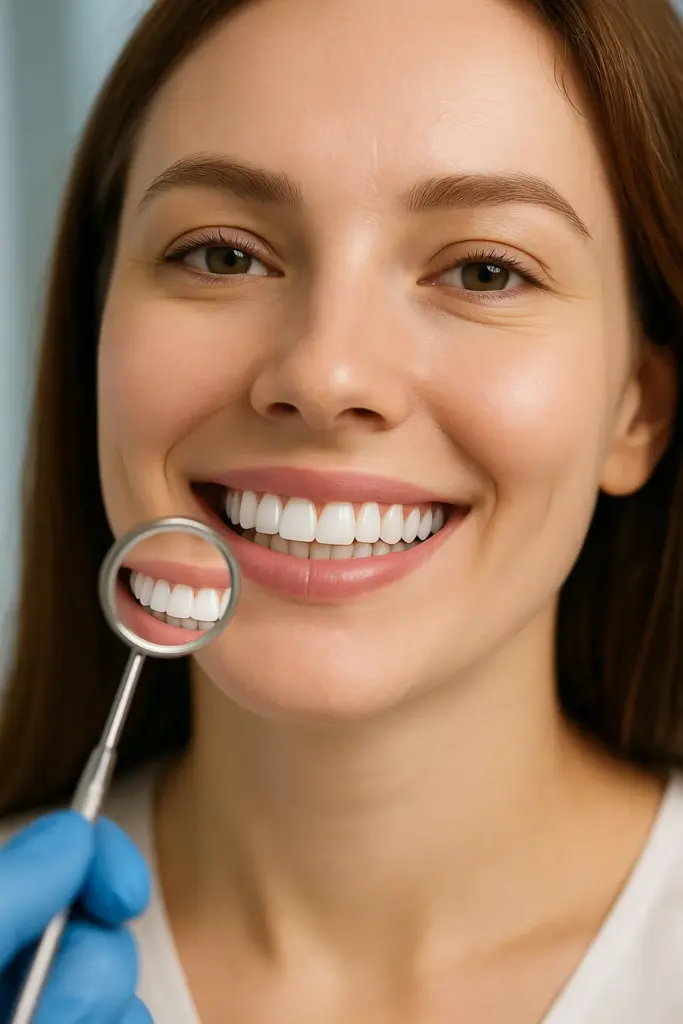
We shall discuss what the basic needs for dental care are, how often they should be done and professional treatment, and how these habits can contribute to your good health in this article.
Why Dental Hygiene Is Important
Dental hygiene is not solely about having pearly white teeth, but also a very important aspect of the whole body. The prevention that people need came from both home remedies and professional care, which fended off the bacteria and plaque buildup—the two main causes of oral and systemic health issues.
Oral health greatly helps to:
- Prevent Cavities: Regular brushing and flossing are the main activities through which plaque and bacteria are removed, since these organisms are the main inducers of the incipience of tooth decay.
- Fight Gum Disease: Gingivitis and periodontitis are bacterial-caused infections that, if not treated, can lead to the continuous growth of bacteria in the bloodstream.
- Boost Confidence: The set of teeth when they are in good health and beautiful is like a strong self-esteem booster which can make you feel more self-reliant in your social and business encounters.
- Protect Your Health: In spite of the fact that some systemic diseases like heart disease and diabetes can still be present, a clean mouth, which is achieved through oral hygiene, may reduce the occurrence of these diseases.
At-Home Dental Hygiene: Your Daily Routine
One of the main principles that daily home oral hygiene treatment should be based on is “doing the things”, which is the main guarantee for dental care; thus, the maintenance of oral health at the highest possible level is dentally ensured. Apart from professional dental treatment, it should be emphasized that the daily routines of brushing, flossing, and keeping the mouth hydrated are the backbone of the fight against oral problems.
The significance of each part of the at-home dental hygiene routine, the practice, and its importance, one by one, has been identified.
1. Brushing Your Teeth

How Often? Brushing of teeth has to be done once in the morning and once at night before going to sleep. In case you are able to brush your teeth after every meal, then it would be an even better brushing that would remove food particles and would also prevent plaque from developing.
- Why? The primary and most basic part of brushing stands as the main contributor to oral hygiene. It also helps to eliminate the residues of food and the plaque, a film that bacteria find on teeth and most of the time causes tooth decay and gum diseases, if the microorganisms are not removed, and bacteria that are the main causes of dental caries and periodontal diseases if they are allowed to accumulate in number. Moreover, regular brushing gets rid of the microorganisms thus giving the feeling of freshness in the mouth which in turn prevents infections. Moreover, there are a number of advantages in using the method set:
- First and foremost, brushing is instrumental in the prevention of cavities by removing bacteria and the plaque that have been the main causes of tooth decay, besides dental caries.
- Provides the basis for good health of the gums by allowing the bacteria that cause both gingivitis and periodontitis to be removed.
- Beckons to the other methods of oral cleanings, hence a dental whitening and healthy teeth are obtained.
- Contributes to the improvement of the breath by eliminating the microorganisms that are the main source of the bad odor.
- How to Brush: The use of a soft-bristle toothbrush and fluoride toothpaste is what should be done. Two minutes brushing with gentle small circles and making sure all the areas are covered: the outer and the inner surfaces of the teeth as well as the chewing surfaces. At the same time, one should not forget brushing the tongue because there could be bacteria and the reason for bad breath.
- Tip: No matter whether it is your third or your fourth replacement within a year, you always need to change your toothbrush after 3-4 months or even earlier if the bristles are worn out. The less the wear of the bristles, the easier it is to remove plaque.
2. Flossing
- How Often? You have to make sure that you floss at least once a day and it would be better if it is done before going to bed. In addition, it should be at night after brushing to make sure that food particles and plaque have been entirely removed before sleeping.
- Why? The main purpose of flossing is getting rid of food, bits and plaque from the gum below the teeth and the spaces between teeth where a toothbrush just cannot get to. In the event that dental plaque is allowed to overgrow in these spaces, the outcome can be cavities, gum disease, and bad breath. Regular flossing makes the gums healthy since it prevents them from inflammation and bleeding. The flossing benefits include the following:
- It prevents the teeth from decay that happens in areas that flossing is the only method capable of reaching.
- Reduces the risk of having gum disease (gingivitis and periodontitis).
- Eliminates bad breath problems as the food particles that have been trapped in the teeth are released.
- Supports the prevention of bacterial accumulation in the area difficult to clean and thus oral health maintenance is ensured.
- How to Floss: First, about 18 inches of floss is separated and the ends are wrapped around the fingers. To clean the spaces, it is inserted gently, hooked in a “C” shape around each tooth, and the sides are cleaned by moving the floss up and down. Also, it is very important that one makes sure that the floss is not cutting the gums and that there is no irritation or bleeding which, as this can lead to discomfort and other oral health problems. Flossing must be done gently and regularly if the person wants to have healthy gums without any damage.
- Tip: If you are new to flossing, your gums could bleed for a short time, but the bleeding should cease as your gums become stronger. In the case where you have been flossing for some time and the bleeding still continues, then you ought to see your dentist.
3. Mouthwash
- How Often? A single mouthwash use should be done daily, ideally after brushing and flossing. If, however, you suffer from dry mouth, then using mouthwash more than usual might be of help.
- Reason? Firstly, a mouthwash is the means to get rid of bacteria that are the main cause of plaque formation, besides helping breath to smell good and reducing lesser possibility of gum infections. Most of the mouthwashes contain fluoride, which is the main reason why the enamel is strengthened thus the person gets additional protection from cavities. The benefits of mouthwash are:
- A mouthwash helps in killing bacteria that lead to plaque, cavities, and bad breath.
- It removes the bacteria that cause infection in the areas around the gumline, thus, the infection potential of gum disease.
- Providing the necessary fluoride, which is a source of enamel protection from cavities, thus giving the teeth the chance to become stronger.
- After this, the mouth becomes clean and fresh and is free from bad odors.
- Tip: If you want your mouth to be hydrated, select an alcohol-free one. Besides, mouthwashes with alcohol in them can make your gums, especially if they are sensitive, get irritated.
4. Diet and Hydration
- How Often? Eating the right things and drinking an adequate amount of water daily are essential.
- Why? The food is one of the biggest factors in oral health. Bacteria feed on the sugars that the food provides and on the acids from the drinks that they need to breed the caries. A balanced diet is the best way to maintain healthy gums and strong teeth. Water intake during the day gets rid of food residues and bacteria and, consequently, the mouth is clean in between meals. A healthy diet helps:
- The possibility that teeth will cause caries is lowered by which it is allowed through sugar consumption.
- Saliva secretion is kept up, which naturally neutralizes acids and keeps the mouth moist.
- Tip: Reduce the consumption of sweets and drinks that facilitate plaque formation. Even better, consume fresh fruits and vegetables which not only clean the teeth naturally but also encourage saliva secretion.
Professional Dental Hygiene: Why It’s Essential
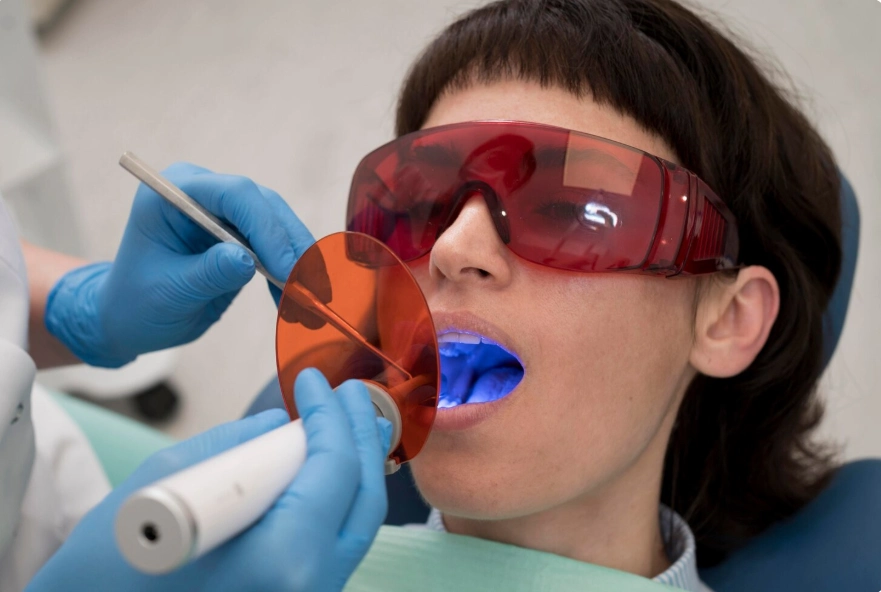
1. Professional Cleanings (Dental Scaling and Polishing)
- How Often? You should get professional cleanings, ideally once every six months.
- Why? Even though one may take excellent care at home, plaque and tartar build-up in the hard-to-reach areas of the mouth are inevitable. Hence, the professional cleanings with specialized instruments scrape off the buildup of tartar and plaque from the areas below the gumline and the spaces between teeth. What follows is the prevention of gum diseases, tooth decay, and other issues of dental health. Professional cleanings:
- Remove tartar and plaque that have been allowed to accumulate and yet cannot be removed through normal brushing and flossing.
- Bringing out surface stains from the teeth, thus, allowing the teeth’s appearance to be enhanced.
- Make all the more effort to prevent gum disease by delaying the reintroduction of harmful bacteria.
- Give back to your mouth the feeling of freshness and the health of the teeth and gums that serve as a base for good oral health throughout your life.
Checkups and X-rays
- How Often? The most beneficial step to take with your dental health is to plan a checkup at the very least two times a year or more if your dentist recommends it.
- Why? The doctor can find the problems in your mouth at the time of their creation through regular dental examinations, for example, cavities, periodontitis, and oral infections. X-rays provide a detailed picture of what is going on under the surface, thus, helping to identify dental problems like cavities between teeth and bone loss caused by gum disease. The advantages of regular checkups and X-rays are:
- Prevention of dental diseases that have reached a severe stage and can require very high treatment by early diagnosis.
- Conditioning of the State of fillings, crowns, and other restorations.
- Discovering decay in the teeth that was concealed, gum inflammation, and the initial phases of oral cancer development.
- Oral health at its best for an extended period of time.
3. Professional Fluoride Treatment
- How Often? The process of fluoride application is normally performed during a dentist visit that takes place twice a year.
- Why? Fluoride is a very potent mineral that the more it strengthens enamel, the it less makes it possible for decay to occur. The fluoride application done by a professional is a major source of prevention for children and individuals who are susceptible to getting cavities, as it gives more protection than a regular toothpaste can. Fluoride treatment helps:
- Build up enamel pieces, which are the first line of defense against decay.
- If the disease process has just started, it helps by reversing enamel demineralization.
- Carry out the reduction of the sensitive areas of the teeth.
- Make the mouth further protected when used in conjunction with daily oral hygiene, especially for people who are prone to developing cavities.
4. Gum Disease Treatment (Scaling and Root Planing)
- How Often? After the periodontal disease diagnosis, the dentist could advise the patient to have the treatment done more frequently for scaling and root planing.
- Why? Regrettably, gum disease is a condition that can keep on getting worse, and it may eventually lead to the loss of the affected tooth(s) if not treated. The two surgeries, Scaling and Root Planing, are very effective in the removal of plaque and tartar from deep under the gumline, which is the reason for the healing of the gums and reattachment to the teeth. Periodontal disease treatments:
- Decrease the likelihood of oral challenges from the periodontal disease limiting phase.
- Help give the patient the possibility of attaining their desired gum health and keeping at bay the risk of losing teeth.
- Assist with reducing the sources of both inflammation and infection occurring in the pockets under the gumline.
- Contribute towards the general oral health of the patients’ teeth and gums.
How Dental Hygiene Affects Overall Health

The association between oral health and overall health is very much there. Bad dental hygiene has been linked with various severe health conditions such as heart disease, diabetes, and stroke. This link is still present, notwithstanding the fact that the mouth is a kind of receptor to the rest of the body. Oral bacteria can hit your bloodstream, an inflammation and infection-causing area, which might be quite far from your mouth.
Some of the links between dental hygiene and health include:
- Heart Health: Gum disease may raise the risk of different cardiovascular problems such as heart disease and stroke.
- Diabetes: Gum disease makes the management of blood sugar levels in people with diabetes more difficult.
- Respiratory Health: Oral bacteria may find their way into the lungs through inhalation, which causes infections and also worsens diseases like pneumonia.
In effect, one who practices excellent oral hygiene is able to lessen the risk of such adverse conditions and, at the same time, improve their general health.
Dental Hygiene for Kids
When kids are still babies and children, parents should instill the habit of and provide them with the right tools for dental hygiene. They are vulnerable to dental caries and gingivitis, so early education and training in the use of the correct method should be inculcated in them.
How to keep young children’s dental hygiene tips:

- Early start: Brushing with a soft-bristle toothbrush and fluoride toothpaste may be initiated when the first tooth appears in your child’s mouth.
- Get your kid to brush daily: Get your kids to brush twice a day for at least 2 minutes; the habit is rooted.
- Flossing: Flossing should be implemented when the teeth of your kids touch, as the floss can grab leftover food particles in between the teeth.
- Routine Dental Visits: In other words, they should consider going to the dentist as regular checkups and cleanings are extremely important, commencing from the time of their first birthday.
Is There a Connection Between Dental Hygiene and Overall Health?
Yes, and the association is very strong. Not taking care of oral hygiene can end up with systemic inflammation thus chronic diseases. Mouth bacteria can get into your blood and cause infections in other organs.
Dental Hygiene and Heart Health
Outstanding bad oral care over the years is directly linked to heart disease. Just take a situation where gum disease, being left for a long time without treatment, issue such an issue of inflammation that leads to the development of plaque in arteries, and hence the risk of heart attack and strokes is increased considerably. So, good oral health conditions will contribute significantly to lowering the risk of heart-related problems.
Dental Hygiene and Dementia
One of the factors considered to be connected with cognitive disorders, together with oral health problems, was research, and this includes dementia and Alzheimer’s disease. Inflammation in the brain is contributed to by bacteria from the gums lodging there, setting up for cognitive impairment to follow. Practicing good oral habits is one way of lessening the chances of dementia and also of prolonging the memory and the mental faculties.
How Is Dental Hygiene Maintained During Pregnancy?

The hormonal changes during pregnancy can make the gums more sensitive and require attention, as this will lessen the risk of pregnancy gingivitis. Caring for one’s oral and general health during pregnancy is crucial to both the mom and the baby. Hence, a pregnant woman is also required to have a dental visit for her regular checkup and cleaning.
Good dental hygiene is a loving more than just a shiny white smile—it is essential for one’s wellness. Apart from daily brushing, flossing, rinsing, and professional dental cleanings, along with the routine dental visit, a person is able to prevent the occurrence of diseases and maintain good health as well as a radiant, beautiful smile throughout their lives.
Safe Dental Hygiene Procedures at Lema Dental Clinic

Oral health and safety come first at Lema Dental Clinic. There is no doubt that the team of dental professionals is thoroughly committed to giving you wonderful and top-quality care in elegant, hygienic, and safe surroundings. Any time a patient comes for their regular cleaning or other more specialized procedures, the clinic’s staff is always very careful and precise in their infection control measures for the patients’ health and well-being.
Part of this is the use of cutting-edge tools and techniques, such as routine dental cleaning, examination, and treatment that remove plaque, tartar, and bacteria without compromising the environment with contaminants. Their sterilization procedures are also at the highest level of efficiency, which is to prevent the spread of infections between patients and to maintain a safe atmosphere in the clinic for every patient.
Furthermore, Lema Dental Clinic is very meticulous about the level of care they provide to the patients and makes sure that the patients are comfortable and knowledgeable in every stage of the treatment plan. They are ready to serve you with outstanding results, whether you require routine cleaning or more complicated dental care. They will deliver this while keeping your safety and comfort at the forefront of their minds.
References:
- American Dental Association. (2021). Brushing Your Teeth. Retrieved from www.ada.org
- Centers for Disease Control and Prevention. (2020). Oral Health. Retrieved from www.cdc.gov
- National Institute of Dental and Craniofacial Research. (2019). Oral Health. Retrieved from www.nidcr.nih.gov
- Mayo Clinic. (2020). Flossing. Retrieved from www.mayoclinic.org
- American Academy of Periodontology. (2020). Gum Disease. Retrieved from www.perio.org
- World Health Organization. (2020). Diet and Oral Health. Retrieved from www.who.int
Frequently Asked Questions (FAQs) About Dental Hygiene
In most cases, a dentist should do dental hygiene at least two times a day – once in the morning and once before going to bed. Flossing should be done only once a day, besides brushing. Mouthwash should be used regularly to keep the oral cavity and gums healthy.
The main dental hygiene issue that good dental hygiene is supposed to solve is the production of “caries”. Brushing and flossing should be the two primary activities by which people get rid of plaque – a sticky substance on which bacteria live. If plaque is not removed, it will cause tooth decay and, consequently, cavities.
Cavity is only one of the many problems caused by poor dental hygiene. The connection has been established between poor oral hygiene and a number of serious diseases such as heart disease, diabetes, and stroke. The bacteria that are present in the mouth can move to your blood and cause inflammation of other parts of your body.
Good oral hygiene at home is very important; however, professional cleanings are still necessary. Moreover, they can easily remove tartar that has accumulated over time due for which brushing or flossing is not enough, thus helping to prevent gum disease and cavities, without which you may not be aware of.
A dental hygiene appointment with a dentist should be made every 6 months to be scheduled for the dental hygiene checkup, along with cleaning. Without regular visits, the dentist is not able to recognize the early stages of dental problems like cavities or gum disease, and thus is not able to provide the treatment to stop the progression.

