


Humans generally have 12 molar teeth, which include a total of 4 wisdom teeth the third set of molars. They are vital in the grinding of the food we eat and the added assistance with the digestive process, even though it is hard to imagine extensive further insight into the unknown nature these teeth present. At times, people underestimate the value of dental treatment for molars, yet they are equally important in food chewing and digestion. In this article, we will take a closer look at the complex structure of these teeth along with their number and significance for dental health.
Molar Teeth Anatomy and Functions
The molars, which are primarily large and flat teeth located toward the back of the mouth, serve mainly in chewing food apart from being important for dental hygiene. Unlike other kinds of teeth, they have broad surfaces and several cusps that provide the necessary effectiveness of complex foods. Another important function of these wide-tapering sections is provided in the way they chew food and make it finer.
Knowing about these very special functions, and being mindful of their role when cleaning our teeth can potentially change people’s attitudes toward oral hygiene and subsequent decisions concerning their mouth health. By engaging in proper brushing and flossing techniques or incorporating regular professional check-ups into your schedule, you can keep your molars healthy, the most vital parts of your body. With this in mind, let us take a look at the different types of molars encountered in the human dental arch and their specific functions.
The Three Types of Molars
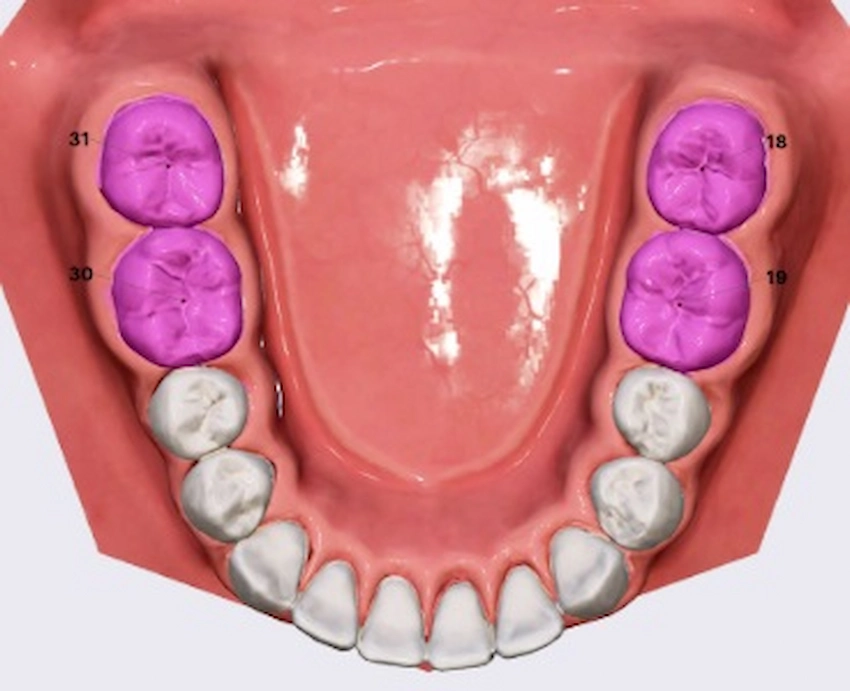
In totality, human beings have three types of molar teeth, which are different from one another in shape, size, and quantity. All these variations are very useful for a person in proper chewing of food. The following are types of molars within our dentition:
- First Molars: Erupted around six years of age, located posteriorly to the premolars and are the largest and strongest oral. They have the unique ability to be used for the proper grinding of food particles and thus making the food easier to process. These teeth make it easier for a person’s digestion by breaking down food into small pieces setting them on an excellent path for particular enzymes in their mouth as well as intestines to work on.
- Second Molars (Twelve Year Molars): At an age of around twelve years, these molars emerge at the back of the other molars denoting a second phase in dental development through adolescence into young adulthood. While these molars may be slightly smaller than the earlier molars, they also serve similarly to properties.
- The Third Molars, often referred to as wisdom teeth, tend to erupt between the ages of 17 and 25, during the late teenage to early adulthood phase. Complications arise when they lack sufficient space in the jaw, thus making it necessary for a large portion of the population to undergo an extraction to remedy the issue.
Accompanied together, the various molars perform the amazing feat of grinding and smashing food into little pieces, able to be conveniently mixed with saliva for an efficient and effective act of eating. The molars do a great job of making it easier for humans to digest their food, and they are thus essential components of the dentition’s lineup that is worth mentioning.
Number of Molars in Adult Dentition
An adult’s molar teeth can be said to be twelve in total, in accordance with common definitions and legal standards and this condition provides adults with sharp teeth that have the function of chewing and crushing food and other materials formed in an almost circular way in the back of the mouth.This means they are used for chewing the solid food and also grinding it in the process of mastication into tiny particles that can easily pass through the inside parts of the body.Douglas and his group popularly classified these teeth into three classes in accordance with their chronology of development these categories are known as the first molars, second molars, and third molars or popularly referred to as wisdom teeth as outlined below for a better understanding of the number of molars
The molars are more commonly referred to as the grinding teeth due to their position since they are usually at the back of the mouth. The molar teeth can appear in pairs in the sets of upper and lower jaws. A most common case in adults is having six molars on the upper jaw that is three molars on each side and six molars that are also grouped in three on the lower jaw. However, one of the molars is commonly referred to as the wisdom tooth, its growth and development vary from one person to another and in some people, there is no such specific tooth and even if there is such a tooth they experience problems of impaction or crowding with the other teeth.
Role of Molars in Chewing and Grinding Food
The molars are an essential feature of the adult dentition responsible for the complex processes of chewing and grinding food. These teeth have wide and flat surfaces with several cusps that allow them to grind the food easily and finely to aid in the process of digestion and absorption. As the only teeth to chew food well with such features and roles, molars are highly valuable and appreciated. The molars can be said to have the following specific functions
Chewing: Chewing is an important step in the digestive process. When food is to be swallowed by our body, the molars enable it to be ground and formed into even smaller particles. The modified pieces allow salivary glands to produce saliva with enzymes that start digestion. If molars are compromised, it can be hard to chew and swallow properly thus inadequate nutrition can be achieved in the food.
Grinding: The molars have a complex and functional role in grinding food despite the lower part of the teeth performing a similar act of chewing food. These teeth can apply more pressure than any other teeth because of their broadness, size, position, and their muscular roots. In an efficient grinding process, food can be further broken down evenly into tiny particles for further absorption to the body. Hence, eating other foods is made easier by tinier food particles.
Development and Eruption of Molars
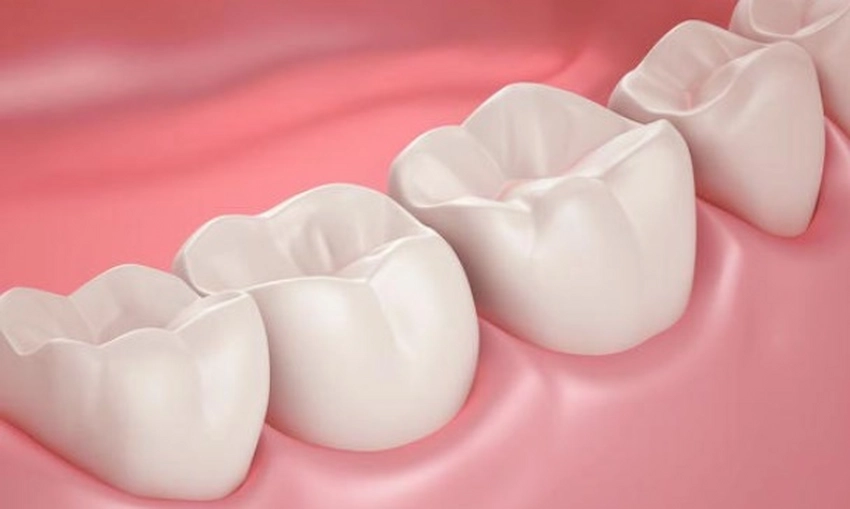
As you look into the mystery of how your body grows, especially teeth, the phenomenon of molar development and eruption is captivating from childhood till adulthood. Molars are large, boxy teeth at the back of the mouth that help to grind food to bits so that it can be readily digested by the stomach.
Usually between the ages of 13 to 19 months, a set of baby teeth called molars, which don’t last long, but permanently replace them when they fall, have started to break through the gums. This type of teeth is also referred to as primary molars, primary dentition or baby teeth. Almost every person can remember the time is neither too far nor too long that these baby teeth have been there. The very first baby molars to appear are also the baby teeth.
The encasement of the permanent molars usually occurs when a child is around six years old. This first set of permanent molars is often referred to as the six-year molars. By growing, it means that a child remains young and continues to undergo changes in his/her anatomical structure.
These changes which are basically gradual, together with the enlargement of the through mouth leading to more molars coming up such as the second molars at the approximate age of 12 in which most of the children no longer wish to go to the dentist, take the pain so that they restore the beauty of their teeth. But that is not anywhere close to crying, it depends on the level of discomfort.
Third molars, also referred to as wisdom teeth, come in late adolescence or early adulthood. It is possible for some people to actually have these teeth but others do not. Actually, it is common for the teeth to be impacted and in this category, the wisdom teeth will have to be extracted in order to prevent damaging the structure of the existing teeth and dental arch and to rule out acute and chronic infections of the alveolar bone and jaw.
For the sake of providing support for the child’s teeth and mouth, an understanding of the time table for tooth eruption can prove absolutely invaluable to parents and caregivers. Knowing exactly when each set of teeth is likely to erupt can ensure good dental hygiene.
Frequently Asked Questions About Molars
Adults typically have 12 molars, with three on each side of the upper and lower jaws. These include the first, second, and third molars (also known as wisdom teeth), which are responsible for grinding and chewing food.
Molars are crucial for breaking down food into smaller particles to aid in digestion. Their flat surfaces allow for effective grinding and crushing of food, which is essential for the digestive process.
Molars generally start to erupt in childhood. The first molars appear around age 6, followed by the second molars at age 12, and the third molars (wisdom teeth) typically emerge between ages 17 and 25.
Molars require special care due to their position at the back of the mouth, where they are more prone to plaque buildup. Regular brushing, flossing, and professional cleanings help maintain the health of your molars.
If molars are lost, it can affect your ability to chew effectively, leading to difficulty eating certain foods. Additionally, tooth loss can lead to alignment issues or the shifting of surrounding teeth, which may require restorative treatments.
In many cases, decayed molars can be saved with procedures like fillings, root canals, or crowns. Early intervention is key to preventing the need for extraction.
Yes, wisdom teeth are technically molars, specifically the third set of molars. They are located at the very back of the mouth and are the last to erupt, often causing issues like impaction or crowding.
If molars are lost or extracted, they can be replaced with dental implants, bridges, or partial dentures to restore chewing function and maintain dental alignment.
Molars are more prone to plaque buildup due to their location and structure. It’s important to use proper brushing and flossing techniques, especially around the back teeth, to prevent cavities and gum disease.
Wisdom teeth may need to be removed if they are impacted, misaligned, or causing pain and infection. Removing them can prevent further dental issues, such as crowding or damage to neighboring teeth.

