Although teeth may look solid and virtually indestructible, they are, in fact, in the process of going through microscopic changes all the time. One of the earliest and most silent harmful processes to your oral health is referred to as the demineralization of the teeth.
While it may seem insignificant, this process can eventually lead to such serious problems as cavities, hypersensitivity, and even the loss of teeth, if not treated in time. In this blog, we’ll give you a step-by-step guide about the meaning of demineralization of the teeth, the reasons behind it, and ways to prevent or reverse it when it has not yet become a severe issue.
What Is Demineralization of the Teeth?
Demineralization of the teeth is the process of the gradual loss of essential minerals – such as calcium and phosphate from the tooth enamel. The enamel is the outermost, protective layer of the tooth and it serves as a defense shield that enables the minors in it to create resistance to tooth decay.
When people eat food that has a lot of sugar or is acidic, the mouth’s pH becomes less. Less acidic conditions are not favorable; therefore, the enamel is affected by the change and the process of tooth demineralization starts which makes the teeth susceptible to bacteria and plague. Once the protective enamel layer is impaired, cavities can be formed relatively very fast. As a result, teeth demineralization becomes the one and foremost stage that leads to tooth decay.
Signs and Symptoms of Demineralization of the Teeth
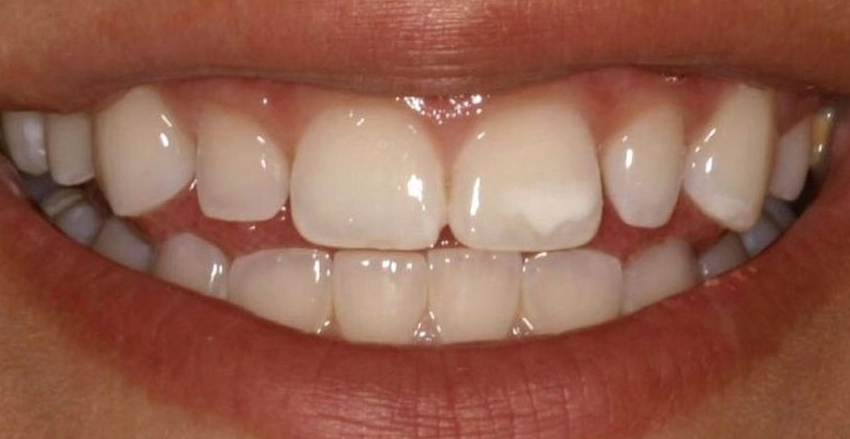
So, how do you know if you’re dealing with demineralization of the teeth? Here are some telltale signs:
- White Spots: These initial signs of enamel damage that appear as white or chalky areas on the teeth’s surface are usually the first visible warning.
- Tooth Sensitivity: When people are experiencing the effects of demineralization in teeth, they may start noticing that hot, cold, or sweet foods and drinks cause discomfort.
- Rough Texture: Early-stage demineralization of the teeth can create a sandpaper-like feeling on the surface.
- Increased Cavity Risk: Without enough minerals, enamel becomes porous and decay sets in faster.
If you are seeing or feeling any of these symptoms, chances are demineralization of the teeth has already begun—and it’s time to take action. Do not wait for more severe problems and visit your dentist at the earliest.
How to Reverse or Prevent Demineralization of the Teeth?
What if you were told that demineralization, a process that destroys the outer layer of your tooth called enamel, is reversible? In the initial stages of this process, it is possible to reverse the damage caused by demineralization provided that you identify it early and act immediately.
Prevention is and will always be better than cure, and addressing demineralization of the teeth early enough increases the potential for rehabilitation of lost mineral content thus ensuring the development of healthy teeth.
Fluoride Treatments
Fluoride is a mineral that is known for its ability to remineralize decaying enamel, repair the damage caused by early demineralization of teeth, and strengthen the teeth against new attacks from acid. Many toothpastes and mouth rinses specifically designed to reverse demineralization contain fluoride, thus increasing the availability of minerals in the enamel and assisting in the reconstruction of damaged areas.
Follow the directions carefully to ensure that you are using the right amount of fluoride once or twice daily. In addition, make sure you use fluoride containing toothpaste and rinses that have been approved by the American Dental Association and contain adequate amounts of fluoride.
Remineralizing Products
You may also speak to your dentist about alternative remineralizing products that are rich in carbide minerals. Products like nano-hydroxyapatite and calcium phosphate are scientifically formulated to repair early damage to your enamel.
These products come in gels, creams, and varnishes and can be applied professionally during your dental appointments. Alternatively, you may also buy over-the-counter products and use them at home to boost your oral health. Before using these products, consult your oral health care providers to find out what products would work best for your needs.
Diet Adjustments
Have a healthy diet. Avoid foods and drinks, too acids and sugar, that could damage your teeth. It is because sugar is known for producing acids that demineralize your teeth. Besides, it requires too much glucose, not the sugar in grains, fruits, and vegetables, which can cause teeth to lose some of the essential minerals and which will make them weaker.
Since the teeth are now weak to respond to wear and tear, they become prone to deteriorating and with proper care and nutrients, they will be able to cope with the natural effects of aging.
Causes of Demineralization of the Teeth
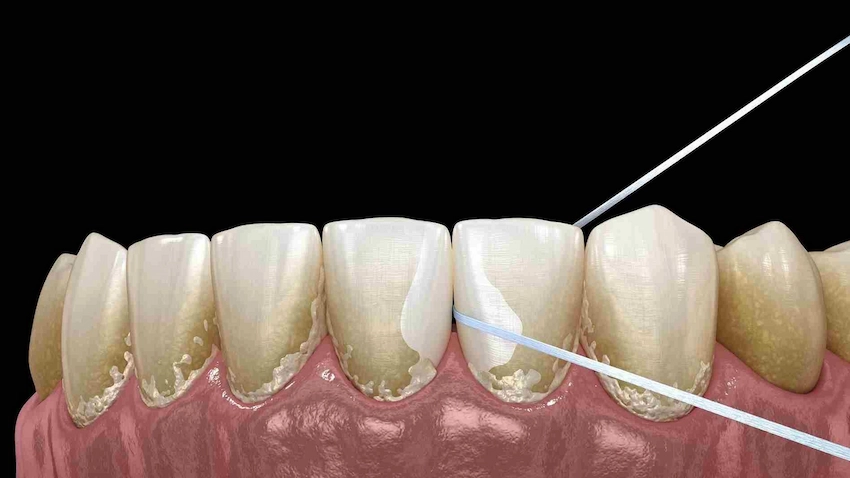
Demineralization of teeth is common among people but not understood by many. The process can be damaging to the teeth and generally lead to tooth decay and other problems. In summary, these processes can lead to bad oral hygiene, as well as diet, dry mouth, and use of specific dental appliances among other factors that affect the health of the enamel on your teeth.
To effectively combat tooth demineralization, difficult because some of the factors are easy to correct and turn around, it is constantly indispensable to understand what causes demineralization of the teeth. This information is important for your oral health and it is available for the most common causes of tooth demineralization:
Poor Oral Hygiene: A Formula for Decay
The best way to gently reduce the effects of decay on the teeth is regular brushing and flossing. A low standard of oral hygiene means you do not properly clean your mouth and teeth and that food particles vomit is left there. Notably, this creates an ideal habitat for bacteria leading to acid production which eats away at the structure of the teeth thus weakening them.
Poor oral hygiene and restrictions are not exciting; thus, it is imperative to be conscientious and consistent with the application of the right oral hygiene measures. To properly brush your teeth on a daily basis at least once and to floss through them on a daily basis and make sure the whole area of the teeth is clean.
Acidic and Sugary Diets: The Hidden Dangers
Some people have a habit of indulging in restrictive, acid, and sugary diets; others cannot help but have these items as part of what they eat and forget that such diets can be harmful to their oral state. These foods are popular for, indeed, incorporating a lot of sugar, thus creating a conducive environment for bacteria in the mouth to form acids that harm the health of the teeth.
Regular exposure to these people may lead to the gradual erosion of enamel tooth decay. Keep away from the consumption of these foods or beverages or at least be very cautious in their consumption. It is unbearable for teeth to be subjected to erosion every day.
Dry Mouth: Why Hydration Matters?
Saliva has been shown to reduce the effects of acid attacks on teeth. It has been shown that remineralization is facilitated by calcium, phosphates, and other minerals that are contained in saliva. It prevents the process of demineralization of teeth by keeping the oral cavity moist and acting as a natural cleanser thus enhancing the balance of bacteria in the mouth.
Some situations, such as excessive consumption of alcohol, and certain medical therapies may lead to saliva reduction. Saliva has an essential role for supplying minerals for the restoration of the condition of affected teeth; without it, there is much danger of acids harming the enamel and the opportunistic bam basting on the teeth. Drinking water on a regular basis to keep the body hydrated is an important strategy for a counter to dry mouth.
FAQ: Frequently Asked Questions About Demineralization of the Teeth
Dematerialisation of the teeth is a process, which, if recognized at an early stage, can be overturned through various methods including good oral hygiene, the use of fluoride, and application of remineralisation treatments.
Your teeth can be demineralized as a result of your daily routine. If the problem is not treated in time then the decay of the teeth will start in just a few weeks or months
Yes, in most cases. The white or chalky spots are essentially the first visible symptoms of tooth demineralization, particularly near the gum line and around orthodontic appliances.
Sugary snacks, soda, citrus fruits, and vinegar-based dressings are the main enemies in creating the demineralization of the teeth.
Without a doubt. Electric toothbrushes can remove more plaque and keep the enamel of the teeth from demineralizing, thus acid is not produced in the oral cavity.