Tooth mineralization is one of the most important processes of tooth development and maintenance. It’s the process that makes our teeth resilient, enduring and capable of resisting cavities. The mineralization of teeth is a process that when not done properly, makes the teeth brittle, less resistant to cavities, and more prone to decay. In this article, we shall have an in-depth look at what tooth mineralization is, the process through which it occurs, and other ways that you can use to care for your teeth to ensure you have dental health all through your life.
What is Tooth Mineralization?
Tooth mineralization refers to the biological process whereby minerals are deposited into their structural framework to make them stronger starting from their outer sections and beyond such as the enamel and the dentin, respectively. This is a lifelong process that begins with the formation of primary dentition (baby teeth) already in utero and continues until the appearance of permanent teeth as they grow and grow.
Amongst these minerals-from the external to the internal, calcium, phosphorus, and fluoride are the main ones known to help enhance tooth formation and also give it strength, fluoride assists in making the teeth stronger by helping prevent tooth decay. These minerals not only deposit within the enamel, which is the outermost layer of the tooth but also within the dentin, which is the underlying layer of enamel.
Proper teeth mineralization has been shown to be a major contributor when it comes to one’s teeth becoming strong enough to withhold the pressure from chewing food whilst simultaneously repelling the action of bad bacteria and preventing decays caused by acids from foods. Generally, teeth mineralization consistently tends to have a healthy, beautiful white smile and are far stronger than teeth that are not properly mineralized.
Great care should thus be taken to ensure that mineralization of teeth is done properly so as to prevent complex dental issues in future. Finally, most importantly, to maintain and improve oral health is to guarantee those minerals are sufficiently and regularly given to the body.
Multi-step Process of Tooth Mineralization
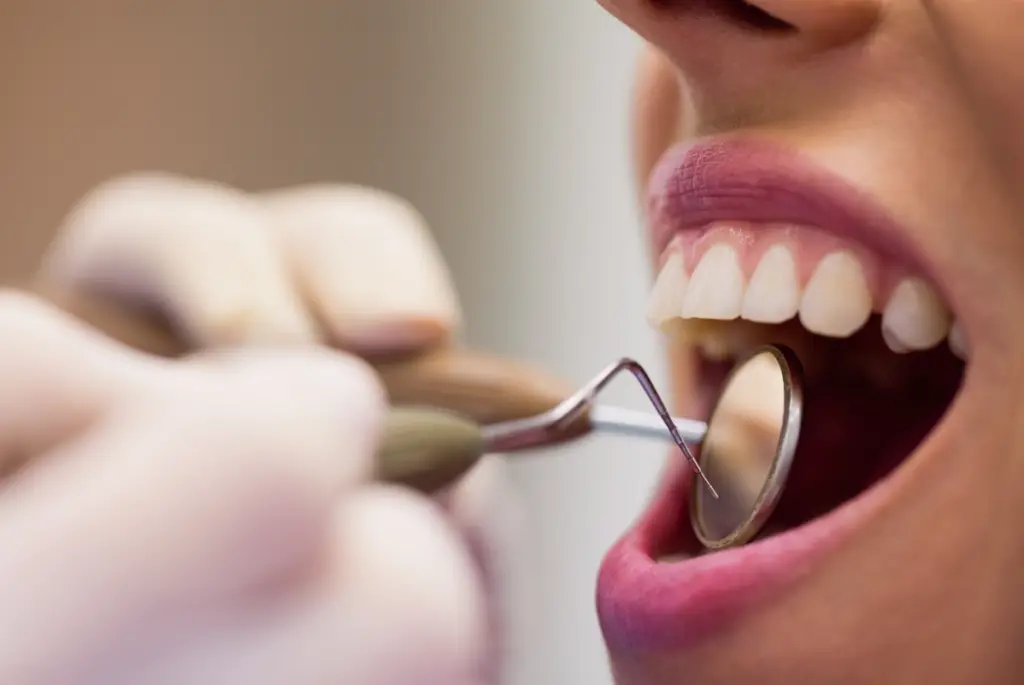
Complicated spontaneous and sequential cell interactions featuring biomineralization are also involved in tooth development. During the enamel organ formation, proteins in the developing tooth gradually interact with minerals from the bloodstream, and thus the enamel is formed. The process of tooth mineralization is not completed till the tooth comes out from the gum.
When food particles mix with saliva and plaque or bacteria in the mouth during chewing, demineralization takes place, resulting in the formation of white spot lesions on the teeth. The situation of unwashable food and bacteria in the teeth will eventually facilitate tooth decay which in extreme cases may lead to eating pain or even cause gastrointestinal diseases.
The degradation of dentin, which is the major component of the tooth substance, is a process contributed to by. the infection and the erosion that occurs when the drill reaches deep into the tooth. This determines the time span of mineralization in the tooth as it contributes to the strength of the tooth.
What Is the Importance of Tooth Mineralization?
There are numerous benefits to maintaining good teeth mineralization, the primary one being prevention of tooth decay. Through the process of mineralization, the teeth become robust to the point that they are not subject to demineralization due to the acids from oral bacteria, which might otherwise be the cause of cavities.
Moreover, the tooth mineralization results in their being both less fragile and hard enough that they can hardly get damaged. The enamel, as the first line of defense, also covers the underlying tissues and thus protects them from mechanical stress and external attacks such as cracks, chips, or fractures. The well-mineralized teeth are in perfect harmony with the oral health of one’s body and also the proper change and the function of the teeth as they chew.
Tooth mineralization also is involved in the condition known as sensitive teeth. Absence or wearing of the enamel during an insufficient level of mineralization can lead to the sensitivity of the dental tubules to stimuli such as hot, cold, or sweet foods. The right concentration of minerals in the teeth and the prevention of the loss of these minerals alleviate this discomfort and keep the teeth from being too sensitive.
How to Support and Enhance Tooth Mineralization

Tooth mineralization can be a natural process indeed, but it can be further helped and fortified by eating the right food, having a good oral health regime as well as adopting the right lifestyle. Together with calcium, phosphorus is essential for tooth mineralization. Among the greatest sources of phosphorus are such foods as meat, eggs, and whole grains. A beneficial process of tooth mineralization can be maintained if a balanced intake of these two minerals is ensured.
For the development of teeth, fluoride is an important substance, especially with regard to enamel re-mineralization. Fluorine, the mineral, is responsible for natural teeth hardening and can also be an effective means of eroded enamel recovery at the initial stage.
With drinking water, toothpaste, or mouthwashes as the possible sources, you can receive a supply of fluoride. If changes in your eating habits fail to meet the calcium intake or the mineral supply of your body requires the aid of fluoride is not satisfied by the aforementioned two factors, taking dietary supplements can be a plausible solution.
However, always consult a healthcare professional before using the supplements, as the excessive minerals could lead to the occurrence of severe harm. So, supplementation is likely to be the right path in the case where no other avenues to cover insufficient calcium intake are available.
Developing Proper Oral Hygiene
Proper oral hygiene is not only a very good diet for tooth mineralization, but the same importance must also be given to oral hygiene. By brushing the teeth twice a day with fluoride toothpaste as well as flossing daily, the plaque can be easily removed, and the bacteria that come from it will not be able to interfere with the teeth mineralization process.
The regular use of fluoride toothpaste can also be as a catalyst for the process of remineralization since it will give your teeth extra fluoride to make them harder and more protected.In addition to this, besides regular brushing, a person has to keep up with the routine of dental visits where the condition of the teeth is controlled, and the cleaning procedure is also regularly carried out.
FAQs About Tooth Mineralization
Unfortunately, tooth enamel cannot regenerate naturally. However, remineralization can occur with the help of minerals like calcium, phosphate, and fluoride. Proper oral care can support this process and help protect the enamel from further damage.
To strengthen enamel, it’s important to ensure you’re getting enough calcium and fluoride in your diet. Practicing good oral hygiene, including brushing with fluoride toothpaste and avoiding acidic foods and drinks, will also help protect and reinforce the enamel
If tooth mineralization is insufficient, teeth can become weak, prone to decay, and more sensitive to temperature changes or sweet foods. Over time, enamel loss can lead to cavities, increased risk of gum disease, and tooth fractures.
Yes, fluoride plays a significant role in remineralizing teeth by helping calcium and phosphate be absorbed into the enamel. It enhances the tooth’s resistance to acid and decay, making it an essential part of any oral care routine.
Supporting mineralization through a balanced diet rich in calcium, phosphorus, and fluoride, as well as maintaining good oral hygiene, can help prevent tooth decay. Regular dental visits and avoiding excessive acidic foods also play a role in maintaining enamel strength.